
Authorities say immediate impact is limited, but warn risks could rise if conflict drags on
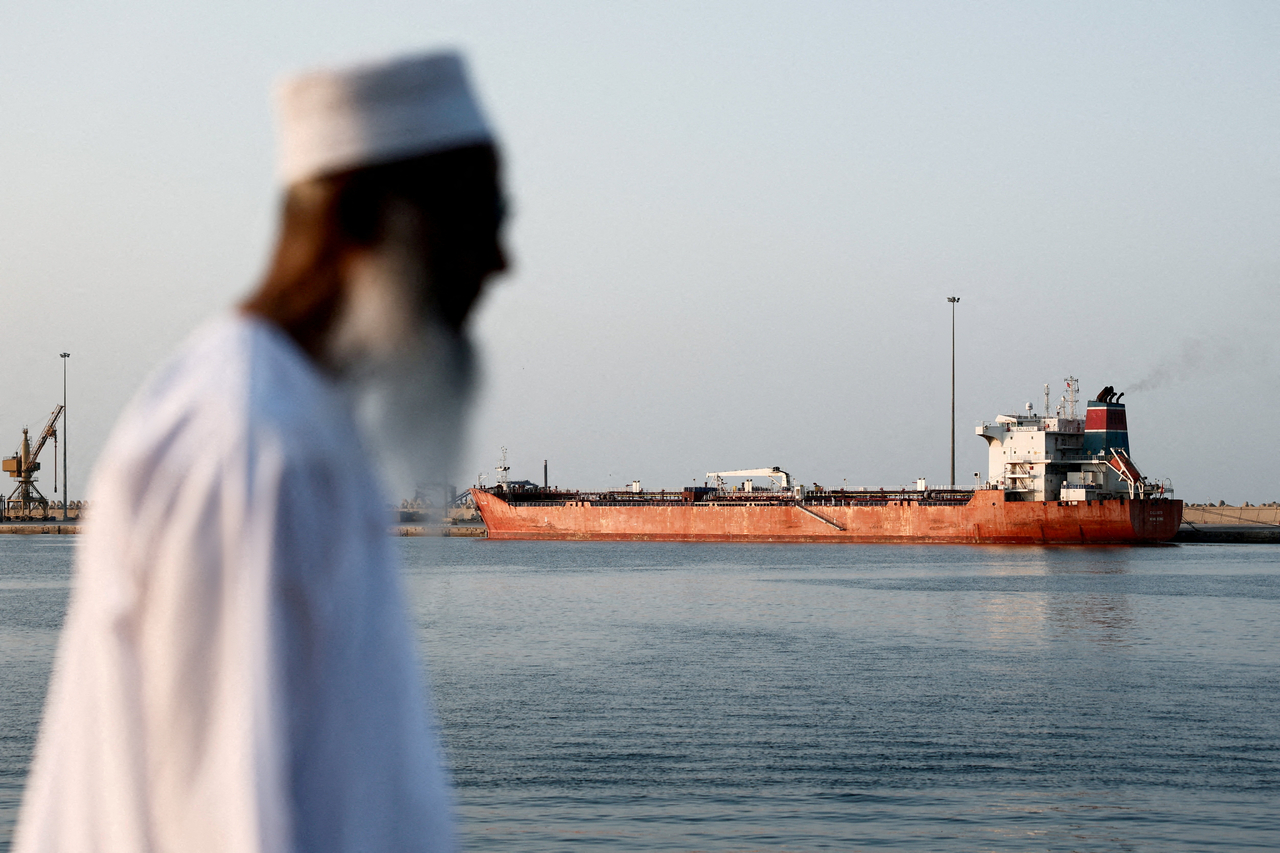
South Korean authorities said the war in the Middle East has so far had a limited impact on the country’s financial industry, while warning that a prolonged crisis could "weigh significantly" on both the real economy and financial markets.
The Financial Services Commission held a meeting Thursday with associations and institutions across major financial sectors to assess the fallout from the latest Middle East tensions, as higher oil prices, rising foreign-exchange volatility and climbing bond yields add to market strain.
Authorities said domestic financial institutions remain relatively sound and foreign currency liquidity conditions are stable, making the risk of broader systemic stress low for now.
Banks’ average common equity tier 1 ratio, a key capital buffer, stands at about 13 percent, well above the 8 percent regulatory minimum. Insurers’ K-ICS ratio, a gauge of financial soundness, was above 210 percent as of the end of the third quarter last year. Credit finance companies and savings banks were also seen as facing no meaningful capital adequacy concerns.
Exposure to the Middle East was likewise assessed as limited. The country’s six major banks hold about 4.3 trillion won ($2.87 billion) of exposure to the region, equal to just 0.3 percent of total risk-weighted assets. Of that, exposure to Iran and Israel amounts to only about 1 billion won.
Insurers’ exposure was also modest. Life insurers held 5.1 trillion won of Middle East exposure, or 0.6 percent of invested assets, while non-life insurers held 2.4 trillion won, or 0.7 percent.
Still, authorities said a prolonged conflict could have a meaningful impact across the broader economy and financial industry, and pledged to maintain full readiness.
Regulators are stepping up sector-specific risk management in response. Banks will monitor exposure to oil-sensitive industries and track profitability by sector. Insurers will prepare for a range of rate scenarios and tighten duration gap management to curb capital volatility.
Credit finance firms will focus on securing alternative funding through bank loans, asset-backed securities and commercial paper as bond market volatility increases.
Separately, a review of marine insurances tied to Strait of Hormuz risks showed that 32 of 33 canceled war-risk riders have been replaced. Insurers also said they would expedite Middle East-related claims and provide guidance on possible premium increases.
"Authorities will conduct a comprehensive review not only of headline indicators such as capital ratios and delinquency rates, but also of potential risk factors, including the impact of increased capital market inflows on deposits," an FSC official said.
jwc@heraldcorp.com