
Win extends Shinhan's nearly two-decade hold in Incheon after securing another term as Seoul's treasury bank
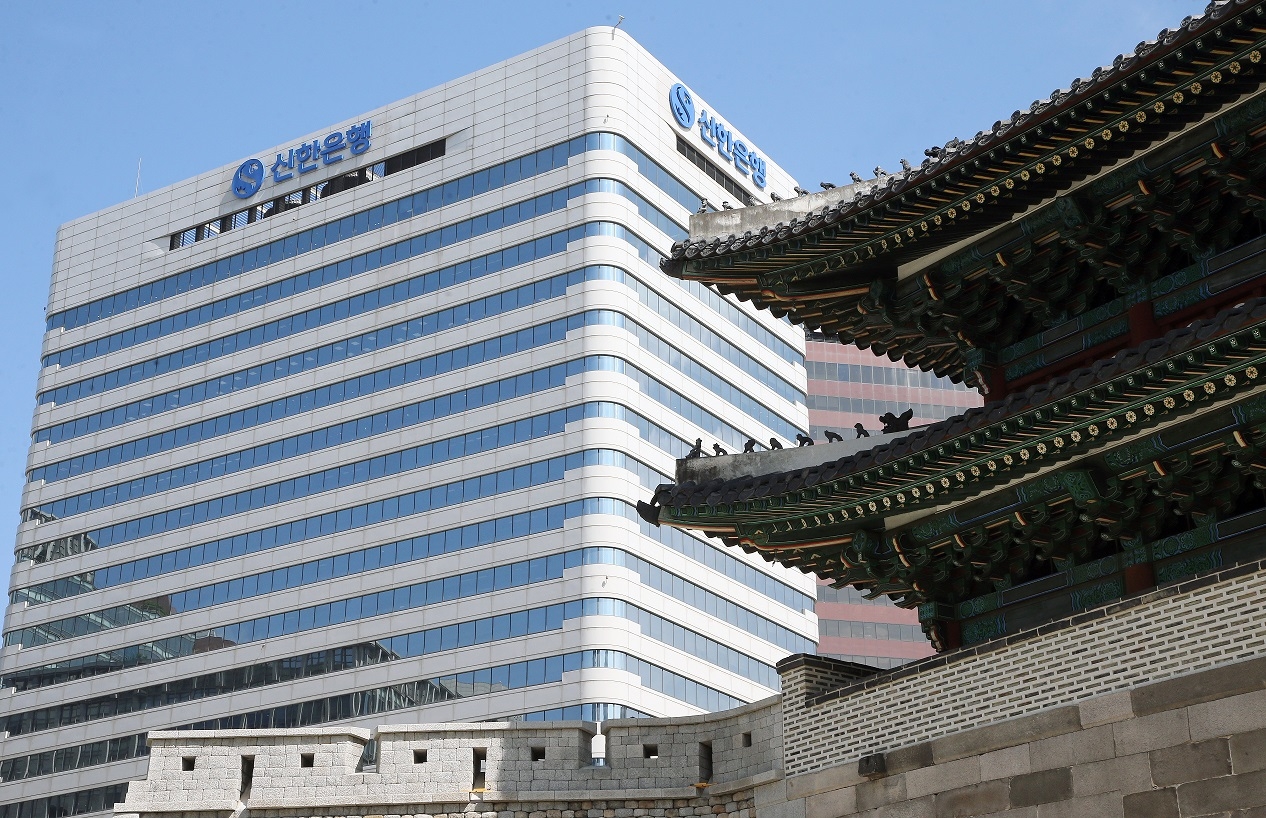
Shinhan Bank has retained its position as Incheon's main treasury bank, fending off Hana Bank for a municipal account handling roughly 15 trillion won ($10.9 billion).
The deal means Shinhan extends its grip on the public finances of two of Korea's biggest metropolitan governments, after securing another term as Seoul's treasury bank earlier this year.
Incheon Metropolitan City selected Shinhan on Thursday as the operator of its No. 1 treasury for another four years from 2027 to 2030. Shinhan has managed the city's main treasury account since 2007.
"Building on our stable track record in treasury management and financial capabilities, we will work to further improve financial convenience for Incheon residents," a Shinhan Bank official said Friday. "We will also continue to contribute to Incheon's economic growth and regional development."
The No. 1 treasury handles Incheon's general account, public enterprise special accounts and funds, worth 14.45 trillion won based on the city's 2026 budget.
NH NongHyup Bank was selected for the No. 2 treasury, which handles other special accounts worth about 2.02 trillion won.
The win follows Shinhan's successful defense of the Seoul city treasury in May. The bank retained management of both Seoul's No. 1 and No. 2 treasuries through 2030.
Competition for Incheon was particularly intense as Hana sought to expand its presence in the city following Hana Financial Group's relocation of its headquarters to Cheongna. Both Shinhan CEO Jung Sang-hyuk and Hana CEO Lee Ho-sung attended the final evaluation, with Lee personally delivering Hana's presentation.
Beyond the bottom line
For all the attention they attract, municipal treasuries can offer surprisingly thin returns for banks. Competition has pushed up interest rates paid on public deposits, while winning banks must also commit sizable sums to local cooperation projects and shoulder the cost of building and maintaining dedicated IT systems.
Under its current 2023-26 contract, Shinhan committed 110.7 billion won in cooperation funds to Incheon. When it first won Seoul's No. 1 treasury in 2018, it offered around 301.5 billion won in contributions and spent about 100 billion won on IT infrastructure. Industry reports said the Seoul business took roughly three years to break even.
The headline size can also overstate the economics. Incheon's 14.45 trillion won refers to annual budget flows, not money continuously held as deposits, meaning the actual interest-earning balance is far smaller.
Still, banks see value in such contracts beyond direct profit and loss. Municipal funds provide a relatively stable deposit base, and managing a major city's finances can create business opportunities with affiliated public institutions, regional companies and public employees. Such a track record can also strengthen a bank's credentials in competing for other public-sector accounts.
Incumbency matters, but is no guarantee
Existing operators can have an advantage because years of running a treasury leave them with established IT infrastructure, familiarity with administrative processes and a record of handling public funds without disruption.
But incumbents can be unseated. In 2018, Shinhan ended Woori Bank's more than century-long hold over Seoul's main treasury, winning a contest reportedly decided by just one point out of 1,200. Shinhan combined an aggressive cooperation package with new treasury systems and experience managing other municipal accounts.
The same year, Hana took Incheon Seo-gu's district treasury from Shinhan, which had until then operated all eight district treasuries in the city.
Incheon's latest evaluation covered six categories, including financial soundness, deposit and lending rates, convenience for residents, treasury management capabilities and contributions to the local community.
Hana sought to challenge Shinhan's long operating record this time by emphasizing its own treasury management capabilities as well as its growing presence in Incheon following the Cheongna relocation. Yet, reports suggested that Shinhan's edge in operational stability and treasury management was enough to help it retain the account.
"Incumbents have an advantage in terms of stability, but it is not insurmountable," the official said. "Major banks have the infrastructure and know-how to run municipal treasuries, so ultimately the competition also comes down to what additional value they can offer to the region."
jwc@heraldcorp.com