
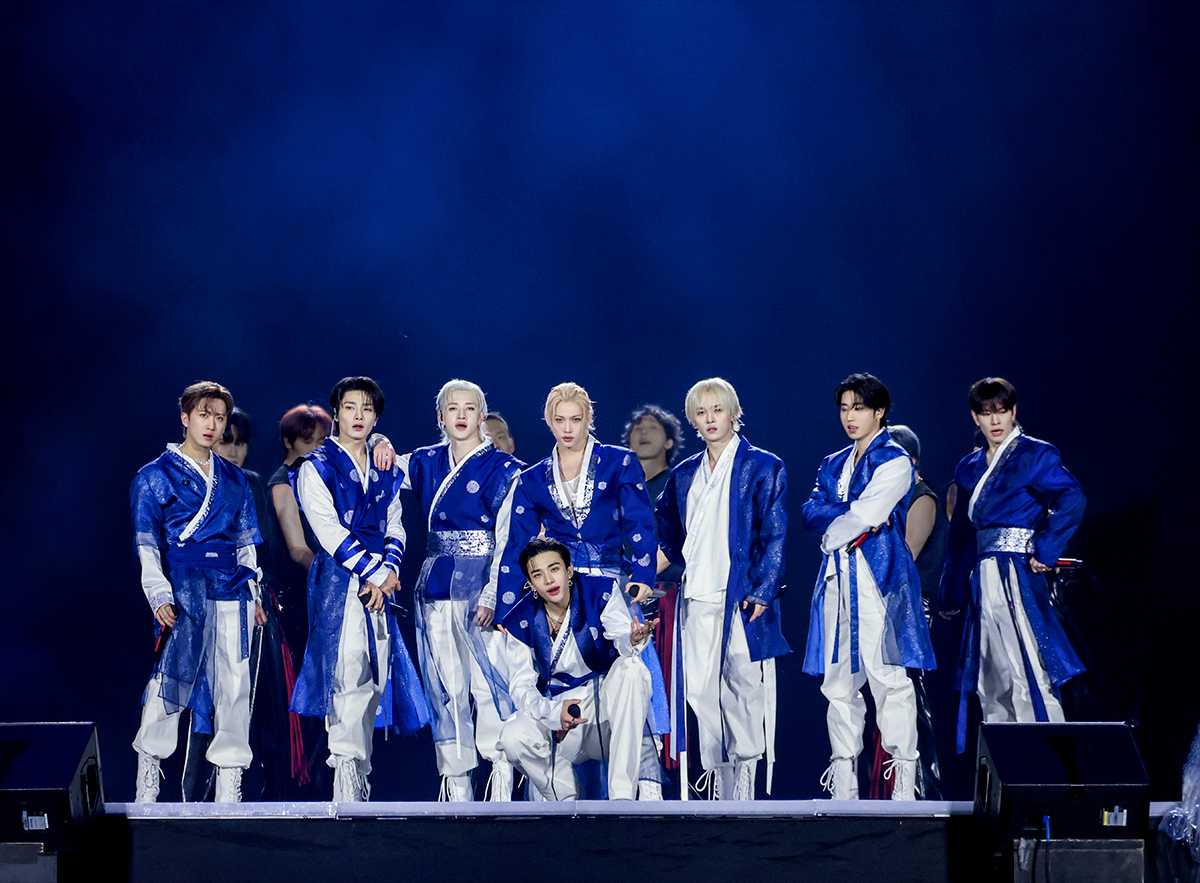
Police say he used the illicit proceeds to buy an apartment and two commercial properties
A man in his 30s has been arrested for allegedly reselling nearly 9,000 tickets to K-pop concerts, sports games and other high-demand events at inflated prices, earning about 2.4 billion won ($1.74 million) over more than seven years, police said Thursday.
The Gyeonggi Bukbu Provincial Police Agency said it referred the man to prosecutors on charges including obstruction of business and violations of the Public Performance Act. Prosecutors have since indicted him.
According to police officials, the man used automated macro programs and accounts belonging to relatives to purchase 8,967 tickets between September 2018 and early April this year. He would then resell the tickets at steep markups.
In one case, he allegedly sold a ticket to BTS’ 2019 concert at Jamsil Sports Complex in southern Seoul for 3 million won after buying it for 110,000 won — more than 27 times the original price.
He was also accused of reselling a Stray Kids’ concert ticket in 2025 for 2 million won after paying 165,000 won, and a 2025 Seventeen fan meeting ticket he bought for 110,000 won was allegedly resold for 1.8 million won.
Other tickets included a soccer match ticket between Team K League and Tottenham Hotspur in 2024, which was allegedly resold for 1.65 million won after being purchased for 400,000 won, and a ticket to Bruno Mars’ 2023 concert in Korea that was reportedly resold for 1.2 million won after being bought for 250,000 won.
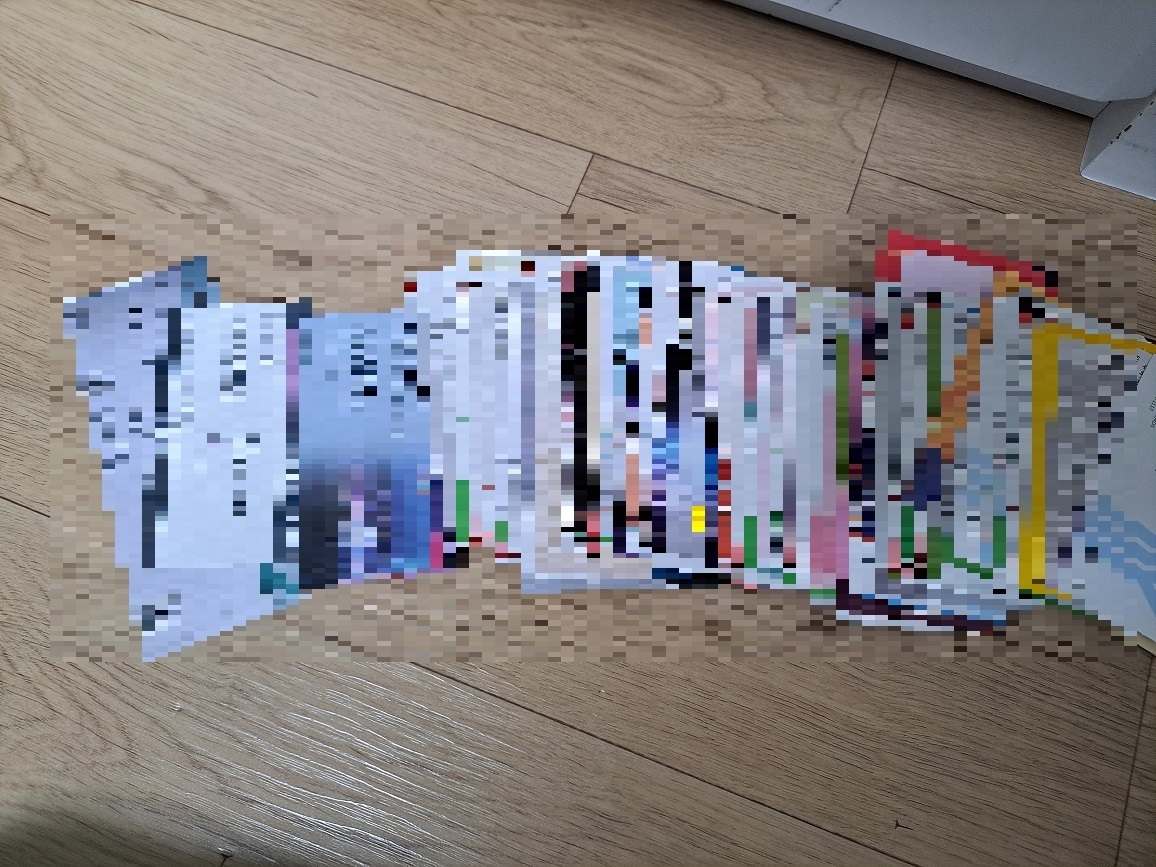
Police estimated that about two-thirds of the 2.4 billion won in resale revenue — roughly 1.6 billion won — was profit.
Authorities added that the man had made ticket reselling his primary source of income after graduating from university and had no other regular occupation. However, to make the operation appear legitimate and avoid drawing scrutiny over large sums flowing through his bank account, he registered a business in the e-commerce sector, police said.
He was also active in a large social media group chat used for illicit ticket trading, where members shared information on macro programs, ticket availability and police enforcement activity. The chat room reportedly had more than 1,300 members.
Police added that the man used proceeds from the resale operation to purchase an apartment and two commercial properties in Gyeonggi Province. While the apartment had already been sold, police officials identified two remaining commercial properties and financial claims under his name — worth 1.26 billion won combined — as alleged criminal proceeds and sought to freeze them before indictment.
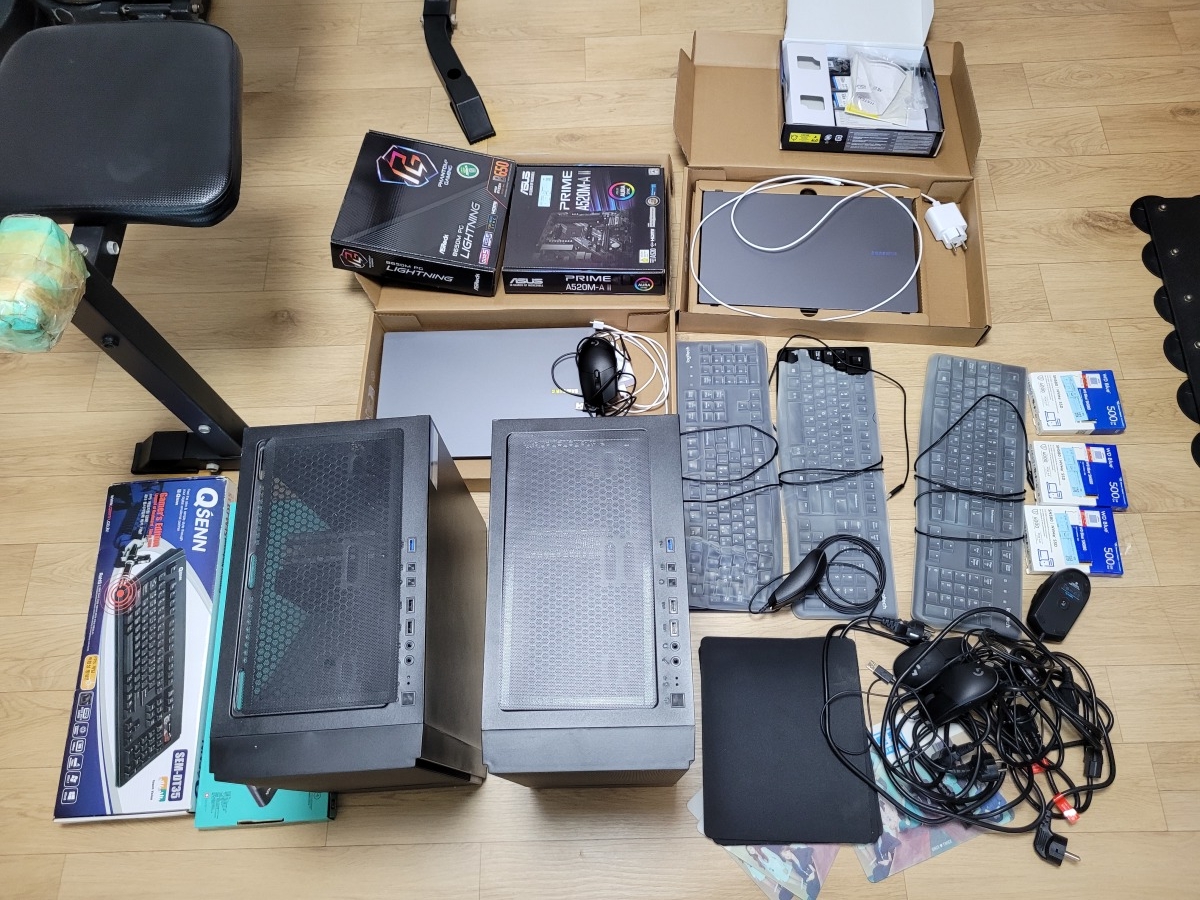
The suspect stopped selling tickets in April after police arrested 16 members of what authorities described as a large-scale ticket scalping ring that had handled some 7.1 billion won in illegal resales through the same online community.
After learning of the crackdown, he allegedly shut down his business registration and reset computers and mobile phones in an attempt to erase evidence. Police said they nevertheless recovered data through digital forensics and materials seized during a search of his residence.
Police are continuing investigations into other suspected scalpers linked to the same online network.
Ticket scalping has come under increasing scrutiny in Korea as demand for major K-pop concerts and sporting events has grown.
A revised Public Performance Act and National Sports Promotion Act took effect Aug. 28, expanding punishable ticket-resale offenses beyond cases involving macro programs, allowing authorities to take action against illegal resale even when automated purchasing software is not used.
lee.jungjoo@heraldcorp.com