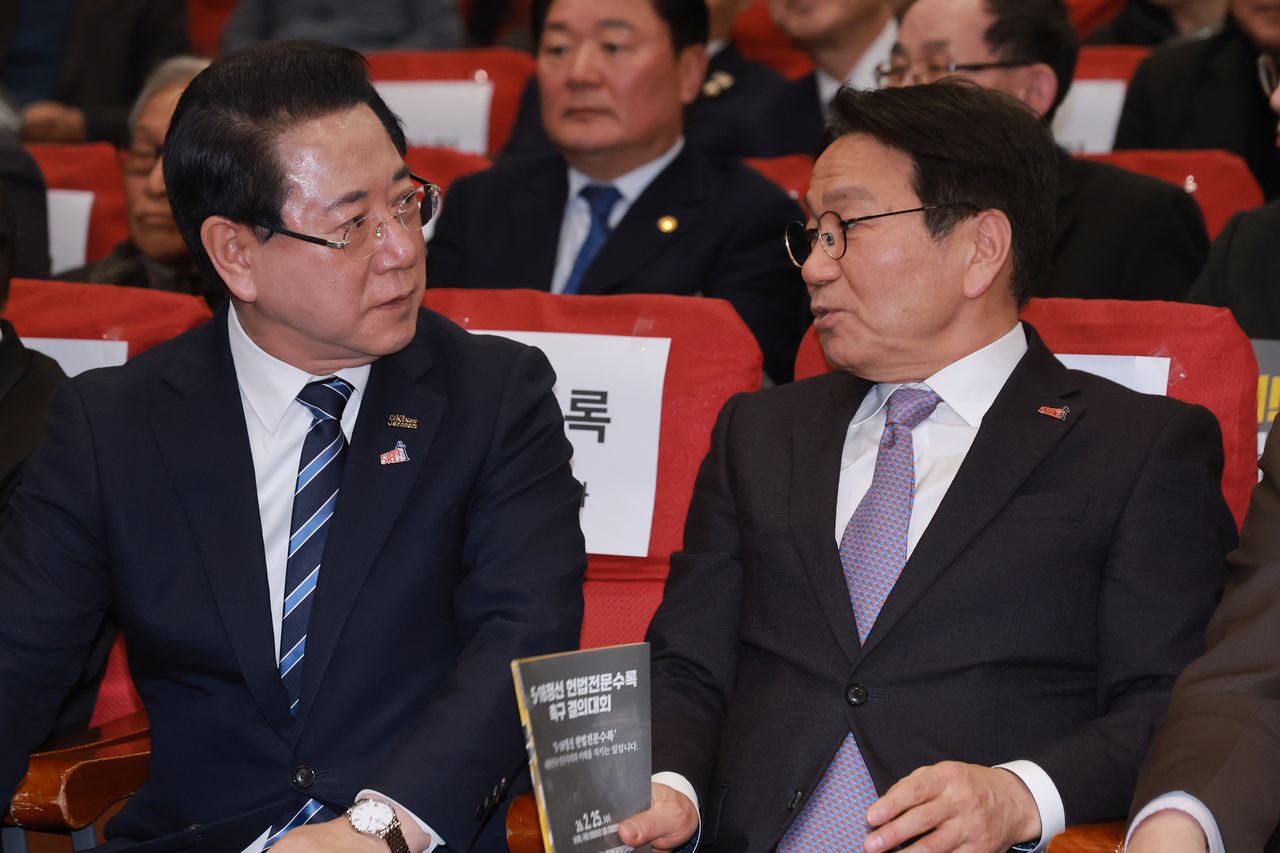
The planned integration of Gwangju and South Jeolla Province has entered a crucial phase following the National Assembly’s passage of a special merger support law, though several key issues remain unresolved ahead of the scheduled launch.
The approval makes the southwestern region the only area in Korea where administrative integration talks are actively moving toward realization.
However, sensitive matters, including the scale of central government support and the location of major administrative offices, have been left for further negotiations as authorities race to meet a tight integration timetable.
Under the current schedule, the two governments aim to elect a unified provincial leader in June and officially launch the integrated municipality in July.
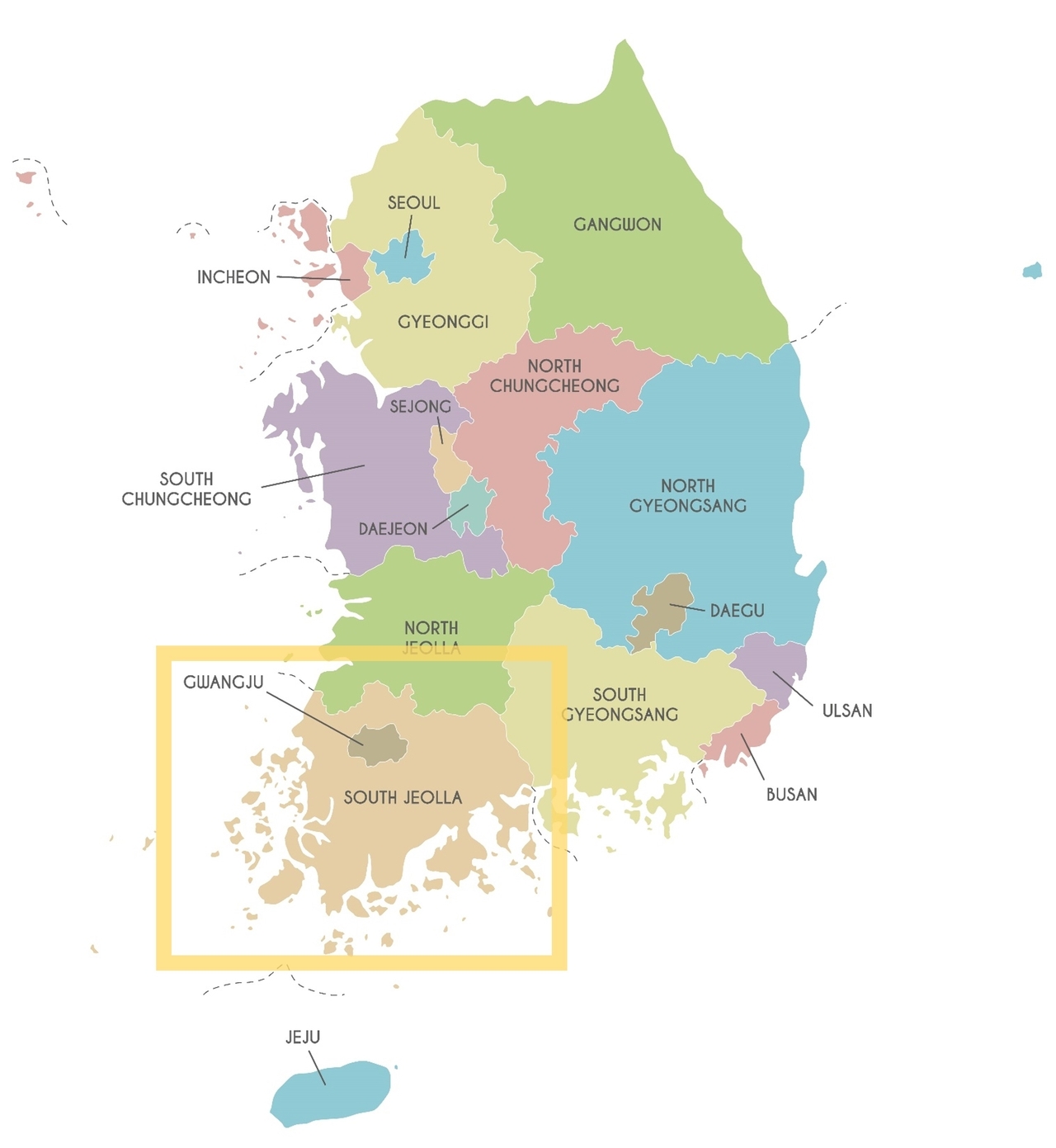
The new legislation lays out the legal framework to dissolve the existing metropolitan government of Gwangju and the provincial government of South Jeolla, replacing them with a unified jurisdiction spanning 12,864 square kilometers and home to roughly 3.2 million people.
It grants the new municipality expanded autonomy, especially in nurturing local industries and tourism, and allows central government support to foster growth in artificial intelligence and cultural content sectors, including financial backing for industrial complexes.
Additional provisions grant deregulation authority to simplify development approval procedures and promote tourism projects in relatively underdeveloped islands and mountainous areas, in an effort to shift the region’s traditionally agriculture- and fisheries-reliant economy toward future growth industries.
Despite the legislative milestone, local governments argue that major incentives requested during negotiations were omitted. Provincial officials said only 19 of 31 key support measures were reflected in the law, leaving out proposals such as differentiated electricity pricing for energy-intensive and AI industries.
Measures related to strengthening fiscal decentralization were also excluded. Local authorities have long called for increasing the proportion of tax collected by the local governments from the current roughly 28 percent to 40 percent to ensure meaningful autonomy.
A previously pledged 20 trillion won ($13.7 billion) four-year support package by President Lee Jae Myung was likewise not explicitly included.
“We will continue discussions with the central government to establish concrete institutional grounds for support before the launch of the special municipality,” an official from the integration task force said.
Internal conflicts between localities also pose potential risks to the merger process. One of the most contentious issues is the location of the unified municipality’s main government complex.
Currently, South Jeolla Province’s provincial office is located in Muan, about 40 kilometers from Gwangju and roughly 80 kilometers from the eastern parts of the province.
While the law stipulates distributing administrative functions among Gwangju, Muan and Suncheon on the south coast, competition among local governments seeking to host key institutions remains intense.
Further disputes are expected over the placement of key state-run institutions, the number of which will also be decided through negotiations with Seoul, as well as over essential but often unpopular facilities such as waste treatment and funeral infrastructure.
The task force official said preparations are underway to minimize administrative disruption before the July launch, including coordination of administrative systems, public institutions, transportation networks, regional development plans, welfare services, and energy and AI industry policies.
forestjs@heraldcorp.com