In ever-evolving Jongno, long known as the symbolic heart of the nation, centuries of royal history, dense tourism flows and contemporary cultural experiences sit side by side.
Here, palaces, old neighborhoods and public squares are not just historical landmarks; these global-facing assets shape millions of visitors' understanding of Korea.
Within the Global Thinkers framework, Jongno’s strengths converge most clearly in one area: the Global Culture Gateway badge, which recognizes cities and districts capable of exporting cultural influence.
As international foot traffic rebounds and cultural tourism accelerates, Jongno is emerging as one of Korea's clearest examples of how a district can transform historic density into an international tourist city.
Global Culture Gateway: Where heritage becomes a global interface
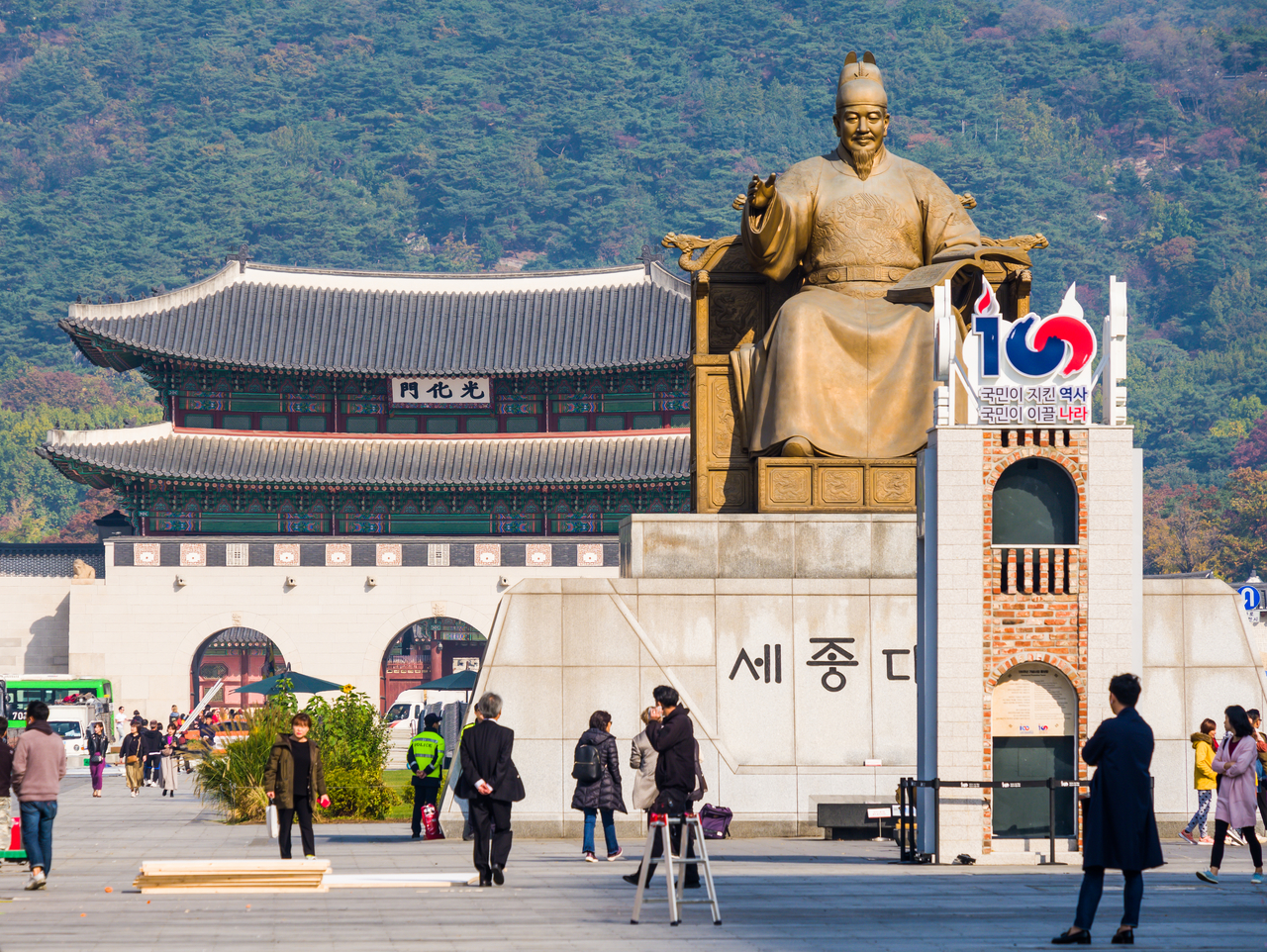
Jongno’s role as a cultural gateway is anchored by a concentration of heritage assets. The Gyeongbokgung and Changdeokgung palaces, Bukchon Hanok Village, Insa-dong, Ikseon-dong, the Seoul City Wall Trail and the renewed Gwanghwamun Square collectively form one of the most visited cultural corridors in Asia.
Tourism data illustrates this dominance. According to the Korea Tourism Organization, foreign visitors spent roughly 507 billion won ($350 million) in Jongno last year, and some 11 million people visited the district overall, placing it at the center of Seoul’s tourism economy.
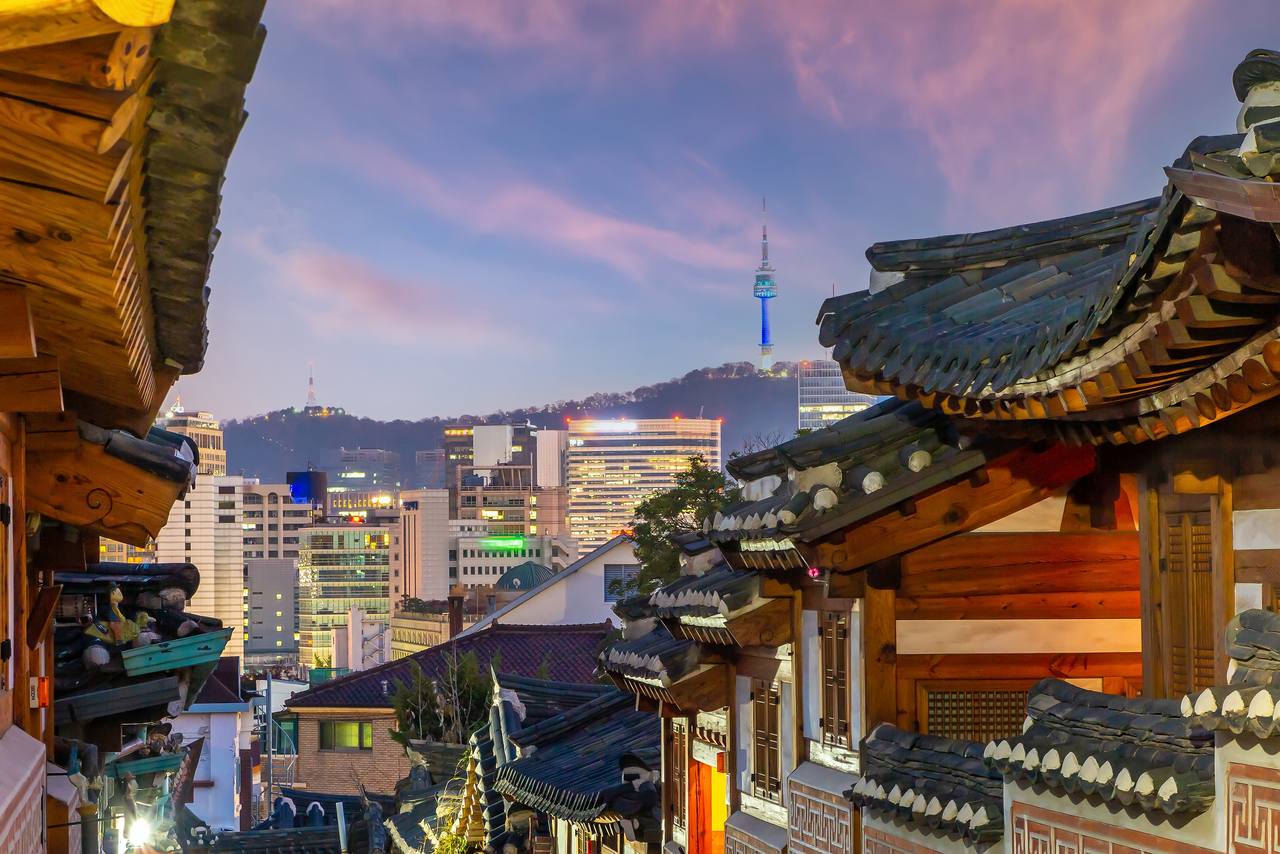
Bukchon Hanok Village, in particular, remains one of Seoul’s most compelling windows into traditional life. Unlike restored or reconstructed heritage zones, Bukchon is a living neighborhood with residents still occupying its wooden hanok homes along narrow stone alleys.
Many foreign visitors are drawn to the feeling of walking through a functioning community rather than a staged attraction, as well as the contrast it provides with Seoul’s hypermodern skyline.
Nearby, Insa-dong and Ikseon-dong offer parallel but distinct forms of heritage consumption. Insa-dong blends antique shops, galleries and tea houses that appeal to visitors seeking traditional crafts or quieter cultural immersion. Ikseon-dong, by contrast, has become anInstagram hotspot: a maze of 1930s hanok updated with cafes, boutiques and design studios.
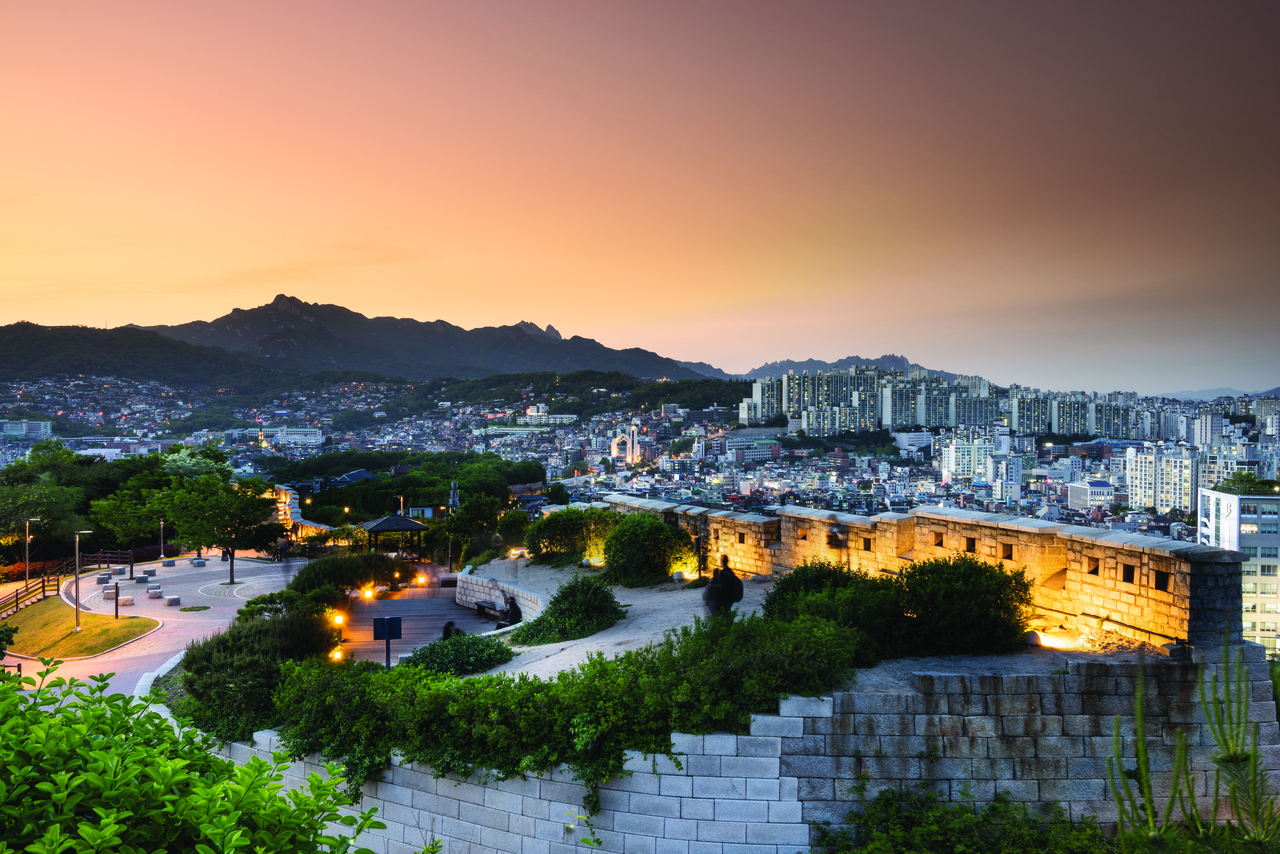
The Seoul City Wall Trail has similarly drawn a new generation of international visitors. Its panoramic ridges, once favored mostly by local hikers, surged in visibility after appearing in "Kpop Demon Hunters."
For many travelers, the trail offers a hybrid experience of history and nature. This pop-culture exposure is shifting visitor patterns outward from palace complexes into Seoul's surrounding landscapes.
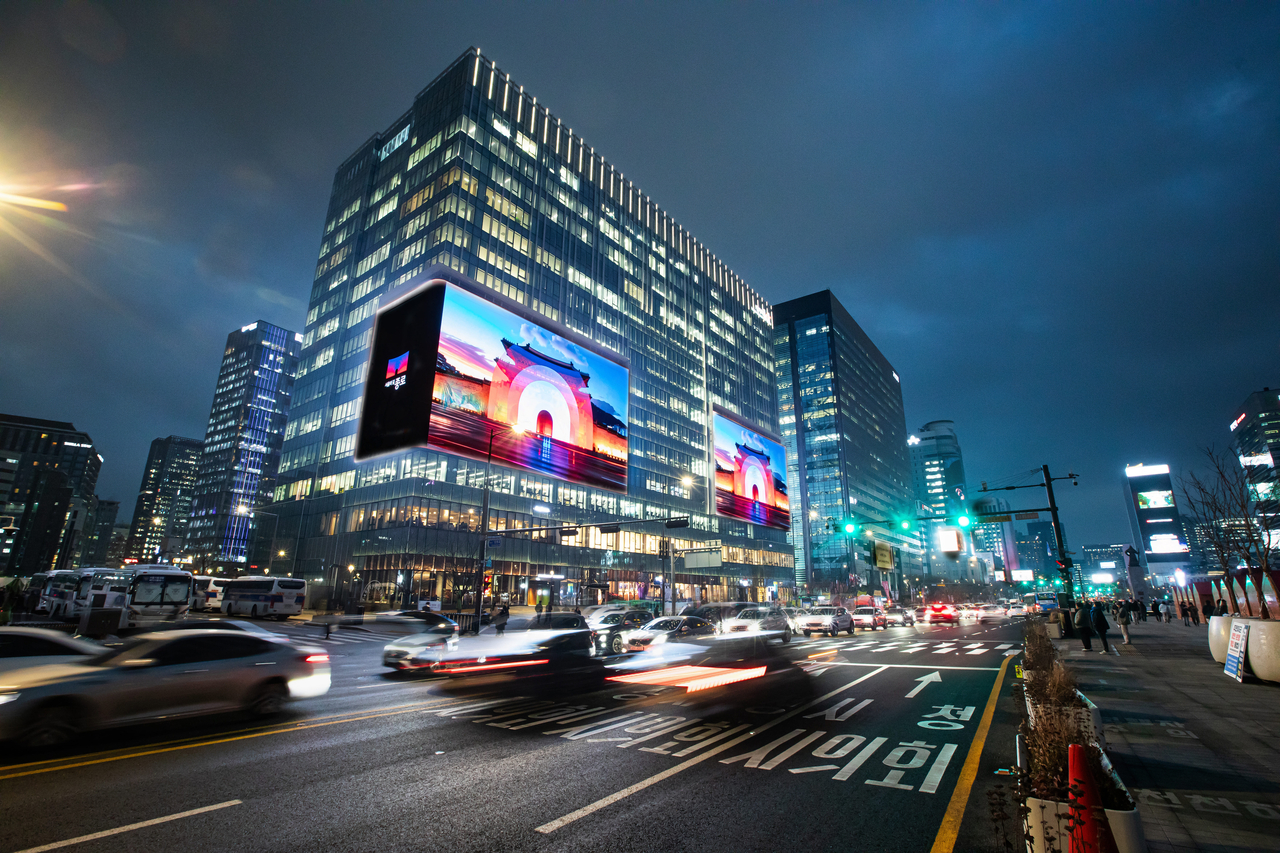
Meanwhile, Gwanghwamun Square remains Jongno’s most internationally recognizable civic stage — and is now undergoing its most ambitious transformation yet. Already associated with tradition and national symbolism, the square is quickly becoming a large-scale digital landmark akin to media plazas like New York’s Times Square.
Under a decadelong project designated as Korea’s second Free Display Zone, the district and nearby participating buildings will host massive LED screens showcasing media art, performances and interactive content.
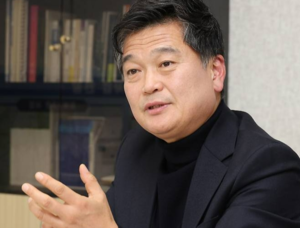
Jongno Mayor Chung Moon-hun said during his interview with The Korea Herald that this shift is not a "destruction of tradition," but an expansion of it.
"It is the moment where tradition takes on a contemporary language and extends outward. We already saw its potential last year during the K-Festa Gwanghwamun Square Opening Ceremony and the New Year’s Countdown.”
Digital facades have already been completed on four buildings, with five more scheduled for completion by the end of this year. “Once all nine buildings are connected, Gwanghwamun will become a single, integrated digital media canvas,” Chung said.
Major international moments are expected to accelerate the square’s international visibility.
“The 2026 World Cup will be a turning point,” Chung said. “We plan to combine the Red Devils’ energy with advanced media art to create a cheering culture the world has never seen.”
He added that highly anticipated cultural programming will further magnify the square’s appeal.
“When BTS holds its comeback stage here, audiences from all over the world will focus on Gwanghwamun — a place where history and the future coexist,” he added.
Managing global attention: a policy frontier
As Jongno’s cultural exposure grows, so does the need for sustainable tourism management. The district faces challenges common to world heritage destinations: resident fatigue, crowding, commercialization pressures and finding the delicate balance between conservation and access.
Policymakers increasingly treat Jongno’s cultural assets as strategic infrastructure that requires coordination across tourism, urban planning and heritage management.
For example, as visitor numbers surged in Bukchon Hanok Village, Jongno began shifting from passive accommodation of tourism to active management.
Last year, the district formalized its “restricted visiting hours” policy in Bukchon’s designated Red Zone, following a four-month pilot aimed at reducing noise, congestion and disruption to daily life. Now, tourist access is allowed only from 10 a.m. to 5 p.m., with a 100,000 won fine imposed on those who enter the area for sightseeing outside the permitted hours.
Jongno adopted a flexible, behavior-based enforcement approach to avoid excessive intrusion into residents’ routines. Bukchon security officers will continue issuing warnings and will fine only when visitors fail to comply. The rules apply equally to foreign tourists, who are guided to pay on site or before departure.
Jongno has also prepared additional measures to mitigate tourism-related congestion. Beginning in January 2026, the district enforced a chartered-bus traffic restriction across a 2.3-kilometer corridor encompassing Bukchon-ro and adjacent routes, following a six-month grace period.
Commuter buses, school buses and community shuttles will remain allowed, while unauthorized chartered vehicles will face penalties. The move aims to address chronic illegal parking and traffic bottlenecks that have affected both residents and visitors, the official explained.
A cultural gateway to Korea's history
What distinguishes Jongno within the Global Thinkers framework is not only the volume of cultural sites but how they operate collectively to reinforce Korea’s narrative.
Many visitors begin their understanding of Korean history, aesthetics and contemporary identity here. Filmmakers and content creators use Jongno’s landscapes to frame Korean stories.
As international cities increasingly compete on identity-driven assets, Jongno demonstrates what a fully formed cultural interface can look like through the convergence of lived tradition, contemporary reinvention and strategic governance.
“The changes underway now are a turning point that will define the next 100 years of Jongno. My responsibility is to ensure that this foundation remains stable and carries us into the next stage,” Chung said.
jychoi@heraldcorp.com