As Apple taps Google's Gemini, AI battle shifts from features to an all-knowing assistant
If Samsung were to design its ideal Galaxy AI user to showcase a product launch, they might look a lot like Kim Duk-jin, a professor at Sejong Cyber University who has spent over a decade helping Korean audiences make sense of new technologies. Since 2024, he has relied on numerous Galaxy AI features in both his work and everyday life, which he shares widely through lectures and national media.
But in early 2025, Kim also bought an iPhone 16 Pro — not to switch platforms, but out of curiosity about what Apple had promised. A self-described Galaxy and Samsung device loyalist, he wanted to see for himself.
"Apple made it sound like the upcoming Siri was finally becoming a real assistant," Kim told The Korea Herald.
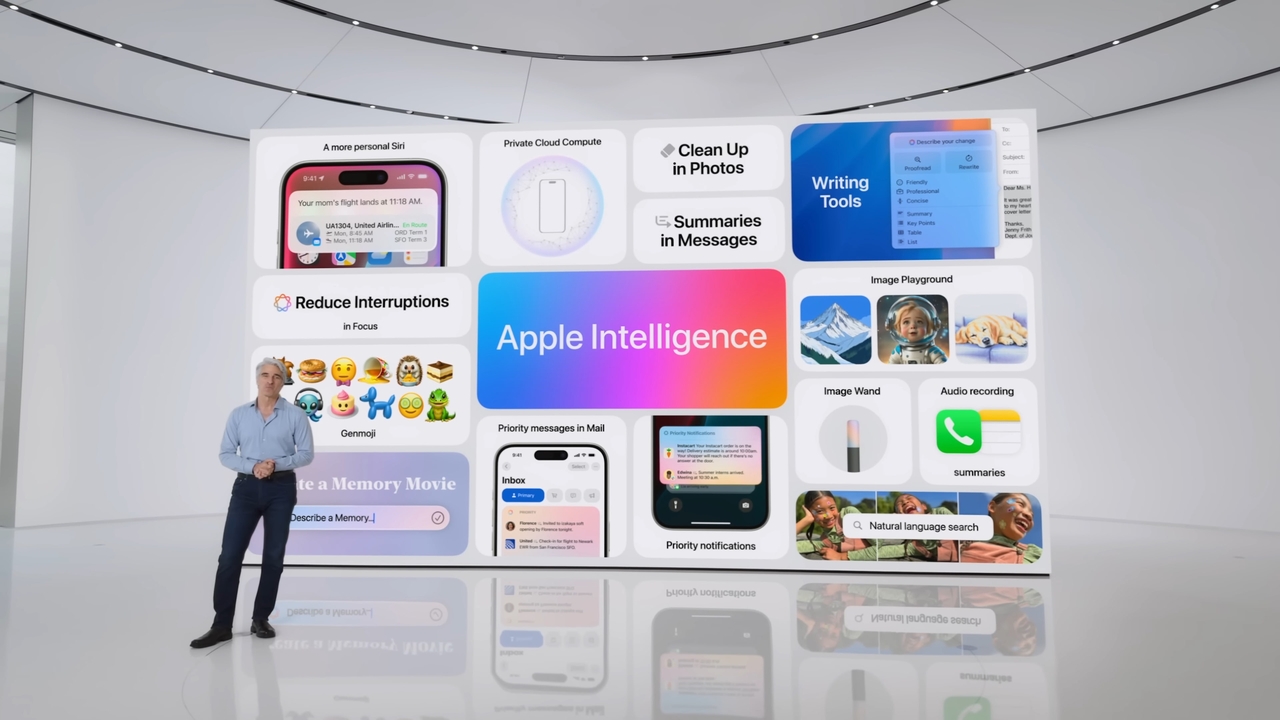
At Apple's 2024 developer conference, the company promised a "more personal Siri" powered by Apple Intelligence. Apple said Siri would be able to execute multistep actions across third-party apps and handle queries like, "When is Mom's flight landing?"
The new Siri, while still familiar in name, would serve as the voice and interface for Apple’s broader AI system, Apple Intelligence.
Then came the delays. By March 2025, Apple said those upgrades would roll out "in the coming year."
Kim felt "tricked," but he hasn't given up. He's watching even more closely now because Apple's assistant is about to get a new engine. On Jan. 12, Apple and Google announced that Gemini, Google's large language model, will power Apple Intelligence.
"While nothing has been officially released, if Apple can really turn Gemini into a seamless, reliable 'do this and that for me' assistant experience inside iOS," he said, "Samsung's two-year head start could lose some of its edge."
AI features vs AI agents
"Switching between Android and iOS today is like moving houses," Kim said. "You only make that kind of change if it dramatically makes your life easier."
Apple claimed a narrow lead over Samsung in global smartphone shipments in 2025 — 20 percent versus 19 percent, according to Counterpoint Research — marking its first annual victory in 14 years, despite limited AI features in the iPhone 17.
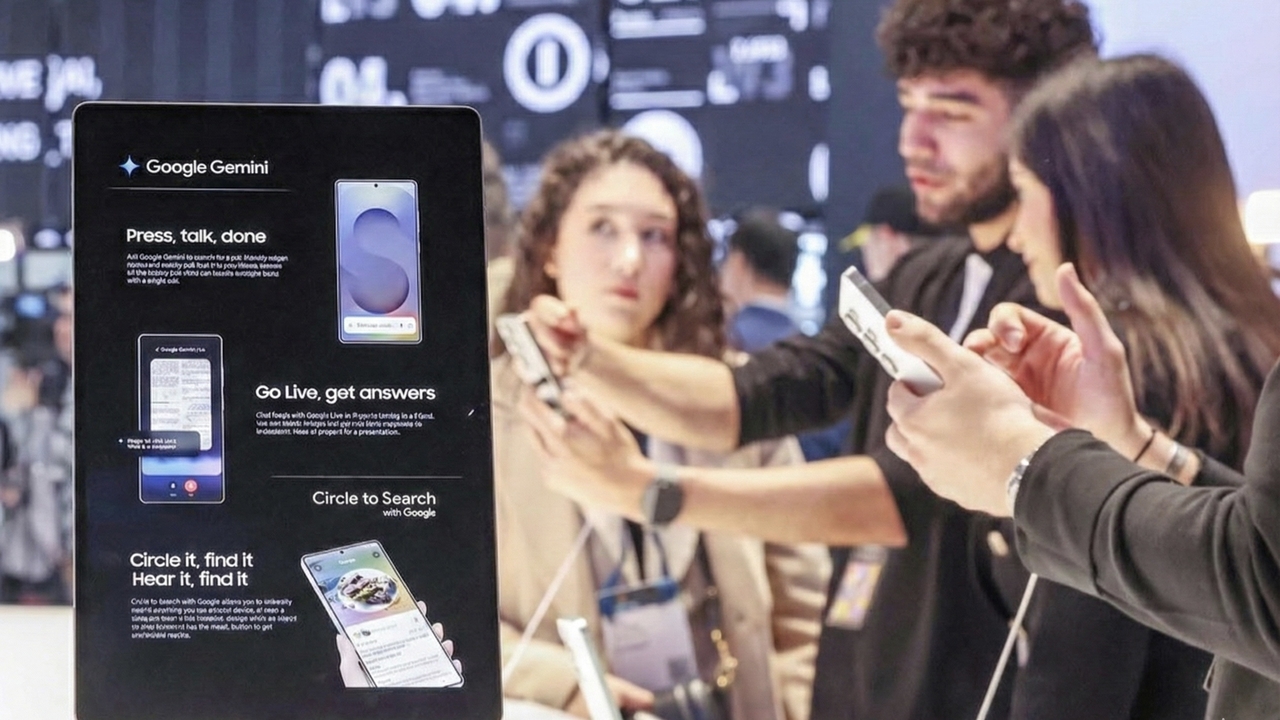
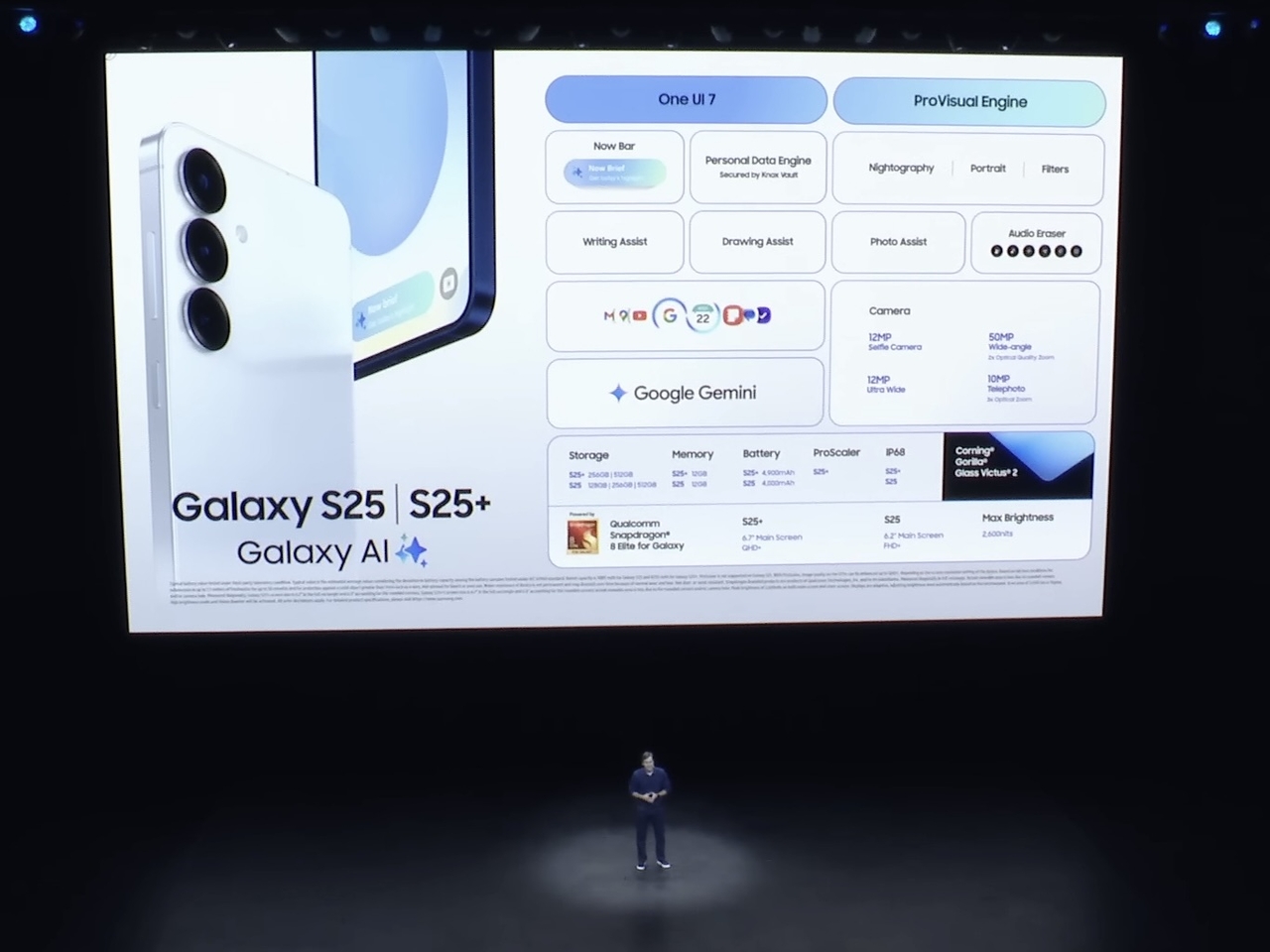
Samsung, however, continues to lead by a wide margin in the number and maturity of individual AI features. Galaxy AI, introduced in early 2024, includes tools such as AI photo editing and Circle to Search, as well as newer additions like Gemini Live. Many of these features have become habitual for users, including Kim.
These devices are already in the hands of millions. At CES 2026 in Las Vegas, Samsung's co-CEO and mobile division head Roh Tae-moon said that AI features will be applied to up to 800 million cumulative devices this year, referring to a "multi-AI engine" strategy to avoid reliance on any single platform or model.
A Samsung official described Galaxy AI as a "unified AI brand" that blends Google's Gemini with Samsung's own software and device integration.
But that position now faces a new challenge, as Apple is set to use the same Gemini engine and has promised to deliver a personalized, agent-style Siri with the "ability to take action for you within and across your apps."
When Gemini is everywhere
"The Apple-Google deal means Gemini is no longer an Android advantage," said Kang Jung-soo, head of the AI Research Center at Bluedot AI, a Seoul-based startup focused on AI search optimization.
While both companies use Gemini models, Samsung gives users direct access through features like Gemini Live, while Apple is expected embed Gemini beneath its own branding and UX, fine-tuned for privacy and consistency.
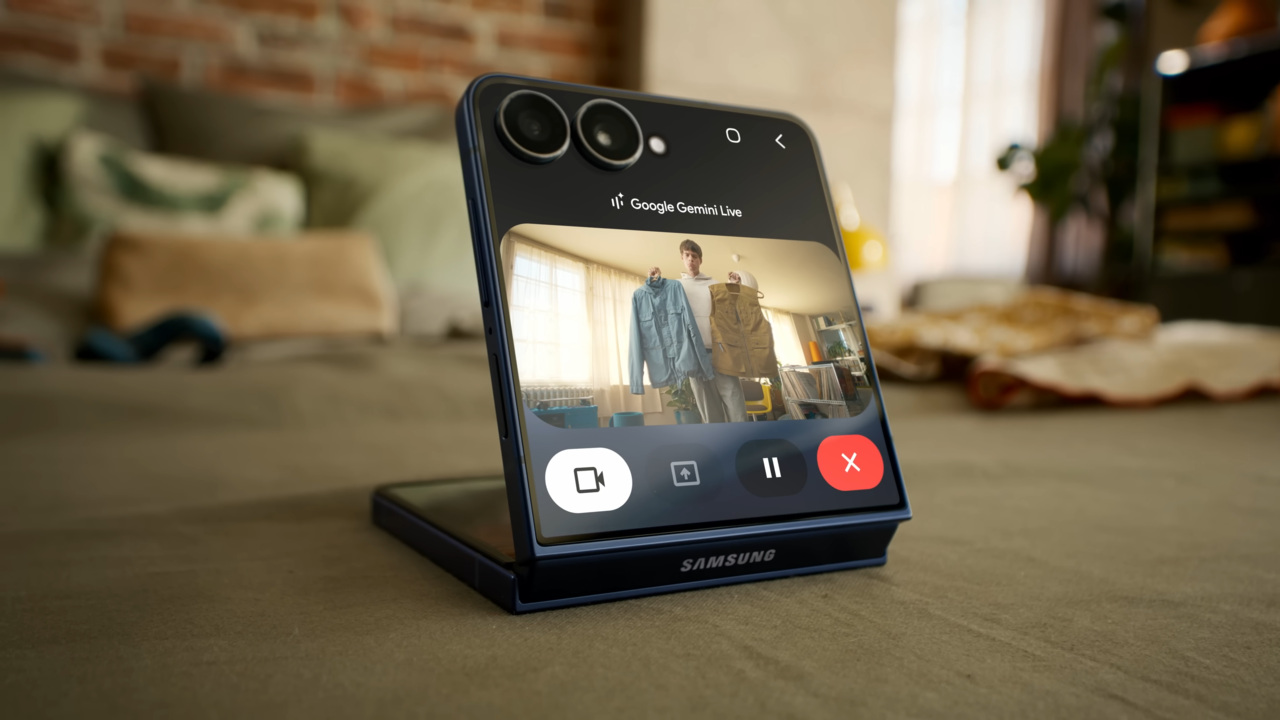
That changes the battlefield. So far, Samsung Galaxy has enjoyed early access to Gemini-powered features, such as the debut of Gemini Live as the default voice assistant on the Galaxy S25 series and its foldable series last year. But if both Samsung and Apple use the same underlying Gemini model, what matters is who uses it better and more reliably.
"Galaxy risks becoming just the best Android shell for Google's brain," Kang warned, "while Apple can turn that same brain into a tightly integrated assistant inside its own operating system."
That risk is now compounded by Google’s own recent push for “Personal Intelligence.” By connecting Gemini directly to deep personal archives like Gmail and Photos, Google is creating an assistant that lives in the cloud account, not the phone.
Yet Google hasn’t held back with Samsung either. Google has also deepened its collaboration with Samsung, integrating Gemini into key Galaxy S25 apps like Calendar, Notes, Reminder, and Clock, enabling users to perform in-app actions through voice prompts.
What Apple's new Siri could mean for Samsung
After handing most assistant duties over to Google's Gemini last year, Samsung seems ready to give its in-house voice assistant Bixby a meaningful upgrade this year.
A new version of Bixby, likely arriving with the Galaxy S26, is expected to be more conversational with real-time web results, thanks to integration with Perplexity AI. While Gemini will still power the more advanced AI features, Bixby could become the go-to for everyday voice tasks, especially ones tied to Samsung's own apps and settings, and help reduce some reliance on Google's technology road map.
For Apple, Bloomberg and The Information have reported that it plans to unveil a beta version of the new Siri as early as February. But even with renewed promises, Apple's AI timeline in 2026 remains uncertain.
"Sure, Apple can use Gemini to lift basic AI features. But given all the reporting about Apple's internal reshuffling around AI leadership, it's hard to see how a full, cross-app Siri agent built on Gemini ships cleanly this year," said Kang.
A Seoul National University researcher specializing in large language model agents, who requested anonymity due to industry ties, explained, "The most fatal failure point of AI agents today is triggering the wrong action, like sending private information to the wrong person or deleting something without backup."
Kang added, "If Galaxy AI can become more coherent and dependable while Apple is still working out how to make everything in Siri actually work together, that's the window."
mjh@heraldcorp.com