As Samsung Electronics intensifies its on-device artificial intelligence strategy in its flagship smartphones, domestic telecommunication companies face increasing concerns about their AI service business.
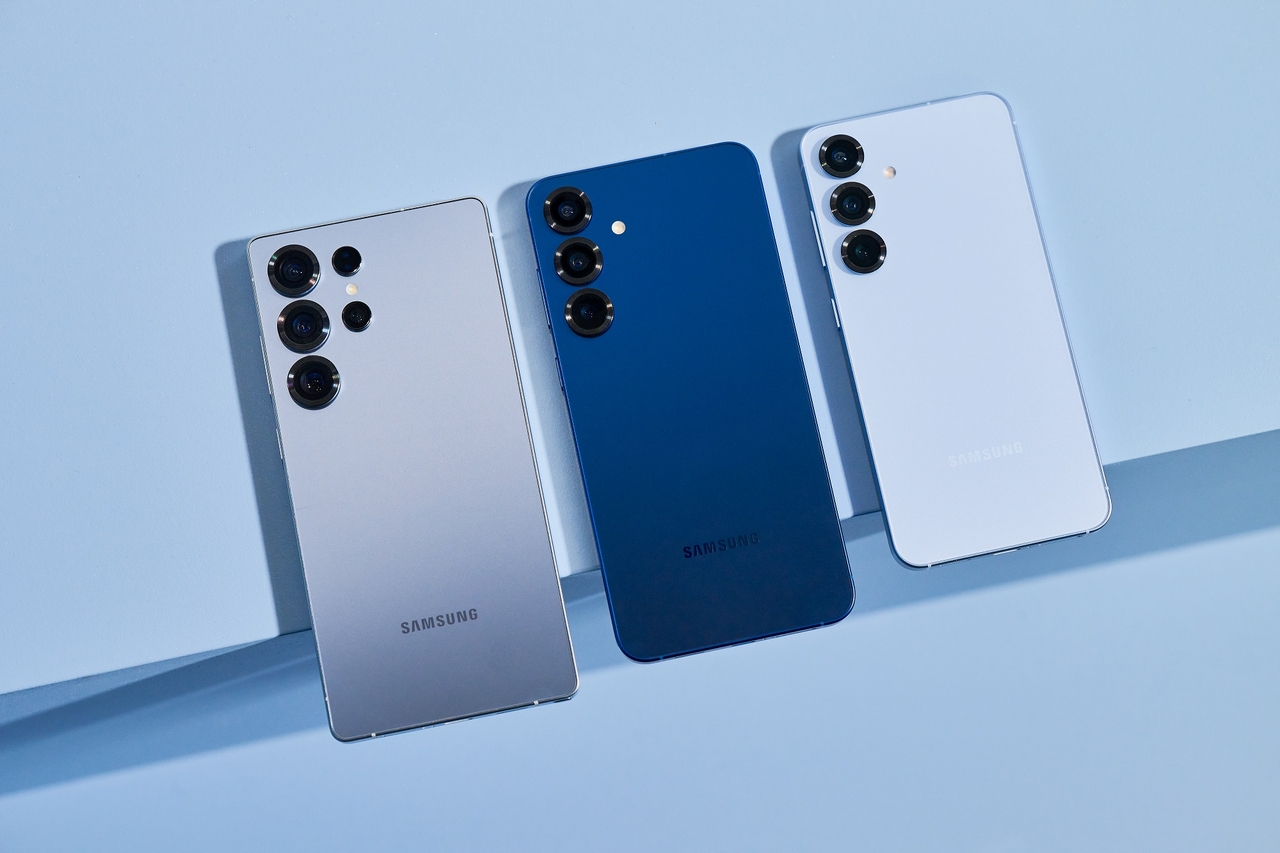
Telecom companies have been actively launching AI services to capture market share. However, Samsung's AI assistant capability enhancement in its latest flagship smartphone, the Galaxy S25 series, is escalating competition between the two sectors, according to industry sources on Wednesday.
Telecom operators aiming for business transformation through AI, face the necessity of developing differentiated services while simultaneously cooperating with device manufacturers to maintain competitiveness.
Samsung had integrated AI functionalities such as call recording and summarization, translation, and writing assistance within telecom carrier apps. However, the tech giant recognizes the growing need for these services to be embedded directly into devices, allowing users to access AI features without relying on separate applications.
In line with this vision, Samsung has upgraded its Circle to Search feature, enabling users to extract text from images and instantly initiate calls or searches using simple gestures. Additionally, by linking Google's conversational AI, Gemini Live, with Galaxy AI, users can seamlessly execute natural language commands across various apps.
The advancement of AI capabilities in the Galaxy S25 has intensified concerns among telecom operators, particularly regarding the monetization of their AI-based services. The introduction of Samsung’s built-in AI assistant could undermine telecom companies' efforts to commercialize their own AI offerings.
SK Telecom adjusted its pricing strategy for its AI assistant, A., by extending the free trial period and removing usage restrictions on call summary services. In the meantime, LG Uplus plans to start charging for part of its call recording service, ixi O, later this year, though success in monetization remains uncertain.
If AI-based call summarization and other assistant functions are already available for free on Samsung's flagship smartphones, the incentive for users to pay for similar telecom services is significantly reduced.
“Customers prefer an intuitive AI experience that does not require manually launching an app. To establish a strong AI presence, telecom operators must develop cutting-edge network-based AI technologies while deepening their collaboration with smartphone manufacturers,” said an industry source, who asked for anonymity.
In response, local telecom operators are ramping up collaboration efforts with global tech giants.
SK Telecom has formed the Global Telco AI Alliance, in Seoul in July 2023, alongside Deutsche Telekom, e&, Singtel and SoftBank to expand AI service applications. KT Corp., in partnership with Microsoft, is expected to launch an AI model incorporating OpenAI's latest GPT-4o technology within the first half of this year.
yeeun@heraldcorp.com