
Once a dreaded milestone that often led to breakups, more idol groups are now renewing contracts early as K-pop’s global growth reshapes the industry

For decades, K-pop fans dreaded the “seven-year curse.” Under Korea’s standard entertainment contract, the maximum term for exclusive deals is capped at seven years. As groups approached that mark, breakups, member departures or label changes became common.
The curse claimed some of the industry’s biggest names. In 2016, YG Entertainment’s flagship girl group 2NE1 disbanded seven years after its 2009 debut. Around the same time, Starship Entertainment’s Sistar, known as Korea’s “summer queens,” also split. JYP Entertainment’s Miss A, who debuted in 2010 with the breakout hit “Bad Girl Good Girl,” effectively dissolved after two members declined to renew their contracts.
The rise of the curse
The roots of this trend lie partly in the contract system itself.
In the late 2000s, “slave contract” scandals over excessively long, one-sided deals in favor of agencies pushed the Fair Trade Commission to step in. In 2009, the commission introduced a standard contract capping exclusivity at seven years, after which artists could terminate their agreements.

Seven years also marks a natural turning point for many idols.
By this time, members often reassess their futures: some wish to continue group activities, while others pursue solo careers in acting, TV shows or music. When those paths diverge, conflicts emerge. Disputes over revenue distribution — particularly when popularity levels differ between members — have also fueled breakups. On top of that, groups often face waning public interest by their seventh year, as newer acts crowd the market and agencies grow hesitant about future profitability.
Cracks in the old pattern
But in today’s globalized K-pop industry, the seven-year itch appears to be fading.
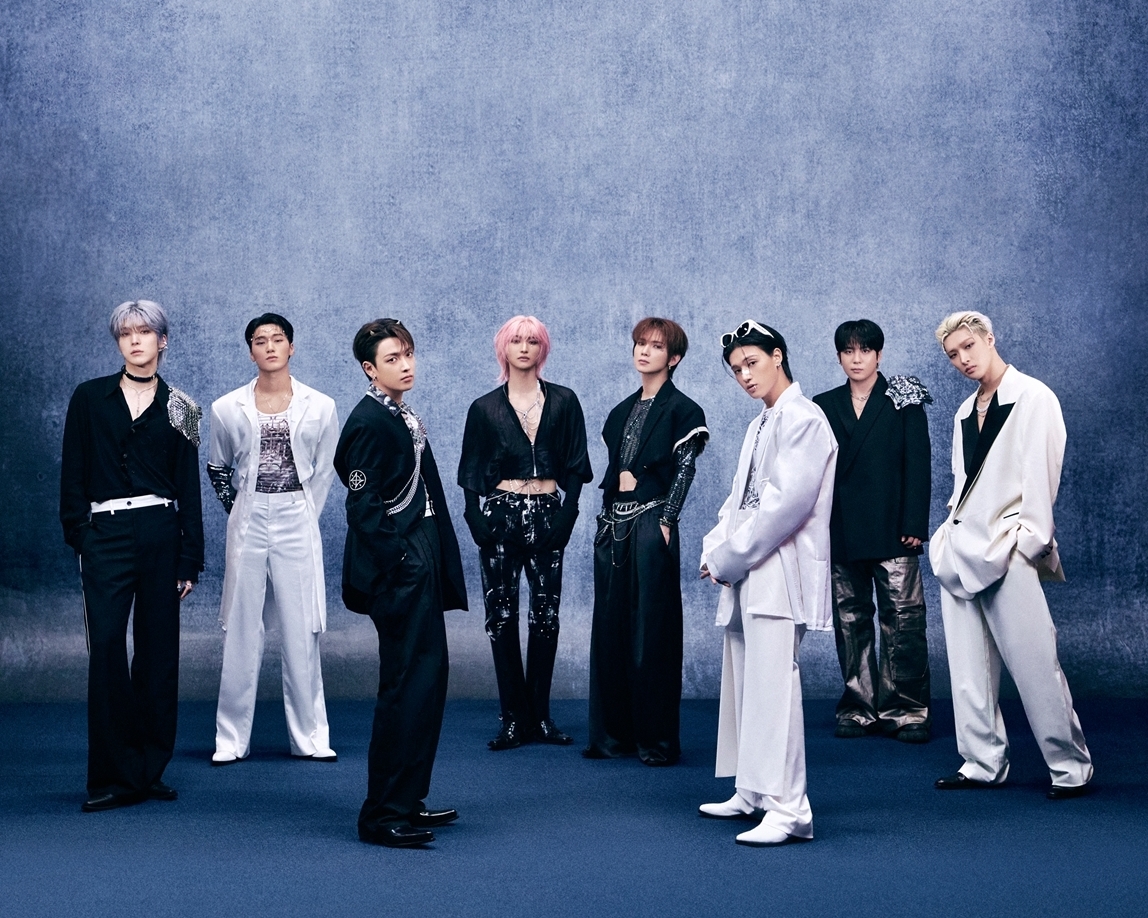
More top-tier groups are renewing contracts well before the expiration date. On Saturday, the girl group Itzy announced all members had signed new contracts with their agency, JYP Entertainment, five months ahead of the deadline. Last month, Big Hit Music’s Tomorrow X Together confirmed its renewal. In August, Ateez of KQ Entertainment extended its deal for another seven years — an unusually long term, as most renewals span three to five years.
Music critic Lim Hee-yun described the trend as a major shift.
“Idol groups today can continue activities steadily thanks to a stronger global fan base,” Lim said Monday. “In the past, groups relied heavily on domestic popularity, so if support weakened in Korea, disbandment often followed. Now, even groups that aren’t top-tier can maintain a large enough international fandom to sustain long-term activities.”
New global era
An official from a major K-pop agency credited the professional idol management system for helping groups outlast the “seven-year curse.”
“Unlike actor management, idol agencies operate with highly specialized teams,” the official said. “From overseas promotions to managing artists’ social media, it’s difficult for small or one-person agencies to handle the scale required. That expertise makes a big difference once members consider going solo.”
The extended lifespan of intellectual property in K-pop has also changed agency strategies.
“In Korea, idol groups were once consumed quickly, with each concept tied to a limited cycle. But in global markets, existing hit songs can sustain concerts and tours for much longer,” the official said. “Seeing long-running global acts also reassures mid-career groups that renewals are worthwhile.”
A senior executive at another leading agency echoed the point, noting how idols have learned from past disbandments.
“Many who left groups for solo careers found little success, while groups that stayed together thrived,” the executive said. “These days, agencies also encourage both group and solo promotions, so members don’t need to leave to pursue their own music.”
“Ultimately, fans want to see their favorite groups whole,” the executive added. “The original lineup is always the most powerful image, and both artists and agencies now recognize the value of that.”
jaaykim@heraldcorp.com


