Seoul is almost always working on housing developments in the city, even for its tiniest residents.
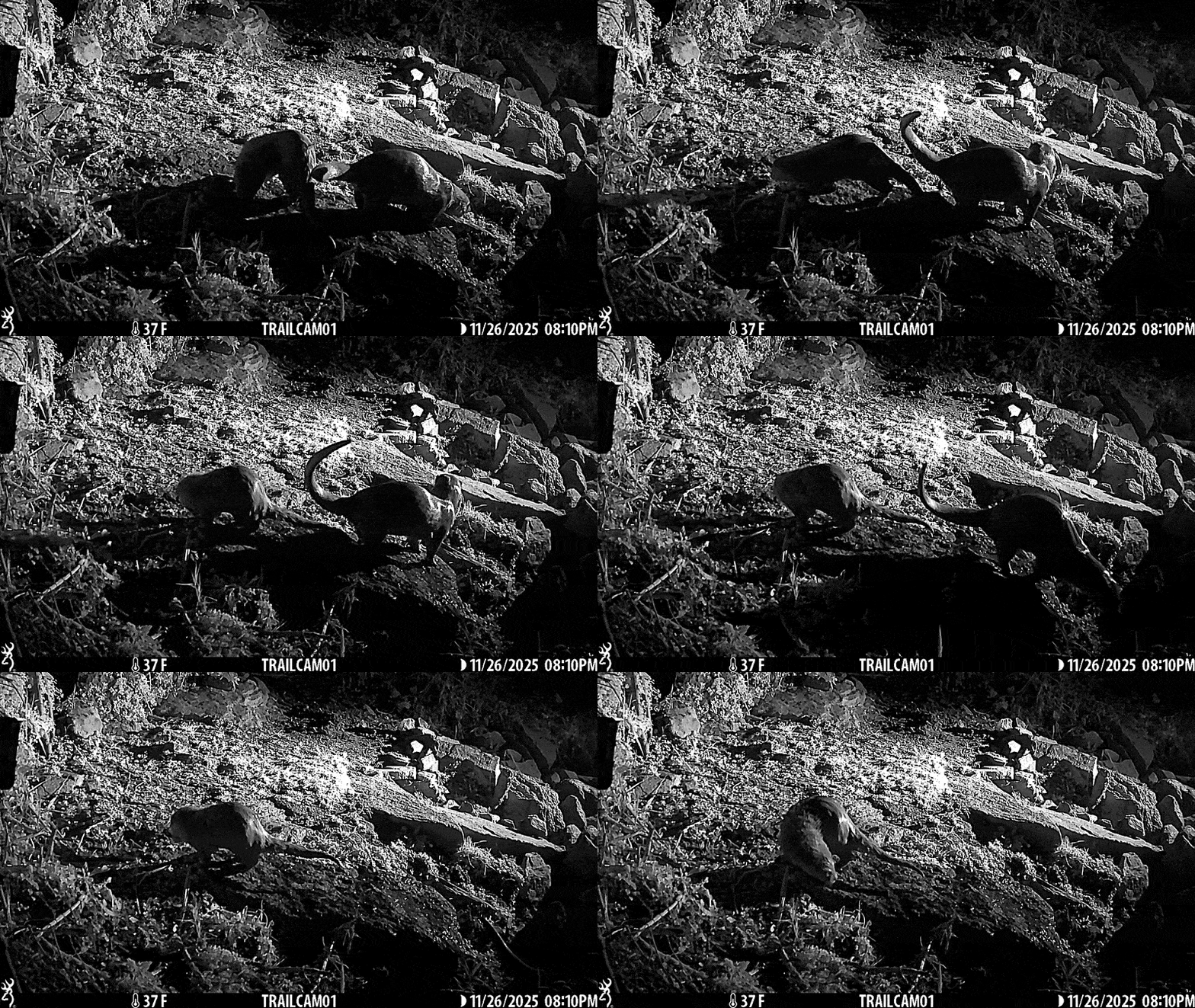
After otters began popping up across the capital, the city has decided to make room for them along Cheonggyecheon. Artificial dens will be installed along the stream to support returning otters and promote coexistence with residents, local news reports said Sunday.
The Seoul Metropolitan Government and Seongdong-gu Office recently approved the installation of artificial otter dens along a 10-meter section of Cheonggyecheon in Seongdong-gu.
Two motion-sensor cameras will also be installed to monitor use of the shelters and track otters' movements. Signs designating the area as otter habitat will be installed mid-December as well.
Seongdong-gu has collaborated with residents and environmental groups to enhance habitats following repeated otter sightings along Cheonggyecheon and Jungnangcheon.
"We will continue working to protect wildlife in the city and create an environment where people and animals can safely coexist," the district said in a statement in June.
In August, the district partnered with the social cooperative Hangang to restore Otter Island, a habitat along the lower Jungnangcheon damaged by heavy rainfall.
Otters are designated a class I endangered wildlife species in South Korea, meaning their populations have dropped sharply due to natural or human threats, putting them in danger of extinction.
Otters largely disappeared from Seoul for years due to river development and water pollution. Their return was first confirmed in 2016, when researchers observed an otter in Tancheon Stream. Since then, their population and habitat range have continued to expand.
A September survey by the National Institute of Biological Resources identified 27 otters along the Han River's main channel and tributaries in Seoul, representing an 80 percent increase from the 15 recorded in a 2022 Seoul Metropolitan Government survey.
The survey also confirmed five otter families, indicating that otters have established habitats and are reproducing in the capital.
ssh@heraldcorp.com