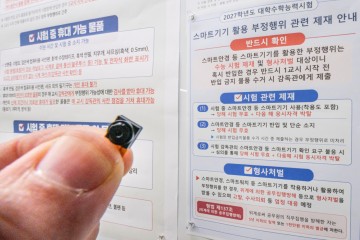
Tech, defense firms tighten screenings for smart glasses and other unauthorized electronics over fears of leaks
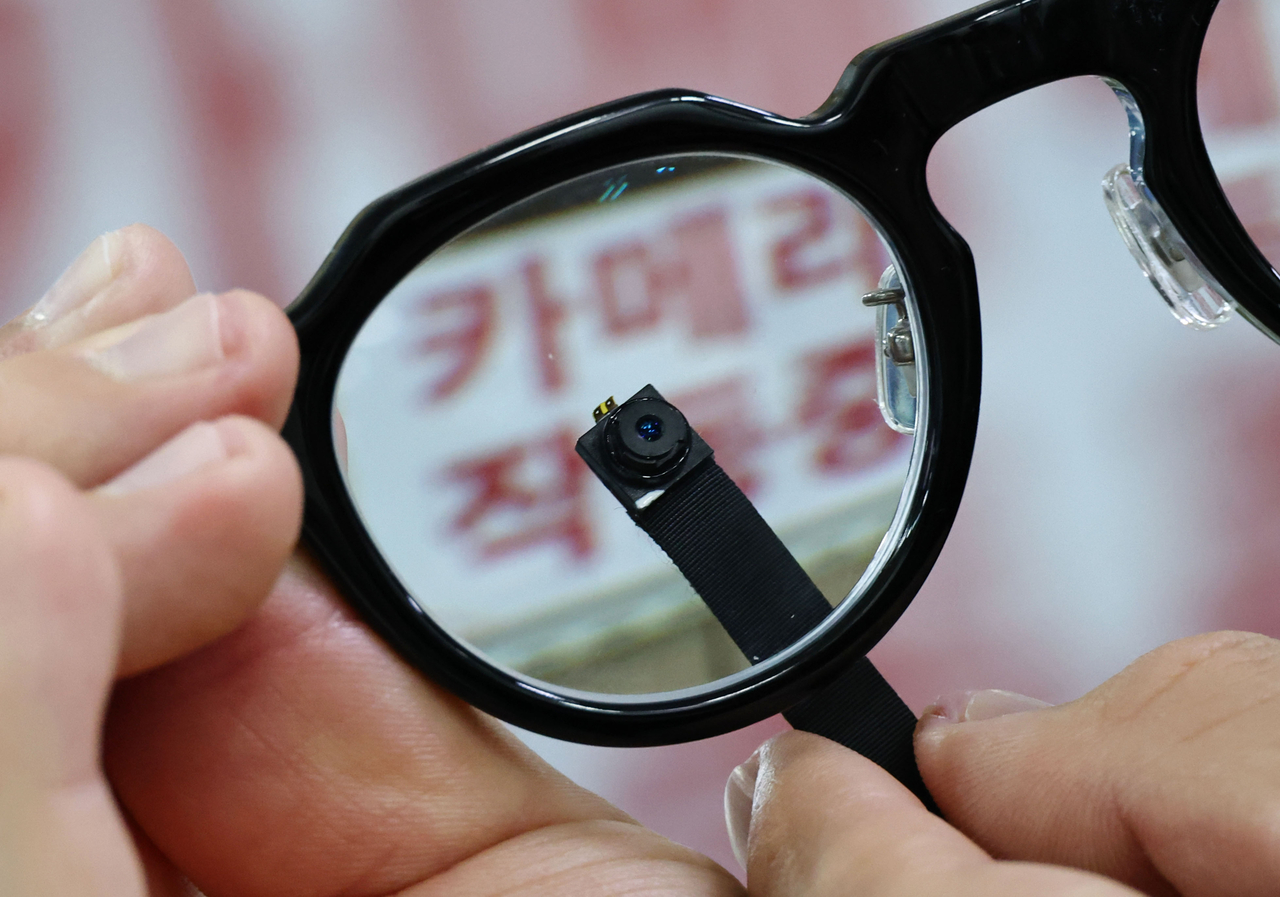
The recent use of artificial intelligence to cheat on a national exam in South Korea has brought renewed attention to a security risk for companies that handle sensitive technology, including chipmakers, automakers and defense contractors. As a result, companies are tightening entry checks for smart glasses and other unauthorized electronics that could be used to record confidential information.
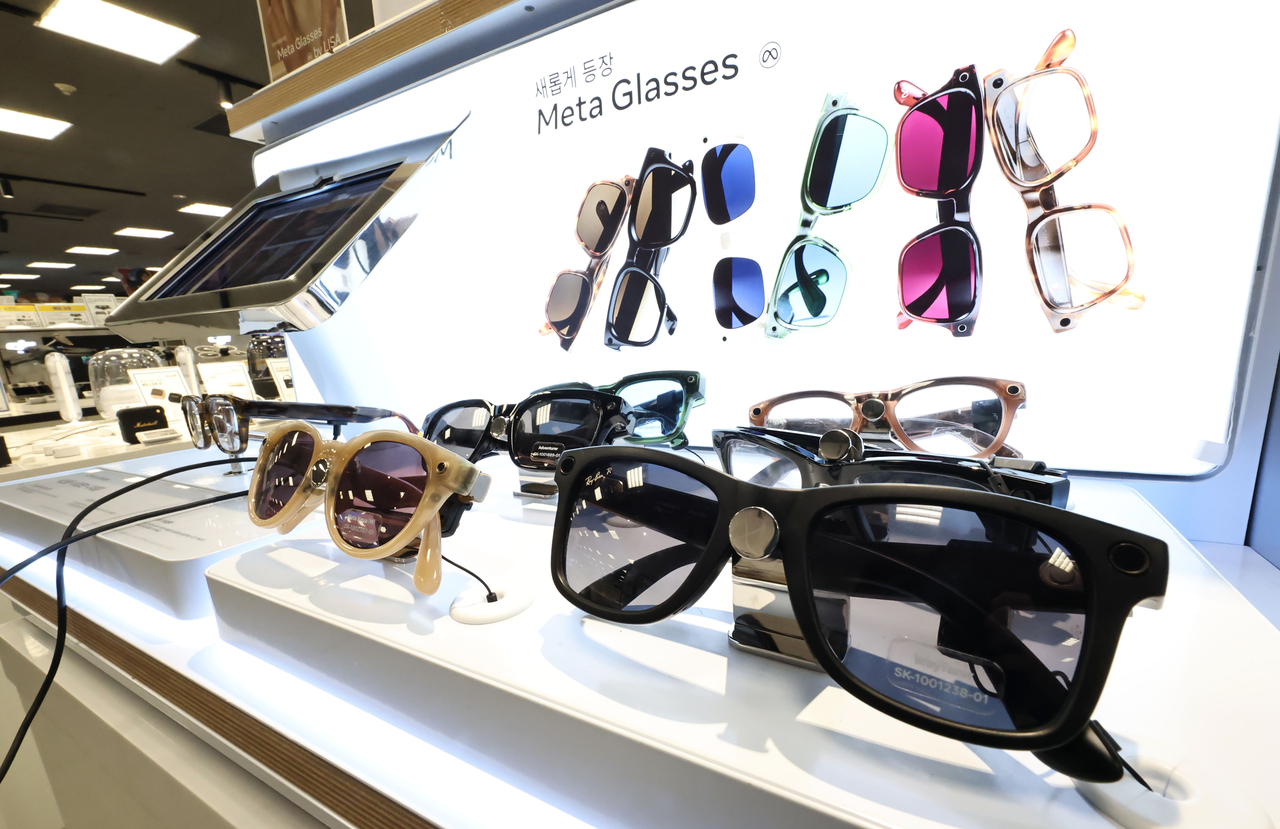
Affiliates of Samsung, SK, Hyundai Motor and LG, along with shipbuilders and defense contractors, said that as of Tuesday they restrict smart glasses or require prior approval to bring them onto their premises. Companies are stepping up employee training and asking workers to report unauthorized devices, and some facilities are adding visual inspections to existing entry checks.
Smart glasses can conceal cameras, microphones and wireless transmitters in ordinary-looking frames. The security risk extends to everyday objects such as shirt buttons and pens, which can also house miniature cameras.
The top scorer on South Korea’s tax accountant certification exam, who admitted Sunday to using AI to cheat, reportedly turned over a miniature camera, a laptop and a phone to police. No smart glasses were among the devices submitted. He first drew attention after boasting that he had scored 397.5 out of 400 on the first stage of the exam, well above the average.
The stakes are particularly high at semiconductor and defense facilities that handle technologies protected under South Korea’s industrial and defense security rules. The same kind of device that can capture an exam question could also record a chipmaking process, a vehicle prototype or a confidential document.
“Companies were already struggling with AI-related hacking threats, and tiny wearables like smart glasses add to their security worries,” an industry official said. “A leak can change a company’s fortunes, and there’s only so much businesses can do on their own. We need targeted government support and clearer rules.”
Samsung Electronics generally prohibits on-site photography with smart devices and requires camera-blocking stickers on smart glasses brought onto its premises.
SK hynix bars smart glasses, and reminded employees Monday to leave them in lockers before entering company buildings and to report anyone using similar devices inside.
South Korea protects key semiconductor manufacturing processes under laws governing national core technologies and national advanced strategic technologies.
The National Police Agency’s National Office of Investigation recorded 179 technology leak cases last year and apprehended 378 people. Semiconductors accounted for five overseas leak cases, the most of any sector.
Hyundai Motor has required visitors to its Seoul headquarters to declare smart glasses and other AI wearables and get approval before bringing them in since June.
The company has reportedly extended the policy to its domestic research centers and factories. It has added AI-based battery detection to its X-ray equipment and uses visual checks to spot wearables.
LG Group bars unauthorized smart devices and requires cameras to be covered on smart glasses that cannot run its security software.
HD Hyundai has restricted some smart devices at major sites and updated its confidentiality agreements and employee training.
Hanwha Aerospace has added visual inspections to existing security checks and metal detection at research facilities that handle sensitive technology.
As scrutiny grows, smart glasses makers are highlighting safeguards. Samsung Electronics said its upcoming glasses will feature an external LED that lights up when in photo or video mode and the camera will be disabled if the light is blocked or malfunctions.
Meta said its models sold in South Korea rely on spoken commands and audible replies, making them unlikely to be used for cheating.
herim@heraldcorp.com