'Rohtko' a multimedia theater production by Polish director Twarkowski, comes to Seoul this week with questions of art, originality and authenticity
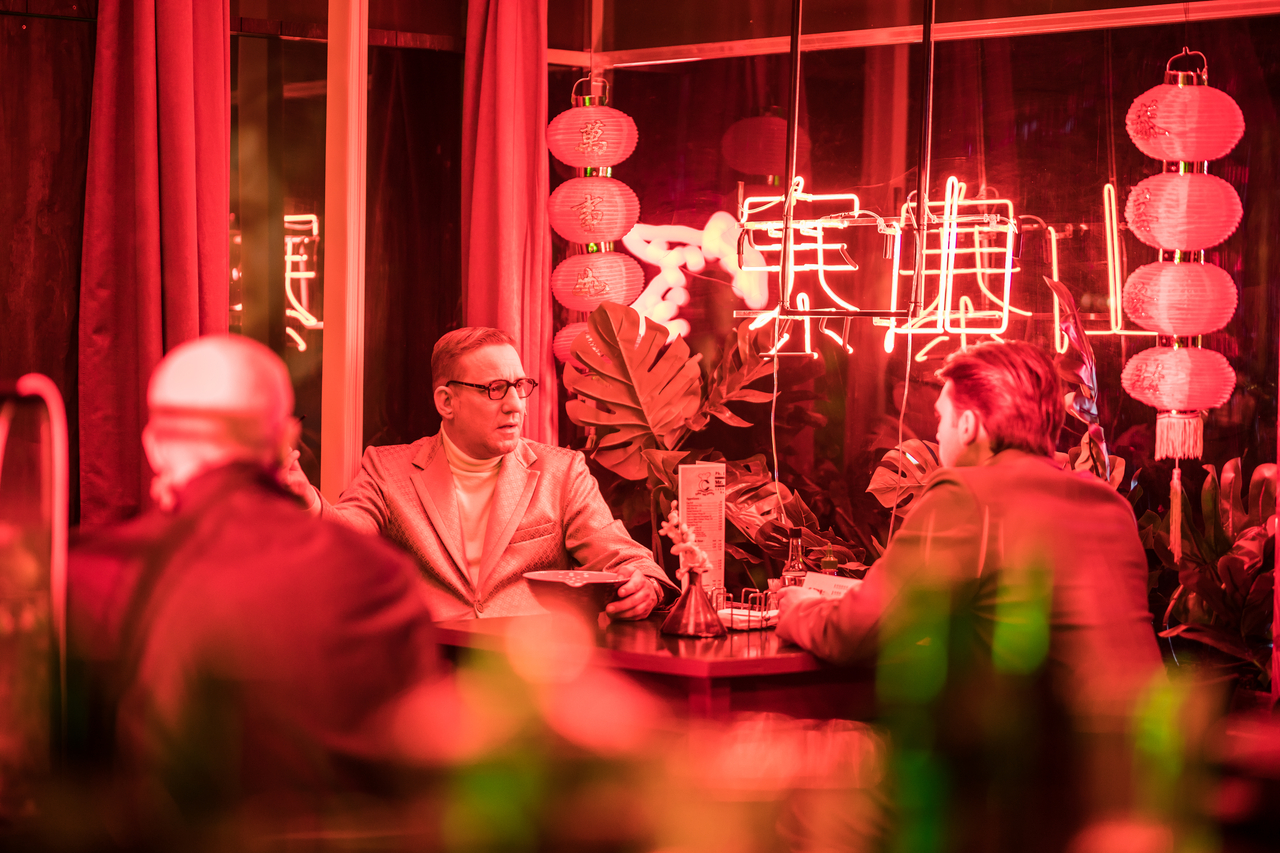
In 2004, a painting attributed to Mark Rothko was sold through the prestigious New York gallery Knoedler & Co. for $8.3 million.
Seven years later, it was exposed as a forgery, painted not by the celebrated American abstract expressionist but by Pei-Shen Qian, a Chinese-born artist living in Queens, New York.
The case was part of a sprawling art fraud scandal that shook the American art market, raising a fundamental question: Where does the value of an artwork lie — in the object itself, or in the artist's name and the price the market assigns to it?
Arriving in Seoul this week at the LG Arts Center, Polish theater director Lukasz Twarkowski takes up that question in his multimedia theater production, "Rohtko" (a deliberate misspelling of the painter's name), exploring the blurred boundaries between originals and copies, reality and fiction.
The questions took on particular relevance when the production was conceived in 2021, when the art world was embracing non-fungible tokens, or NFTs. They have become even more pressing with the rise of artificial intelligence.
"I truly believe that we are living at a moment when we cannot separate what is real, what is digital, what is physical," Twarkowski said at a press conference in Seoul on Wednesday ahead of the production's run.
"We are living in some kind of strange mixture where these zones are constantly influencing each other."
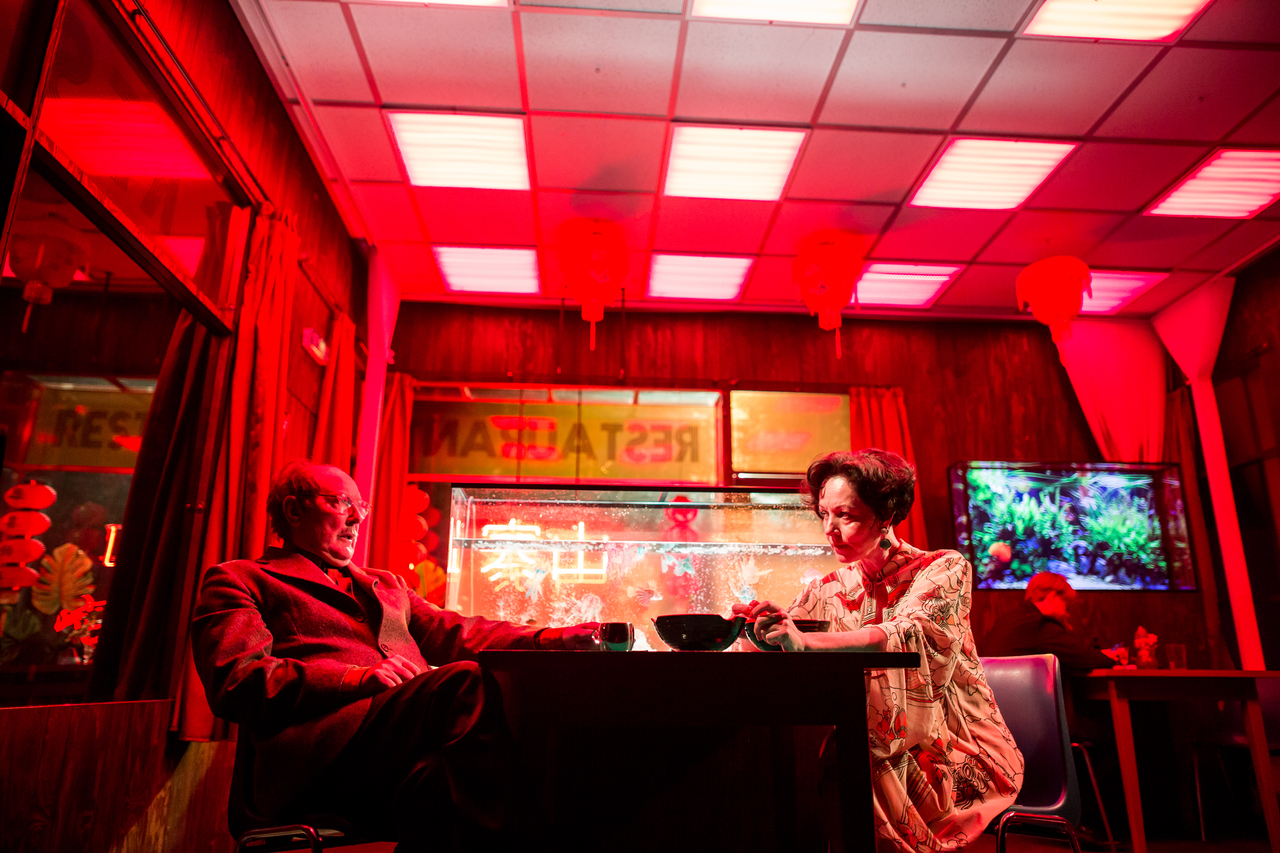
One important influence on the production was "Shanzhai: Deconstruction in Chinese," a book by Korean-born German philosopher Han Byung-chul. The book explores the Chinese/Asian concept of "shanzhai," which goes beyond simple imitation to embrace alteration, adaptation and reinvention.
Twarkowski said the book proved to be a "breakthrough," challenging his understanding of originality.
"It turns out that it is a question of a certain social agreement. These two notions, which seem very basic and obvious to people in Europe, can be understood in a completely different way once we look at them more closely, in different cultures."
The question of authenticity takes on another dimension when applied to Rothko's paintings themselves, Twarkowski pointed out. Some of the artist's works have changed significantly over time as their pigments faded, raising the possibility that a meticulously recreated copy might now resemble the artist's original intention more closely than the painting itself.
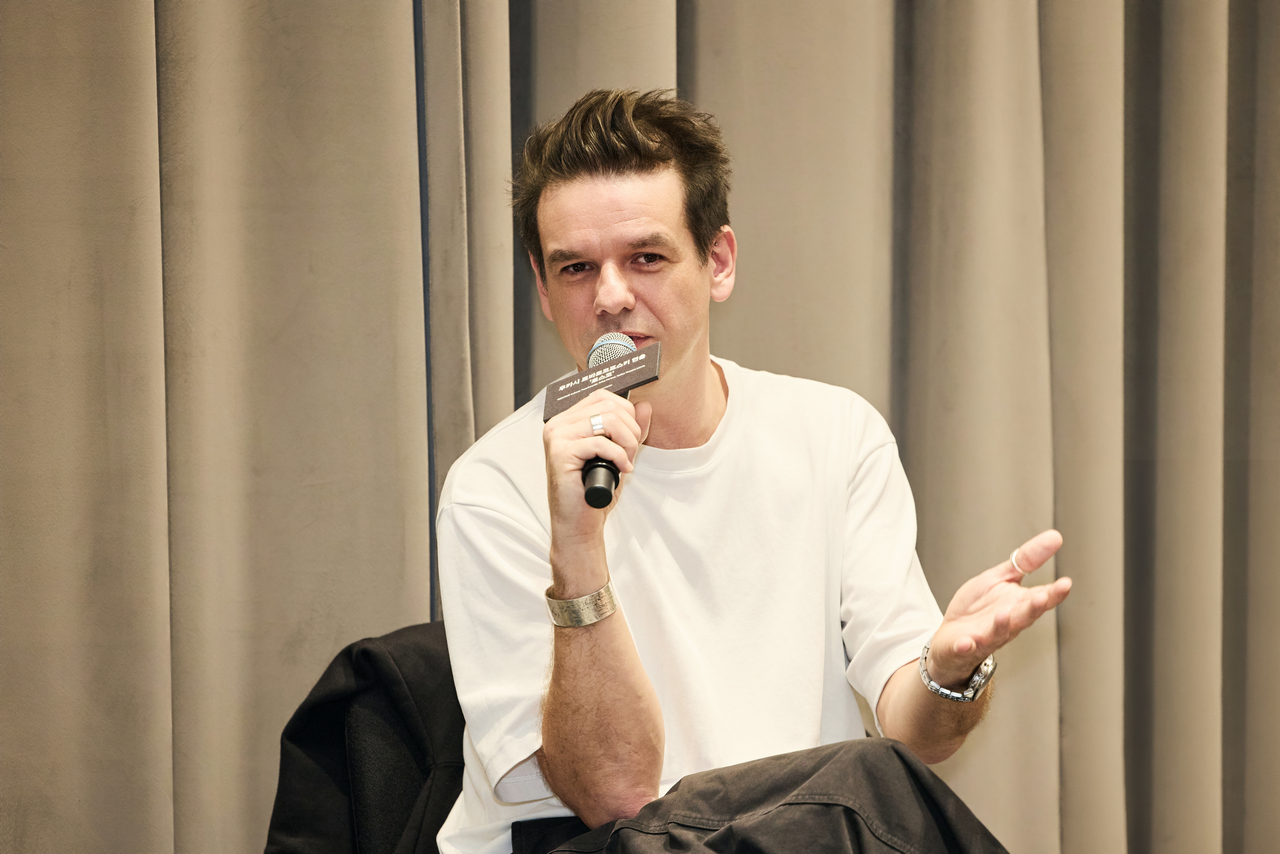
For Twarkowski, neither interpretation necessarily cancels out the other.
"The opposite of a true statement is a false statement, but the opposite of a deep truth is another deep truth," he said, quoting physicist Niels Bohr.
He sees theater as a medium particularly well suited to presenting such contradictions without insisting on a single interpretation.
“I believe that art has the possibility of showing the complexity of certain phenomena without pointing out which one is true,” he said.
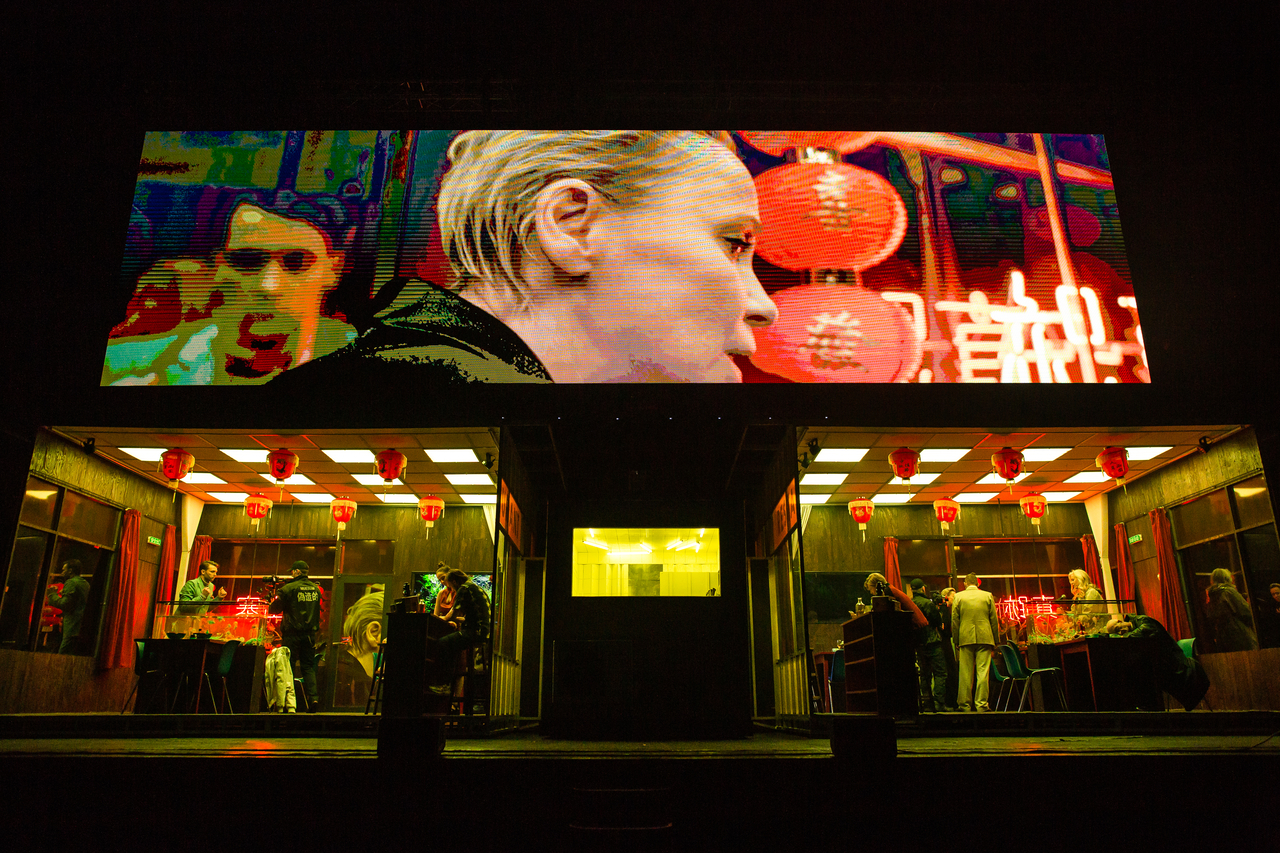
The approach is reflected in the production's extensive use of live video, one of Twarkowski's defining artistic devices. Rather than treating cameras and screens as decorative additions, he uses them as a unique visual language and a cinematic narrative tool. Audiences can watch performers acting onstage while simultaneously seeing close-up, cinematic images of the same actions.
"We are so used to the screen, and there is a certain magic to the cinematographic image that makes you believe that what you see on the screen is more real than what is actually happening onstage in real time," he said. "That tension was very important to me in this production: to see how a certain cinematic fiction can become more real than the real action onstage."
hwangdh@heraldcorp.com