At WDAF 2026, payments chief Naveen Mallela says tokenization could unlock corporate cash and reshape cross-border transactions
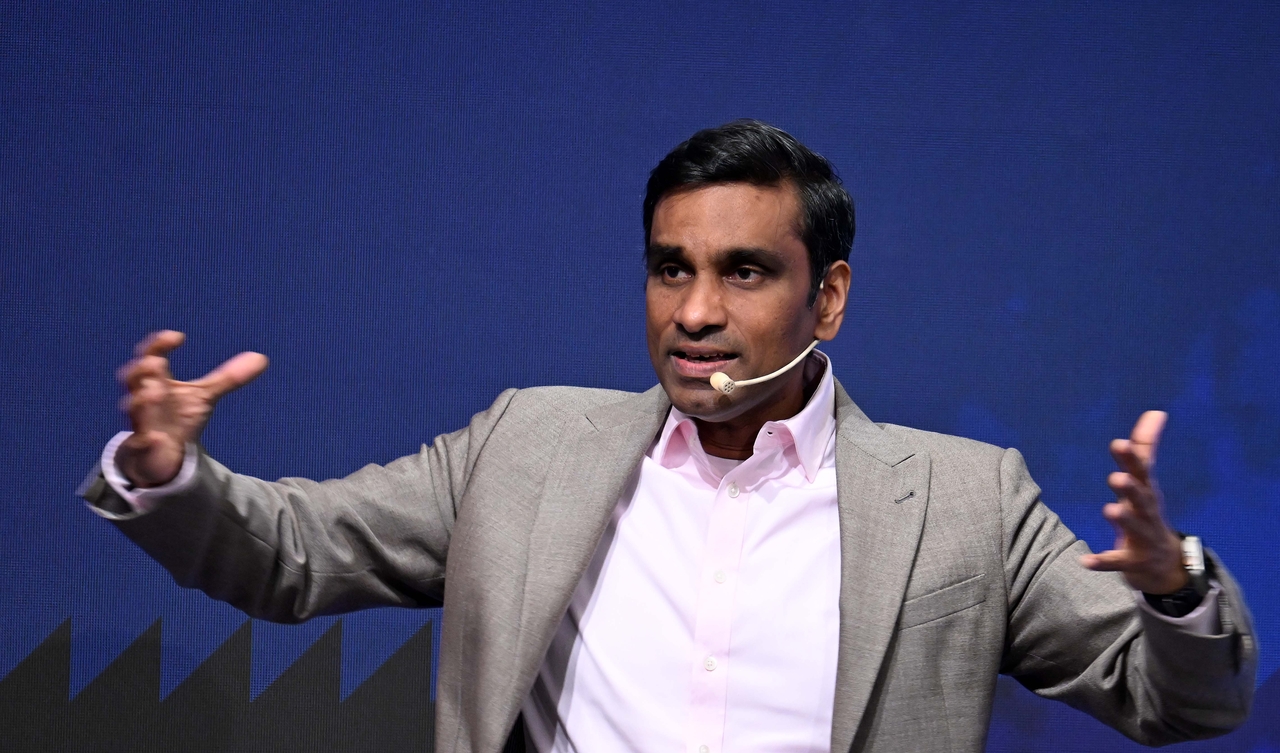
Tokenization could reshape corporate finance by allowing companies to unlock cash from financial assets and make payments in a single process, Standard Chartered's global head of payments Naveen Mallela said Monday.
Delivering a keynote address at the World Digital Assets Forum 2026 in Seoul on Monday, Mallela argued that the biggest opportunity in blockchain-based finance lies not simply in faster payments, but in giving companies access to liquidity when they need it.
"It is about having liquidity at the right place, at the right time and in the right amounts," he said.
While many payment networks already operate around the clock, companies can still face cash shortages when bills come due, even if they hold substantial financial assets.
Corporate treasurers have traditionally had to balance keeping enough cash available for payments against investing surplus funds in assets that may take time to sell. Tokenization could help narrow that trade-off by making it easier to move between different forms of financial assets, Mallela explained.
"You can move between deposits and money market funds and Treasuries within the day," he said.
Mallela described the next stage as "composable finance," in which banks integrate services such as custody, trading and payments into a single process.
For example, a company facing a cash shortfall could borrow against tokenized government bonds and use the proceeds to pay a supplier, potentially without the delays involved in arranging financing separately.
Stablecoins could also reshape the economics of cross-border payments by changing how transaction fees are distributed among financial institutions, he said.
Using a hypothetical example of Hyundai purchasing commodities from Chile, Mallela explained that the Korean company could use stablecoins to transfer funds internationally through fewer correspondent banks.
Instead, a greater share of transaction revenue could flow to financial institutions and service providers handling the conversion of won into digital tokens in Korea and tokens into pesos in Chile.
These providers would also remain responsible for customer identification and compliance with local regulations.
"At every point we have fees. So the value is distributed throughout the chain," Mallela said, adding that with stablecoins, "value is being pushed to the edges."
He noted that previous waves of payment innovation had repeatedly shifted the balance of power in the financial industry.
Banks initially led the transition to electronic payment messaging through networks such as SWIFT. Fintech companies later gained ground as consumers and businesses increasingly adopted online and mobile payments.
Tokenization, however, could give banks an opportunity to reassert themselves by combining financial services they have traditionally operated separately, including payments, custody and trading.
Mallela emphasized that the competitive landscape remains unsettled, with banks, fintech companies and digital asset providers all seeking a role in the emerging system.
"This wave of tokenization, the winner is not yet clear," he said. "There is a real opportunity here in terms of shaping the financial architecture."
jwc@heraldcorp.com