A three-year exchange with Brazil's Pinacoteca de Sao Paulo, is staged in the spirit of Paik's satellite broadcasts
Seoul and Sao Paulo sit almost exactly on opposite sides of the globe, 12 hours apart on the clock, but ours is an age in which even half a planet's worth of distance amounts to just a few taps on a phone.
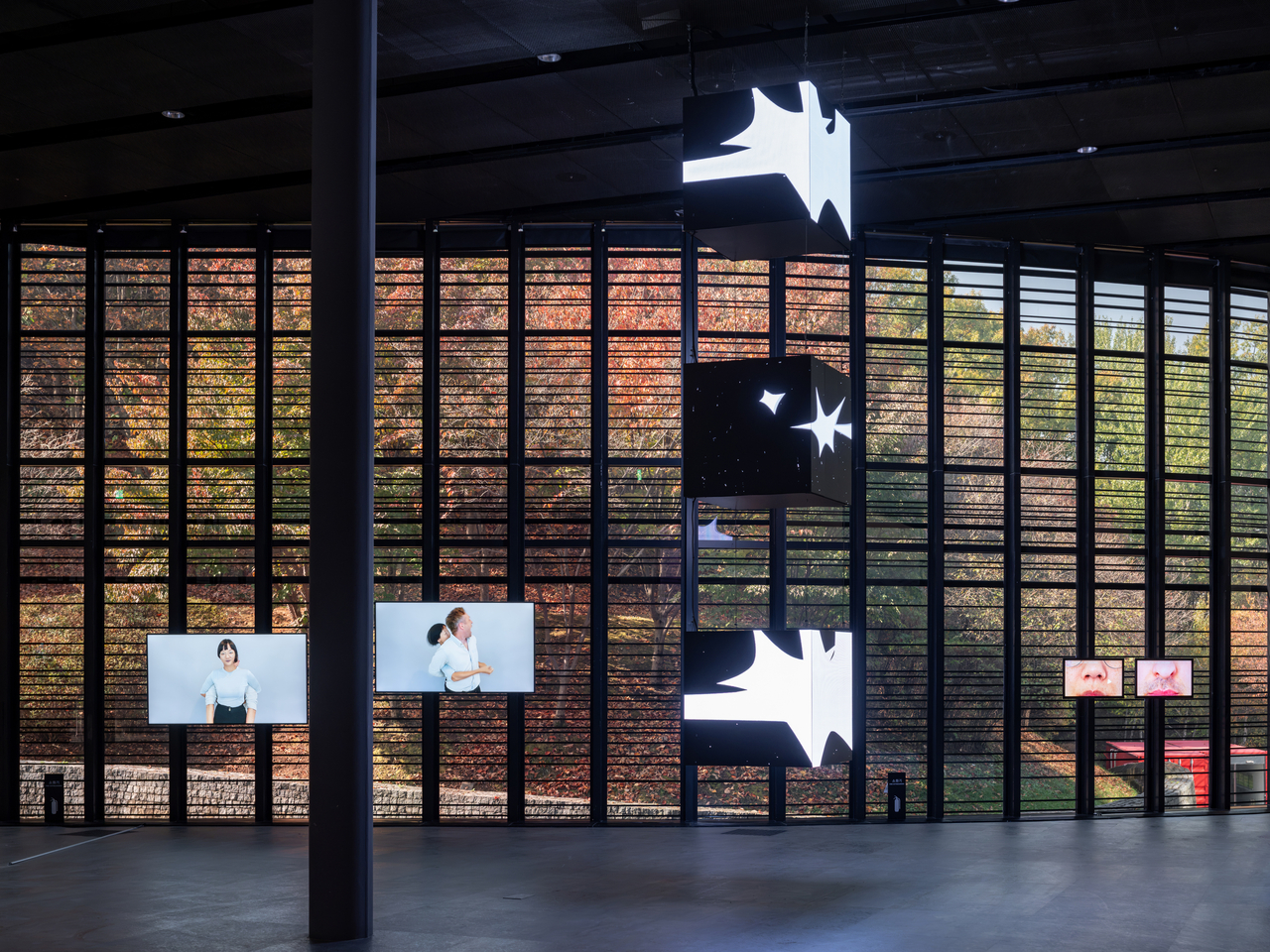
The everyday wonder of instant, borderless connectivity is at the heart of "Hyundai Translocal Series: Via Satellite — Moon, Echo, Mosquitoes, and Memes," which opened Thursday at the Nam June Paik Art Center in Yongin, south of Seoul.
The show grew out of three years of long-distance collaboration with the Pinacoteca de Sao Paulo, the oldest art museum in the Brazilian metropolis, and brings together four artists who work out of four cities on two continents. Each institution is presenting the resulting commissions in its own way, and the Sao Paulo edition, subtitled "Dialogues with Nam June Paik," opens Nov. 28. Backing the project is Hyundai Motor, which has been pairing Korean museums with partners abroad through its Hyundai Translocal Series since last year. A carmaker may seem an unlikely patron of the arts, but in art circles Hyundai is well known for bankrolling large-scale commissions at London's Tate Modern for over a decade.
The show's organizing motif speaks directly to the vision of Nam June Paik, the late polymath and futurist who foresaw the hyper-networked world while it was still the stuff of science fiction. Long before the internet, Paik used satellites to stage live broadcasts that linked cities continents apart, starting with "Good Morning Mr. Orwell" (1984). Twenty years after his death, Paik's namesake museum has taken the show's epigraph from his own writing: a meeting by satellite, Paik wrote in 1987, is "old but new."
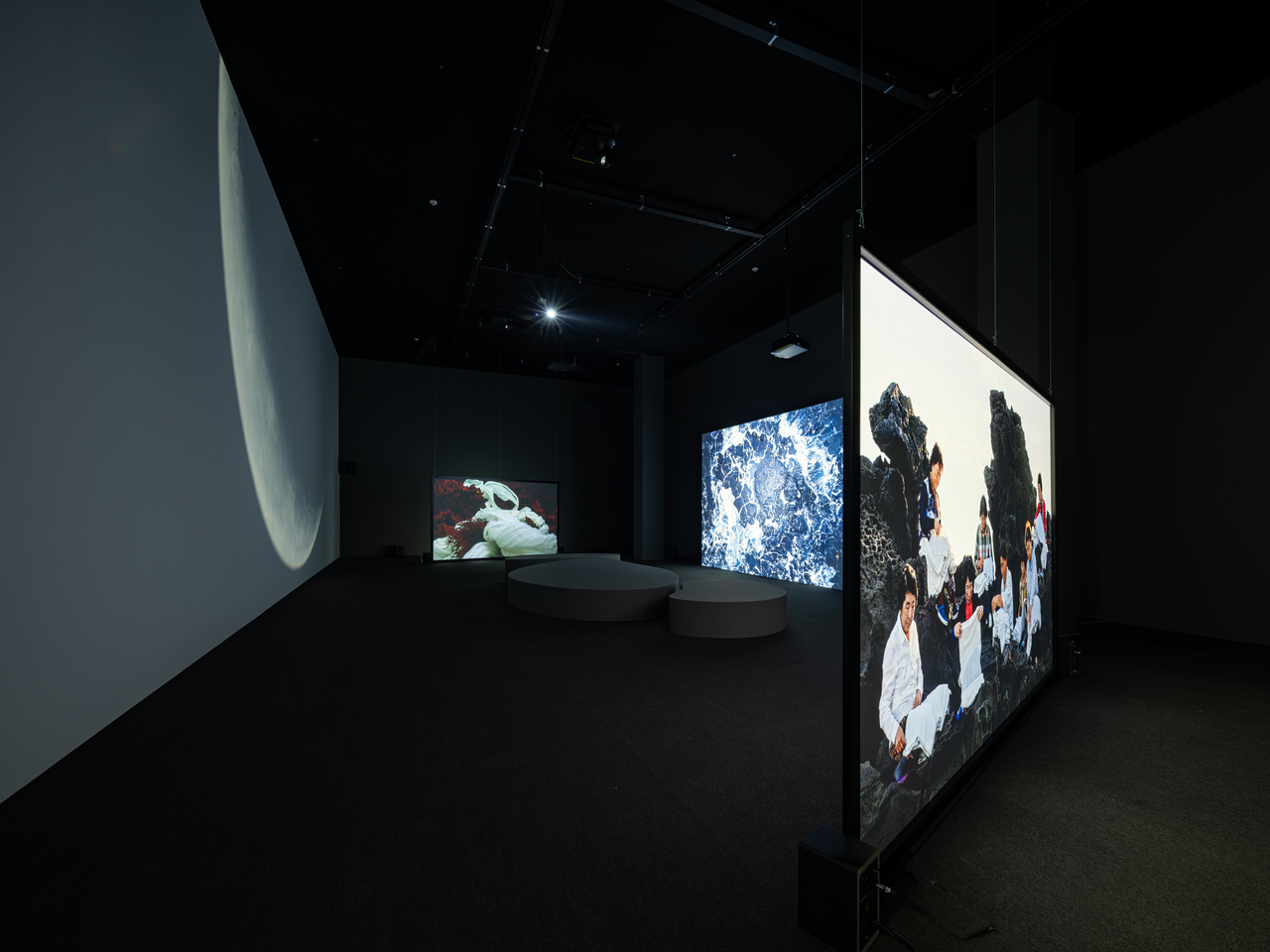
The galleries are dim even by museum standards, likely out of necessity, since nearly everything here is projected or meant to be heard. For "Old Moon – New Moon," Jane Jin Kaisen attached a digital camera to the 1929 telescope at Copenhagen's Rundetaarn, the oldest working observatory building in Europe, and filmed the waning moon in a single take. The moon has fascinated her for years, the artist said, and she credits Paik's "Moon is the Oldest TV" (1965) as an early inspiration. Born on Jeju Island and adopted by a family in Denmark, Kaisen revisits her birthplace in videos of the haenyeo, the island's women divers, who follow the lunar calendar to tell when they can dive.
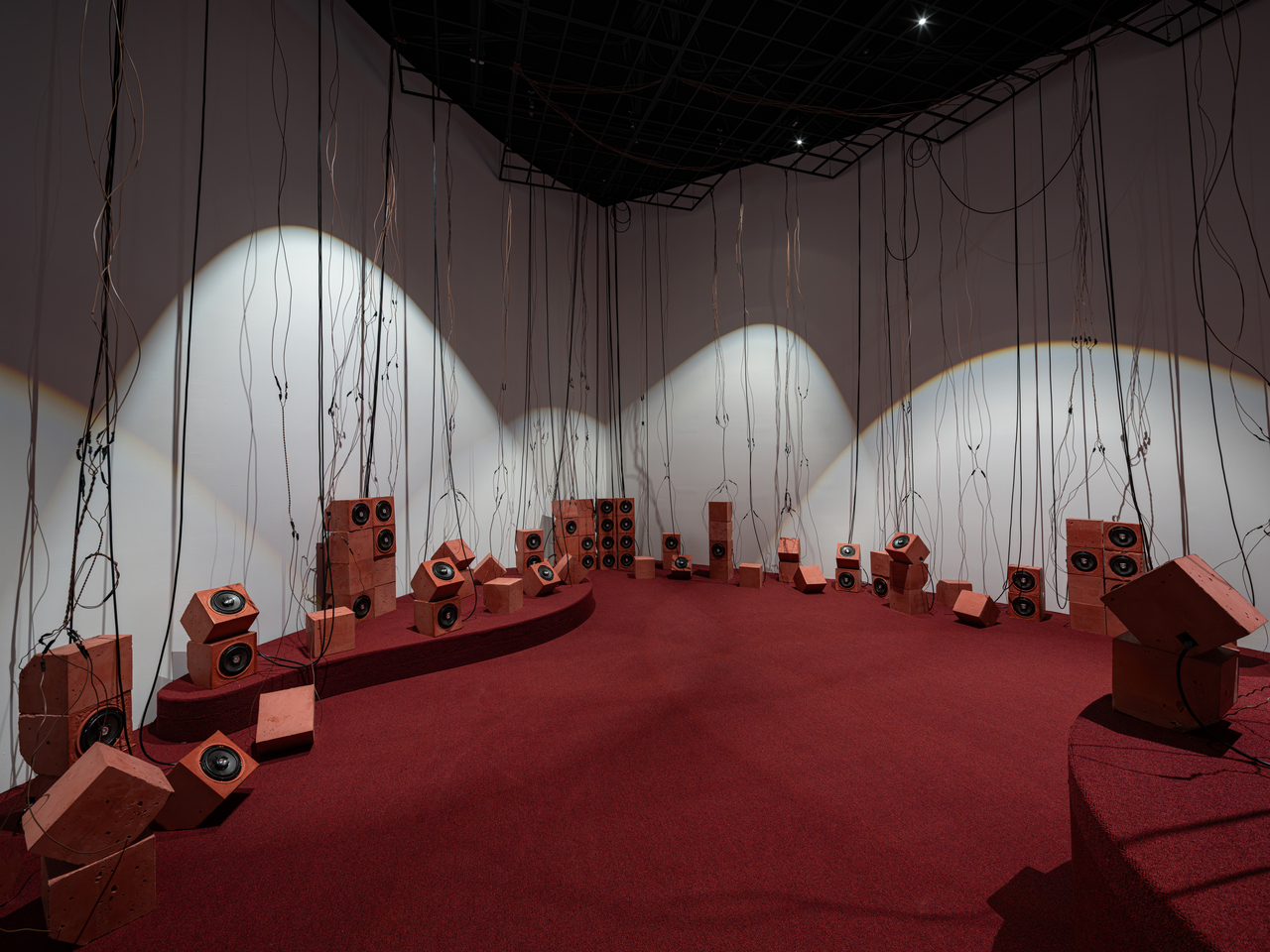
Vivian Caccuri's room is busier. Taking its name from the Greek word for a water clock, her "Clepsydra" is made up of concrete-block speakers that trail cables across the floor and play the sound of blood moving through the veins of six people, recorded with the help of scientists. "Speakers are more than machines — they are somehow humanized by us," the artist said. Sound, in her view, brings people together "whether they like it or not."
The other two artists share the main hall. Of the four, the Brazilian artist biarritzzz comes closest to Paik's video work in format and sensibility. Best known for working with internet memes and GIFs, she turns to samba in "Three Origins of the Word Samba: Jump, Bath, Prayer," a three-channel video made with the Mozambican choreographer Tsumbe Mussundza that traces the dance's name to Portuguese and to Mozambique's Sena language. Nearby, she flips the title of Laurie Anderson's "Language Is a Virus" in neon: "Language is a Vaccine." On the opposite side of the hall, Christine Sun Kim's "Mind Land Mass" covers a wall some 10 meters high with two black masses, drawn from expressions in American Sign Language. Its counterpart, "Land Mind," is on display at the Pinacoteca.
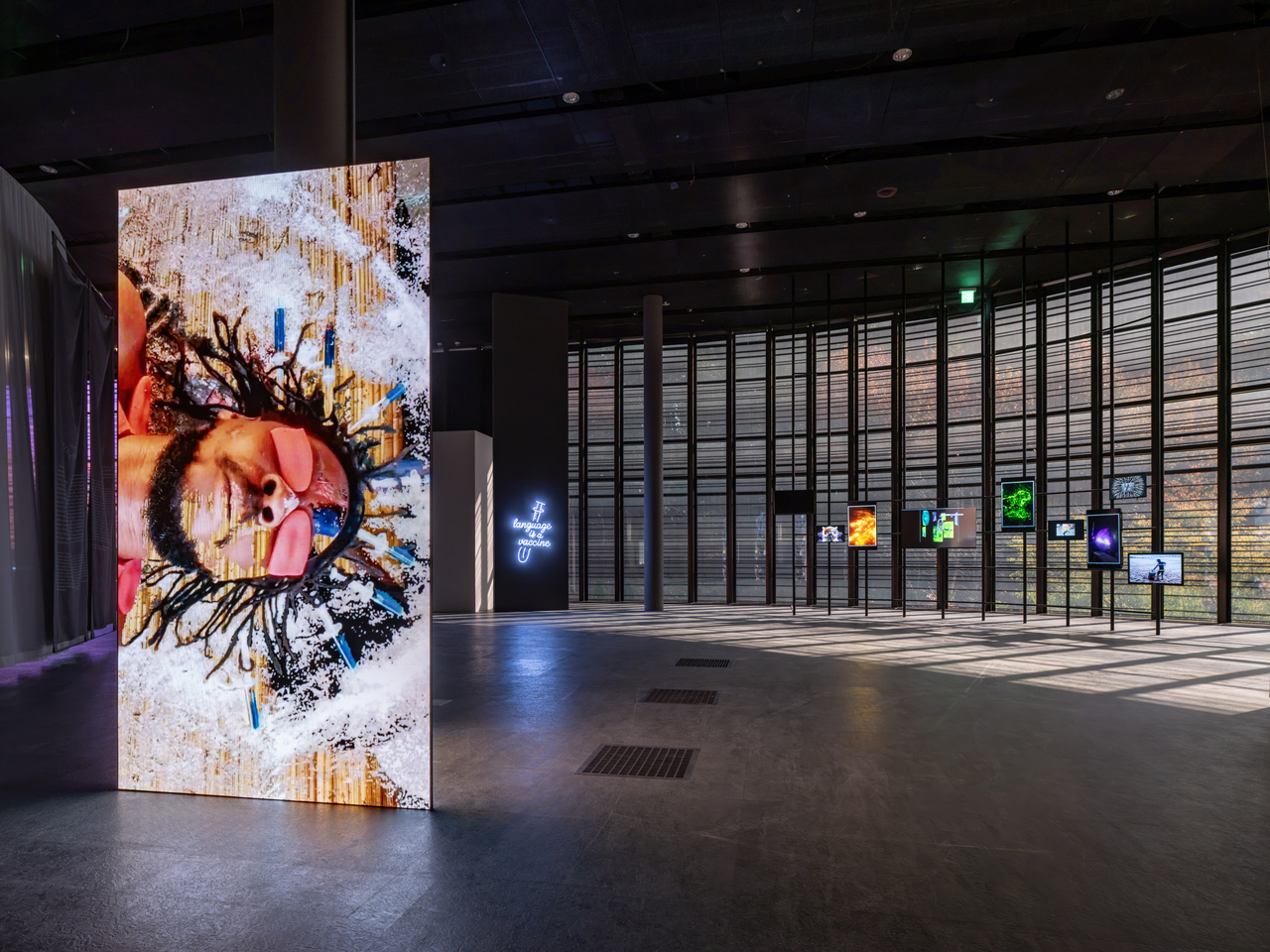
Across the rather motley lineup, the master's imprint is less a matter of aesthetics than of vision. Having coined the phrase "electronic super highway" as early as 1974, the artist imagined a world knit together by media technology across borders and time zones, with his trademark wit and mischief. The works here share his aspiration to bridge different worlds, though most reach past technology to do so, reaching instead for nature, the body and language.
Not that Paik would have minded. He delighted in blurring the line between the natural and the technological, going so far as to set televisions among living plants. As he put it in the title of a 1965 work, the moon is the oldest TV, and the artists here have taken that idea perhaps further than he may have pictured.
"Via Satellite" is at the Nam June Paik Art Center in Yongin, Gyeonggi Province, through March 28. Admission is free.
moonkihoon@heraldcorp.com