LG Energy Solution leads gains as trade barriers squeeze Chinese rivals
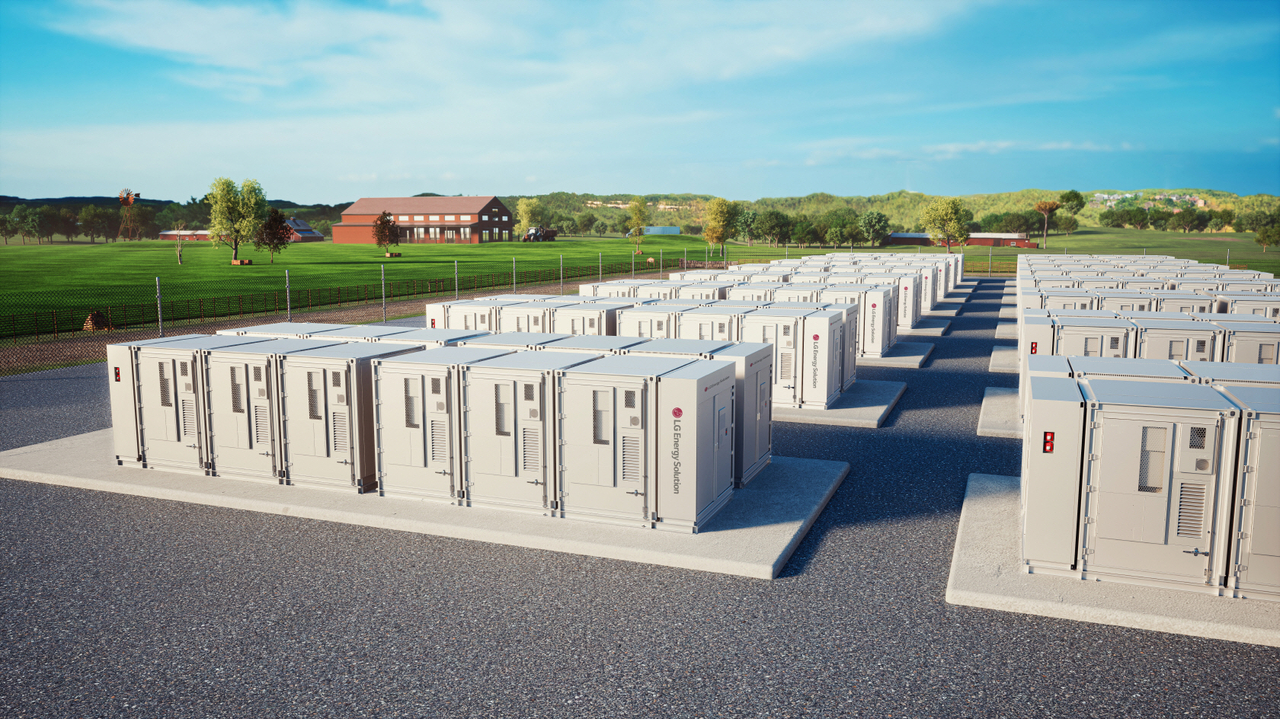
South Korean battery-makers are gaining ground in North America's fast-growing energy storage system market, as tighter trade restrictions on Chinese products create new opportunities for Korean suppliers.
LG Energy Solution and Samsung SDI captured a combined 20.9 percent of the North American ESS battery market in the first nine months of this year, up from 13.4 percent a year earlier, according to market tracker SNE Research.
LG Energy Solution led the gains, with shipments surging 71 percent to 18.4 gigawatt-hours, lifting its market share from 4.8 percent to 15 percent. The company narrowed the gap with Chinese rivals CATL, which held a 37 percent share, and Hithium, at 16.5 percent.
In the third quarter alone, LG Energy Solution shipped 8.1 GWh, overtaking Hithium's 7.1 GWh to become North America's second-largest ESS battery supplier after CATL.
North America accounted for 83 percent of LG Energy Solution's global ESS battery shipments during the January-September period, with grid-scale applications making up 96 percent of its shipments to the region.
Samsung SDI ranked fifth in North America, with shipments rising 17 percent to 7.1 GWh. However, its market share slipped from 8.6 percent to 5.8 percent as its growth lagged behind the broader market.
The company saw stronger momentum in batteries for artificial intelligence data centers, with shipments to the segment jumping 68 percent to 2.8 GWh.
Chinese rival CALB, ranked fourth, recorded just 3 percent shipment growth, sending its market share down from 11.6 percent to 7 percent.
The Korean suppliers' gains come amid a global ESS boom. Worldwide battery shipments surged 73 percent on-year to 779.9 GWh in the first nine months of 2026, driven by rising demand for grid-scale storage and other applications.
Markets outside China, including North America, Europe, the Middle East and Australia, accounted for 59.9 percent of global shipments, underscoring the growing importance of overseas demand.
With production facilities expanding across North America and Europe, Korean battery-makers are seeking to capitalize on the growth while benefiting from trade barriers that make Chinese batteries less competitive in key markets.
hyejin2@heraldcorp.com