Opposition is mounting against South Korea's potential expansion of naval operations near the Strait of Hormuz, as the government weighs strengthening the Cheonghae Unit's mission amid pressure from Washington to contribute to maritime security in the region.
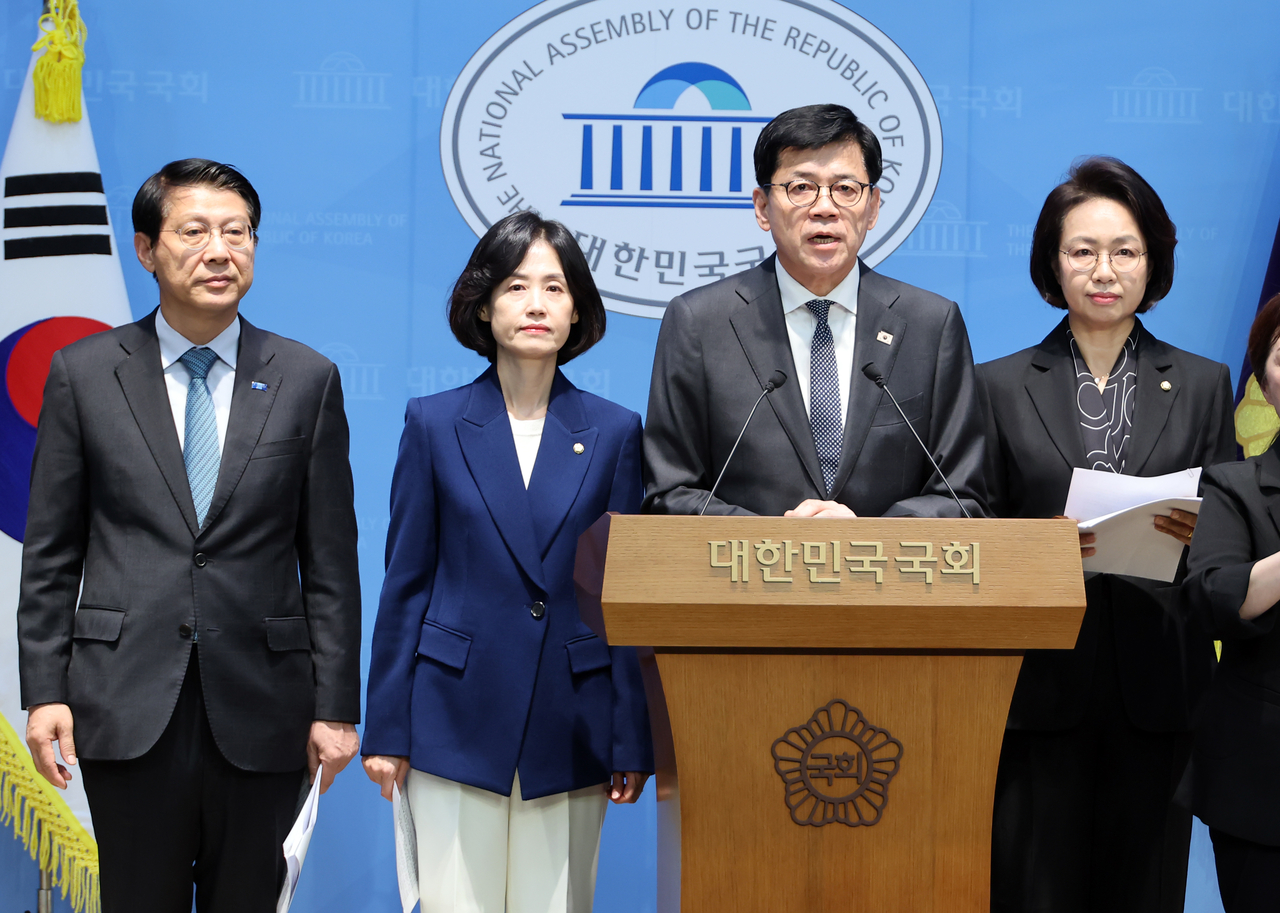
Rep. Kim Joon-hyung, floor leader of the minor left-leaning Rebuilding Korea Party, on Wednesday denounced the proposal, calling it an effective military deployment that could draw South Korea into the ongoing conflict involving the United States and Iran.
"Expanding the Cheonghae Unit's operational area amounts to a troop deployment. It is not a clever solution, but a deceptive workaround," Kim said during a press conference at the National Assembly in Seoul.
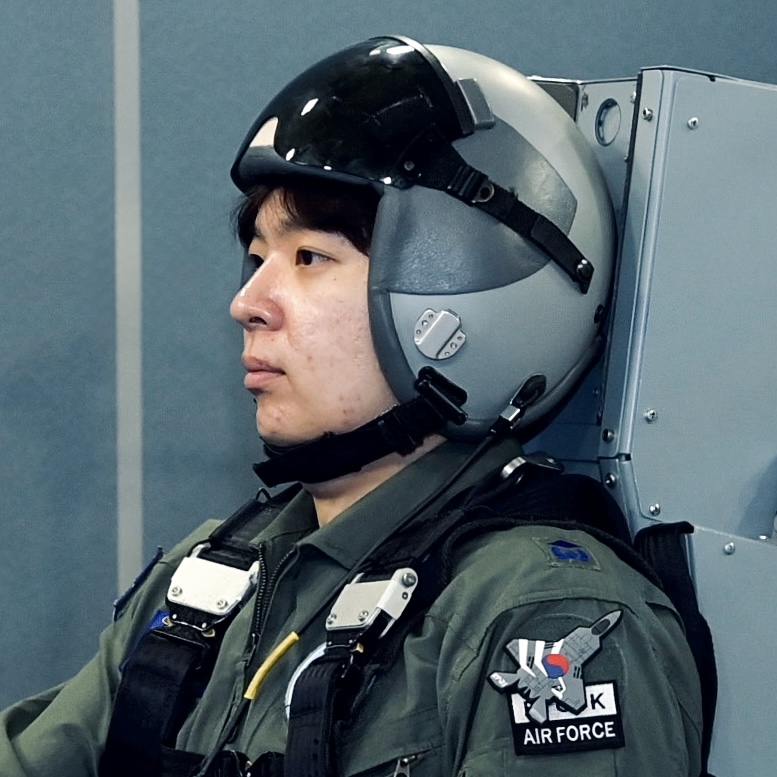
The Cheonghae Unit is a South Korean naval antipiracy task force first deployed to the Gulf of Aden off Somalia in March 2009 to protect merchant vessels from piracy threats. Its deployment is extended annually with approval from the National Assembly.
Kim warned that an expanded mission could expose South Korean forces to Iranian retaliation, even if Seoul insists that its personnel would not participate in combat.
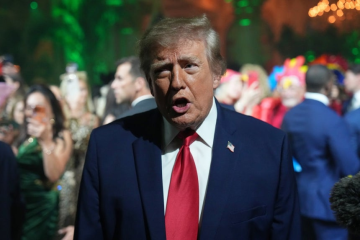
"If (US) President Donald Trump boasts that South Korea was the first country in the world to dispatch troops, we would become the first country to join the Middle East war," he said.
Kim also warned that Seoul could be moving ahead of Washington's actual demands.
"I wonder whether we are exaggerating US pressure ourselves and pushing this decision further than necessary," he posed to reporters.
He also questioned the timing of the discussions with the US midterm elections, held Tuesday, urging the government not to circumvent President Lee Jae Myung's pledge to stay out of the war by expanding the unit's mission.
Kim further urged the government not to include an expanded operational area or additional missions in its annual motion seeking National Assembly approval to extend the Cheonghae Unit's deployment.
His remarks came after national security adviser Wi Sung-lac on Friday said that Seoul was reviewing measures to strengthen and expand the Cheonghae Unit's operations to help restore freedom of navigation through the Strait of Hormuz and protect South Korean vessels.
While stressing that no decision had been finalized, Wi reaffirmed Seoul's commitment to staying out of the war while taking necessary measures to protect merchant vessels, secure crude oil shipments and safeguard South Korean nationals.
A day earlier during a National Assembly audit, Wi also acknowledged that the government had considered deploying maritime patrol aircraft to help ensure freedom of navigation through the strait, though he said no decision had been made.
The potential expansion has drawn particular attention amid growing concerns over strains in the South Korea-US alliance, as further disagreements between the allies could complicate Seoul's efforts to regain wartime operational control from Washington before Lee's term ends in 2030.
The main opposition People Power Party has criticized such a plan, accusing the government of sending mixed signals over its commitment to stay out of the conflict.
On Oct. 17, People Power Party spokesperson Rep. Park Sung-hoon questioned why Seoul was considering expanding the unit's mission despite Lee's pledge against military involvement.
"Does avoiding the word 'deployment' make the military risks disappear?" Park asked, demanding clarification on whether separate parliamentary approval would be required.
The ruling Democratic Party of Korea rejected the criticism, saying the government had made no decision.
"President Lee has already made clear that there will be no troop deployment involving the war," Democratic Party spokesperson Rep. Kim Sung-hoi said, accusing the main opposition party of fueling unnecessary public anxiety.
flylikekite@heraldcorp.com