The United States conducted defensive strikes on Iranian targets in the Strait of Hormuz on Monday, a US official said, as diplomatic efforts continued to avert another major escalation between Washington and Tehran.
The official, who was not authorized to comment publicly and spoke on condition of anonymity, said Iranian forces using surface-to-air missiles against US assets were targeted.
Iranian state television reported explosions on Qeshm Island.
The strikes appeared limited rather than a full return to hostilities and came on the eve of US midterm elections. President Donald Trump had previously said the United States would not launch strikes on Iran before the elections.
Vice President JD Vance told reporters earlier Monday that he had spoken with Trump about negotiations with Iran and that "the president and I both feel pretty good about the prospects for potentially coming to a negotiated settlement."
Iran said Monday it had a two-day plan to reopen the Strait of Hormuz and resume nuclear talks with the United States if Washington meets its demands.
Iran previously said the plan could be implemented within a week if the US met seven conditions, including lifting its blockade on Iranian ports. Iran now says ships passing through the reopened strait would have to follow a route agreed upon by Iran and Oman.
Iranian officials have also said the United States must lift sanctions on Iranian oil sales and agree to a ceasefire that would include Lebanon.
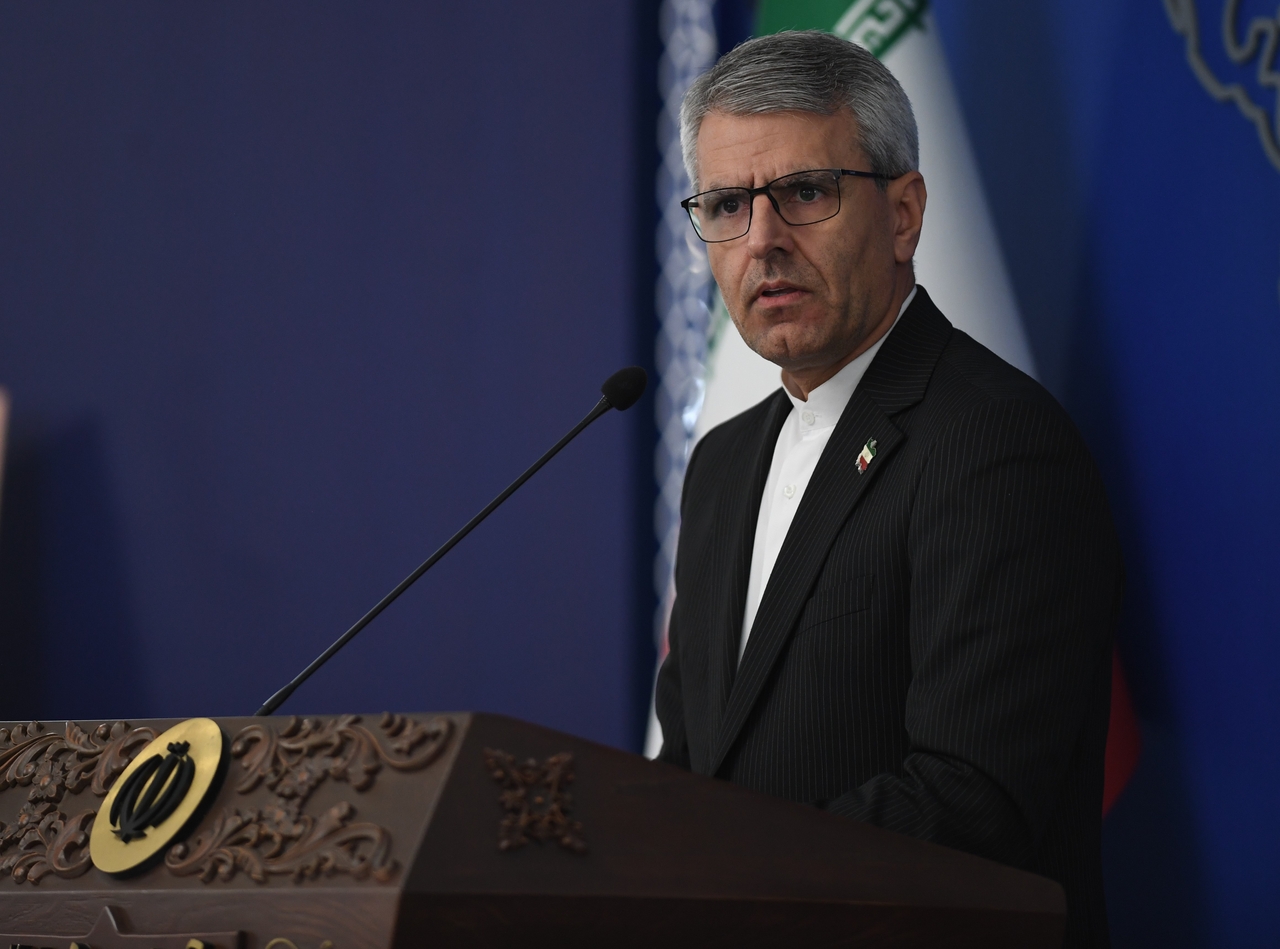
Foreign Ministry spokesperson Esmail Baghaei said the proposal remained the basis for negotiations with Washington through mediators despite the shorter implementation timeline.
"This once again demonstrates Iran's good-faith approach," he said.
At the same time, Israeli Prime Minister Benjamin Netanyahu is urging the Trump administration to carry out another wave of strikes on Iran after Tuesday's US midterm elections, according to two regional officials and a third person familiar with the matter.
The regional officials said mediators are trying to advance a framework under which Iran would halt its attacks in the Strait of Hormuz in return for the United States lifting its blockade on Iranian ports.
More talks are planned this week, they said. The officials spoke on condition of anonymity because they were discussing classified briefings from American and Israeli officials.
Netanyahu pressed for strikes during a weekend call with Trump, who would not commit to military action, according to a person briefed on the conversation.
Other US allies in the Middle East are warning against further strikes, saying they would destabilize the region, a regional official said.
The Israeli government did not immediately comment. The White House did not directly respond to questions about the weekend discussion.
A vessel transiting the Strait of Hormuz was struck by an "unknown projectile" that left a hole in the vessel, the United Kingdom Maritime Trade Operations center said Monday. All crew members were reported safe.
Iran has claimed attacks on vessels it says took unauthorized routes, while other vessels have reportedly struck mines laid by the Islamic Republic in the early days of the war. The US military denies the naval mine claims, saying all internationally recognized routes have been cleared by US forces.
Elsewhere in the region, Yemen's Iran-backed Houthi rebels accused Saudi Arabia of striking a port along Yemen's Red Sea coast and setting fire to ships.
The Houthi-run Health Ministry also said explosives hit a market in southwestern Yemen, killing seven people, including five children, and wounding eight others.
Saudi authorities did not immediately comment. The Associated Press could not independently verify the claims.
The Saudi-backed Yemeni military, meanwhile, said a Houthi missile struck a medical center in Lahij province near the Bab el-Mandeb Strait, killing at least five people and wounding 15 others.
Another Houthi attack on a public market in Aqroudh village killed or wounded 26 people, the Yemeni Human Rights Ministry said, without providing a breakdown.
China said Monday it plans to send a special envoy to Iran, Oman and Saudi Arabia in early to mid-November. Foreign Ministry spokesperson Mao Ning said the envoy would focus on easing tensions and promoting regional stability.
In the occupied West Bank, the Israeli military said it ended an operation in Hebron that began last month after two Palestinian gunmen killed two Israeli soldiers.
The military said it demolished the gunmen's residences and confiscated weapons and illegal vehicles.
The operation displaced hundreds of Palestinians, who began returning home Monday as some Israeli forces withdrew. In Deir Bahha, some residents found their homes damaged in military raids.