
Telling a female employee who has requested time off to “have your husband look after the child” constitutes workplace harassment, a Seoul court recently ruled.
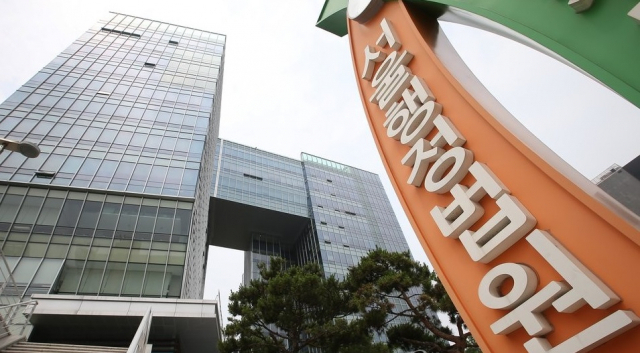
The Seoul Administrative Court upheld a local district office’s decision to impose a one-month pay reduction on a senior official, and dismissed her lawsuit seeking to overturn the disciplinary measure, according to legal sources on Sunday.
A personnel committee at the district office in Seoul initially imposed a two-month pay reduction on the official over multiple instances of workplace harassment, according to court documents.
The official appealed the decision, and a Seoul Metropolitan Government appeals review committee subsequently reduced the penalty to a one-month pay cut.
The official was accused of making abusive remarks toward several employees.
During a work-related briefing, she told one employee, “Don’t try to explain yourself to me.” She also accused another employee of arriving late, asking, “You came in late. What time did you arrive?” despite the employee having arrived on time.
Regarding the first remark, the court found that it exceeded the bounds of legitimate workplace instructions.
“The statement criticizes the employee’s manner of speaking and prevents further reporting or explanation, exceeding what is acceptable in the workplace,” the court said. “It would have placed undue pressure on the employee and negatively affected the working environment.”
The court also found that the second remark placed pressure on the employee to arrive before official working hours.
In another instance, the official told a female employee who sought to use annual leave to care for her child to “have your husband look after the child.” The court found that the remark discouraged the employee from exercising her right to take annual leave for a legitimate reason.
The senior official argued that her remarks were intended to address repeated failures to follow instructions and poor work management, or were merely part of ordinary workplace conversations.
The court, however, rejected her arguments, finding that the remarks constituted workplace harassment when considered in context.
The official also claimed that she had been forced to take leave during the personnel committee’s investigation, limiting her opportunity to defend herself.
The court dismissed the claim, finding no procedural irregularities in the investigation.
“The disciplinary measure cannot be considered excessive, given the public interest in maintaining discipline within the civil service by preventing workplace harassment,” the court said.
seungku99@heraldcorp.com