

A Nasdaq-style classification to distinguish market leaders from their less competitive peers
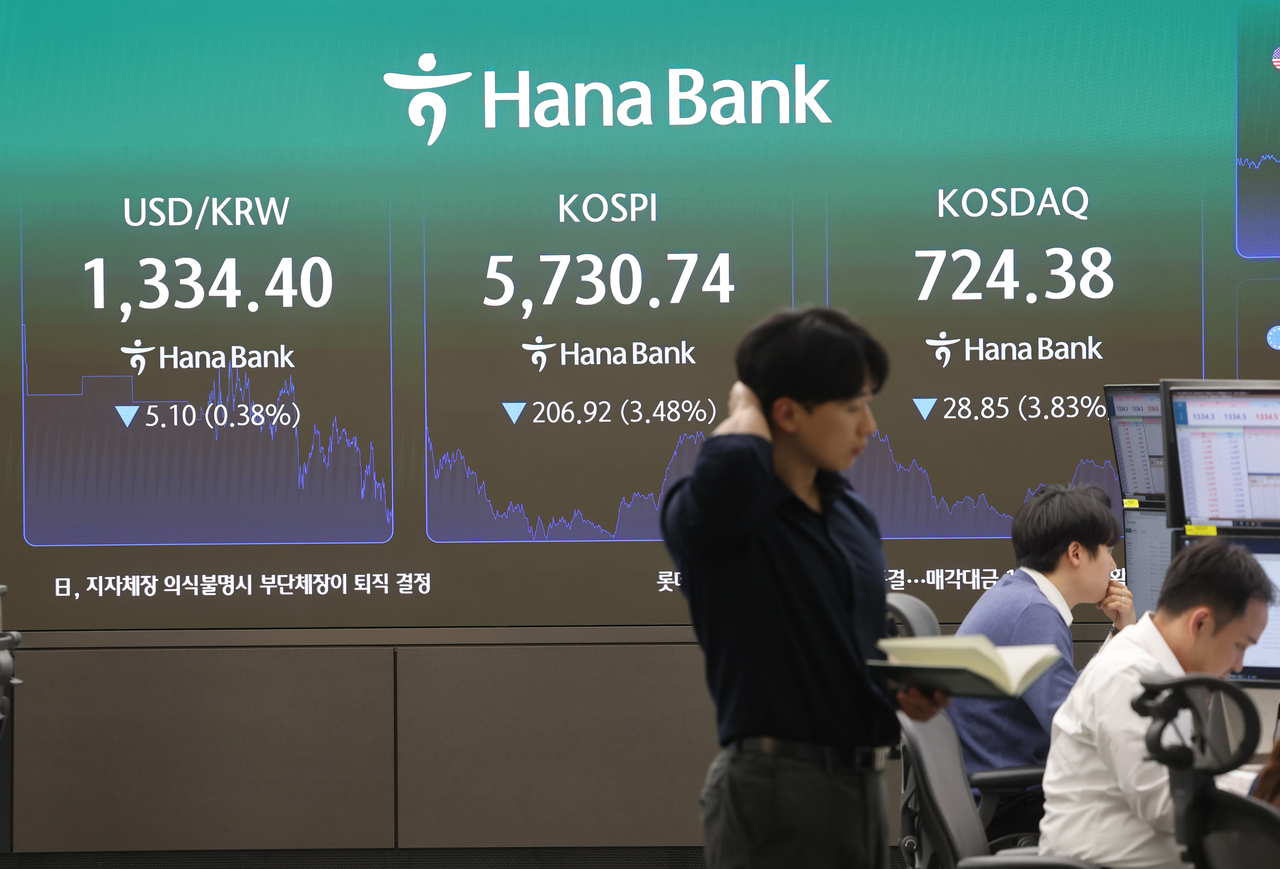
The Korea Exchange seeks to introduce a tiered system for the Kosdaq, drawing on Nasdaq's model to distinguish high-quality companies. The system could launch in the second half of next year at the earliest, pending companies' annual results.
The KRX is considering dividing Kosdaq-listed firms into upper and lower tiers, financial industry sources said Friday. The upper tier, tentatively named the "Select Segment," would include companies meeting quantitative criteria, including financial performance.
The plan draws on Nasdaq's three tiers of listing for companies, introduced in 2006: the Global Select Market, Global Market and Capital Market. The KRX is considering premium, standard and watchlist segments, each with separate admission and maintenance criteria.
"Before Nasdaq introduced the system, many companies moved to the New York Stock Exchange. The trend later reversed, with some flocking to Nasdaq from the NYSE," a KRX official said.
"Leading biotech and AI companies need to join the upper tier and set an example. The Kosdaq carries more risk than the Kospi, so it must offer returns that justify that risk," the official said.
The premium segment would target large, mature companies. Eligibility would depend on market capitalization, revenue, earnings and corporate governance, rather than a fixed number of companies.
The standard segment would cover growth-stage firms. The KRX is considering expanded disclosures on growth plans, earnings forecasts and preliminary results. Companies at risk of delisting or facing trading risks would be placed in a separate watchlist segment.
"We will not set a fixed limit, such as 100 or 120 companies," the official said. "The upper tier may initially account for 10 percent of listed firms, but we hope to raise that share to 30 percent as more companies grow and move up."
The KRX expects to set detailed criteria after companies report their annual results in April next year.
"Fiscal performance is one of the key quantitative indicators," the official said. "If we begin work after the April results, the system could launch in the second half of next year at the earliest."
The plan has raised concerns that capital could concentrate in the upper tier, leaving lower-tier firms short of funding. The KRX is considering policy funding and investment incentives to support them.
"We are concerned that firms left in the lower tiers could face funding gaps," the official said. "We are reviewing how to differentiate the system from the Kosdaq 150 Index, provide policy funding and offer incentives to investors."
Specific details, including tax benefits, have yet to be decided. The KRX plans to consult industry participants on the criteria and support measures.
ch0221@heraldcorp.com



