
Global Business Forum explores blockchain as ‘internet of money,’ and what a won stablecoin could mean for Korea
Blockchain could let money move as easily as email, but Korea still has legal groundwork to lay before stablecoins and tokenized securities go mainstream, experts said Wednesday.
The experts shared their views at a forum on the future of digital payments, hosted by Herald Media Group at the Ambassador Seoul Pullman hotel in central Seoul as part of its Global Business Forum.
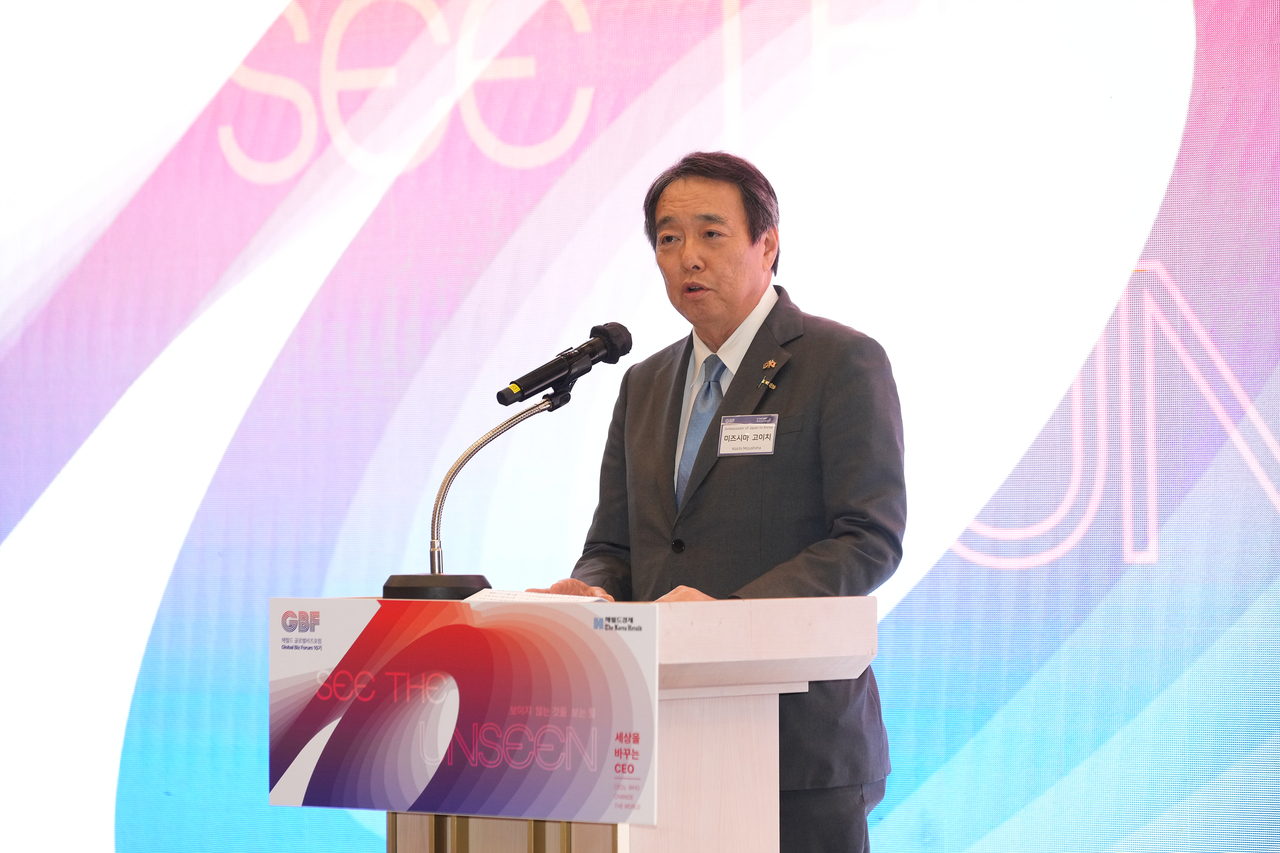
Japanese Ambassador to Korea Koichi Mizushima opened the evening by recognizing the warming ties between Seoul and Tokyo. He noted that Prime Minister Sanae Takaichi and President Lee Jae Myung had met four times since the former took office last October, including visits to each other's hometowns.
“Now that ‘shuttle diplomacy’ has become routine, we’re only at the starting point,” Mizushima said, referring to frequent alternating visits by the two leaders. "Now it is time to move on to deeper cooperation, where we tackle the challenges facing the region and the world together, from energy and the economy to security."
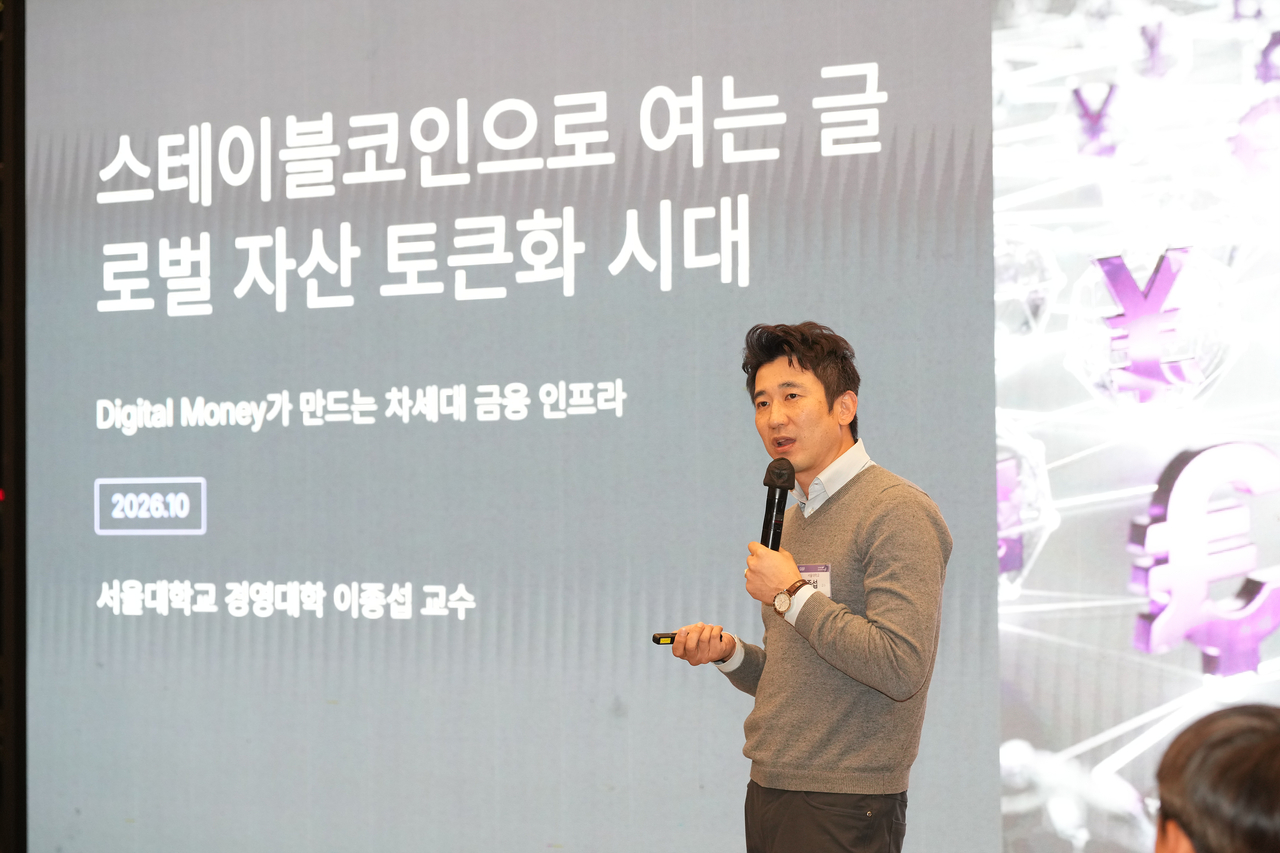
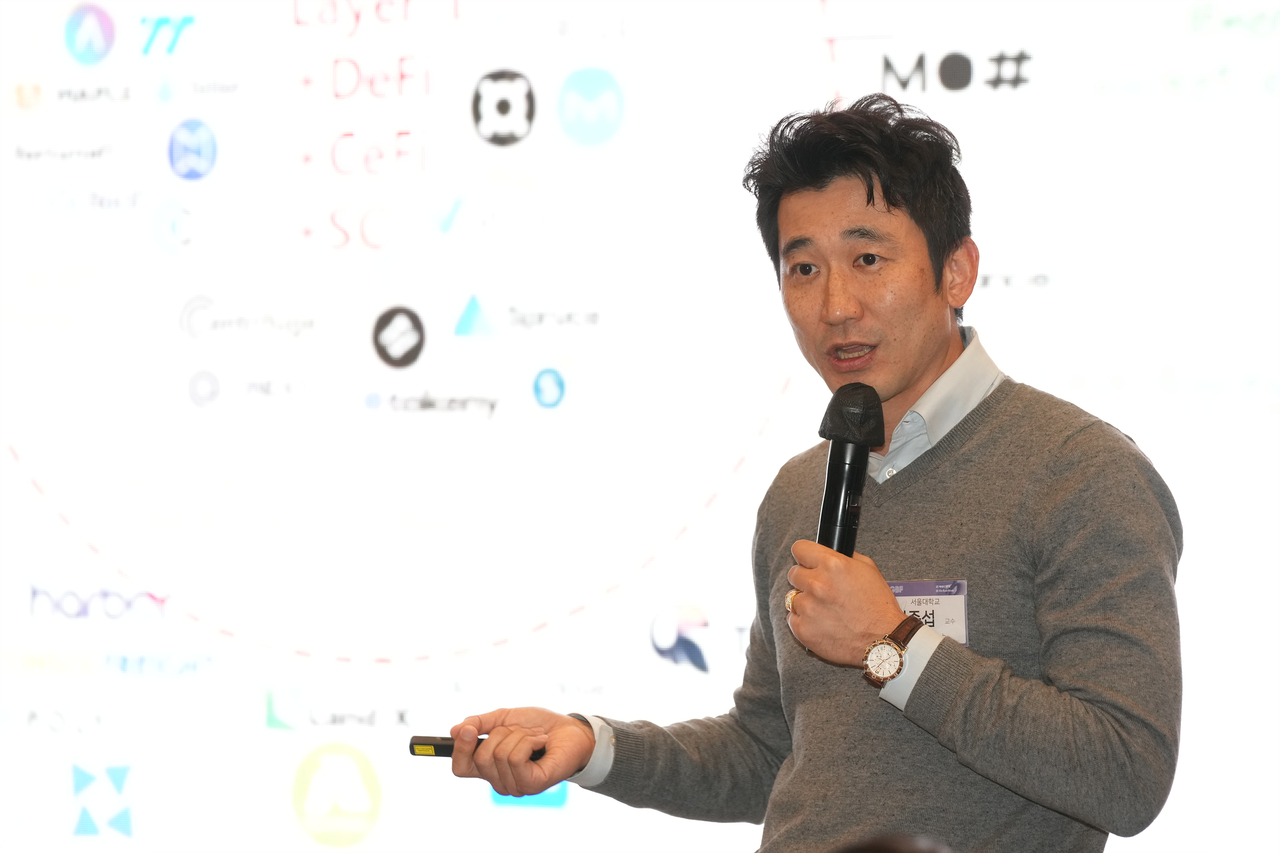
Lee Jong-sub, professor of finance at Seoul National University, then explained how blockchain technology works. He compared it to an email thread that works as a kind of ledger, calling the system an "internet of money." A banknote, he said, works the same way.
"A dollar bill is worth what it is only because of the data printed on it, a unique serial number issued by the central bank" he said. "We trust the government's promise. The piece of paper just carries that data."
Cryptocurrencies like Bitcoin are prone to price swings because they are encrypted serial numbers with nothing behind them. Stablecoin issuers such as Tether and Circle aim to fix that by backing each token with dollar deposits or US Treasurys. Bonds and stocks can be tokenized along the same lines, Lee said.
Kim Ik-hyun, a partner at law firm Yulchon, outlined how Korea's crypto policy has changed over the years. In 2017, regulators were looking to stamp out crypto; these days, they’re trying to bring it into the fold.
Revised securities laws, passed by the National Assembly in January, will allow token securities starting early next year. Regulators also laid out a three-step road map in September that culminates with on-chain settlement in the form of stablecoins.
To get there, Park said, Korea first needs to pass a digital asset law that makes stablecoin payments legally valid. It also requires a won-pegged stablecoin issued in Korea, a digital token backed by safe assets that can always be cashed out for won.
"It's less about competing with dollar stablecoins overseas to gain the upper hand," he said. "If Korea's financial markets are reorganized around on-chain systems, people here need a won stablecoin they can use as a basic means of payment. Only then can the domestic market develop properly on-chain."
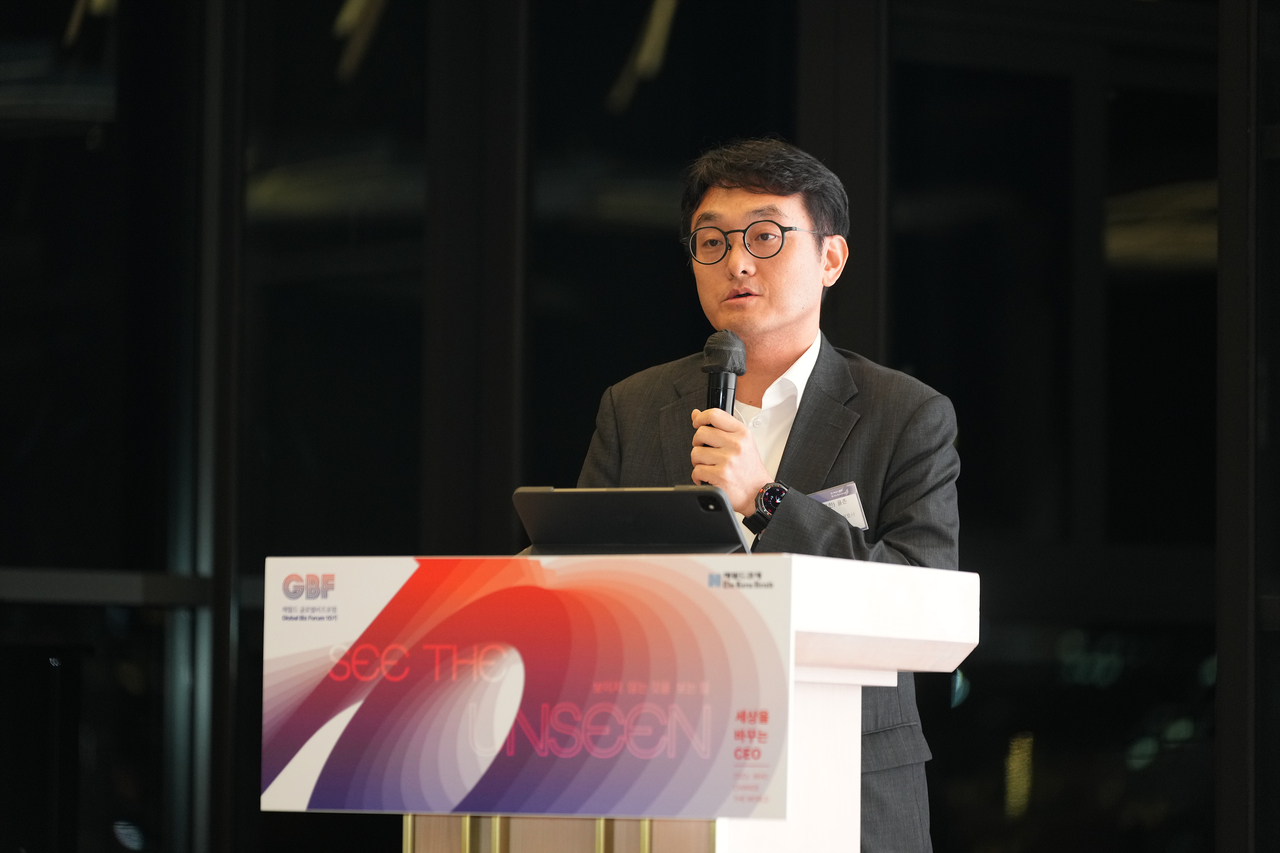
In the roundtable that followed, Lee said policymakers here now grasp the technology much better. The sticking point, however, is knowing who owns a wallet. Anyone can create a wallet on their own, and no entity can tell who is behind the transaction the way a bank does with ID checks.
"If you can't tell for sure who owns a wallet, it's hard to tell whether the money flowing through it is legitimate," he said. "That makes it hard to bring into the mainstream."
Kim added that making cross-border deals with stablecoins is still years away. While some companies want this as a hedge against currency swings, Korea's foreign exchange rules have yet to catch up. It was only in June that registered crypto firms had to start flagging coin transfers going overseas.
Asked whether dollar stablecoins could weaken the won, Lee pointed out that Koreans now have to trade their won for dollars to use blockchain finance.
He suggested a hybrid structure to keep the won from losing ground: tokenized bank deposits serving people at home on the one hand, and a won-pegged stablecoin letting foreigners pay for Korean goods and services on the other.
"As long as we keep at least the minimum won-to-dollar ratio on-chain, I don't think the won will suddenly shrink because of this," Lee said.
Kim closed with advice for the executives in the room. Now that financial firms are looking to offer tokenized financing to manufacturers and retailers, companies that don’t adopt a stablecoin infrastructure may find it harder to do business.
"Whatever field your business is in," he said. "We're now in an era where you need crypto awareness."
moonkihoon@heraldcorp.com