
Korea Herald correspondent
TALLINN, Estonia — South Korea's defense industry rode into Europe on fast deliveries, competitive prices and a deep arsenal of conventional weapons, but it may now need to recalibrate that formula as European militaries shift their focus toward drones, air defense and other capabilities shaped by the war in Ukraine.
K-defense gained momentum after Russia's invasion of Ukraine exposed gaps left by decades of post-Cold War downsizing in Europe. While many European countries reduced weapon inventories and production capacities, South Korea continued developing and producing tanks, artillery and missiles in the face of persistent military threats from North Korea.
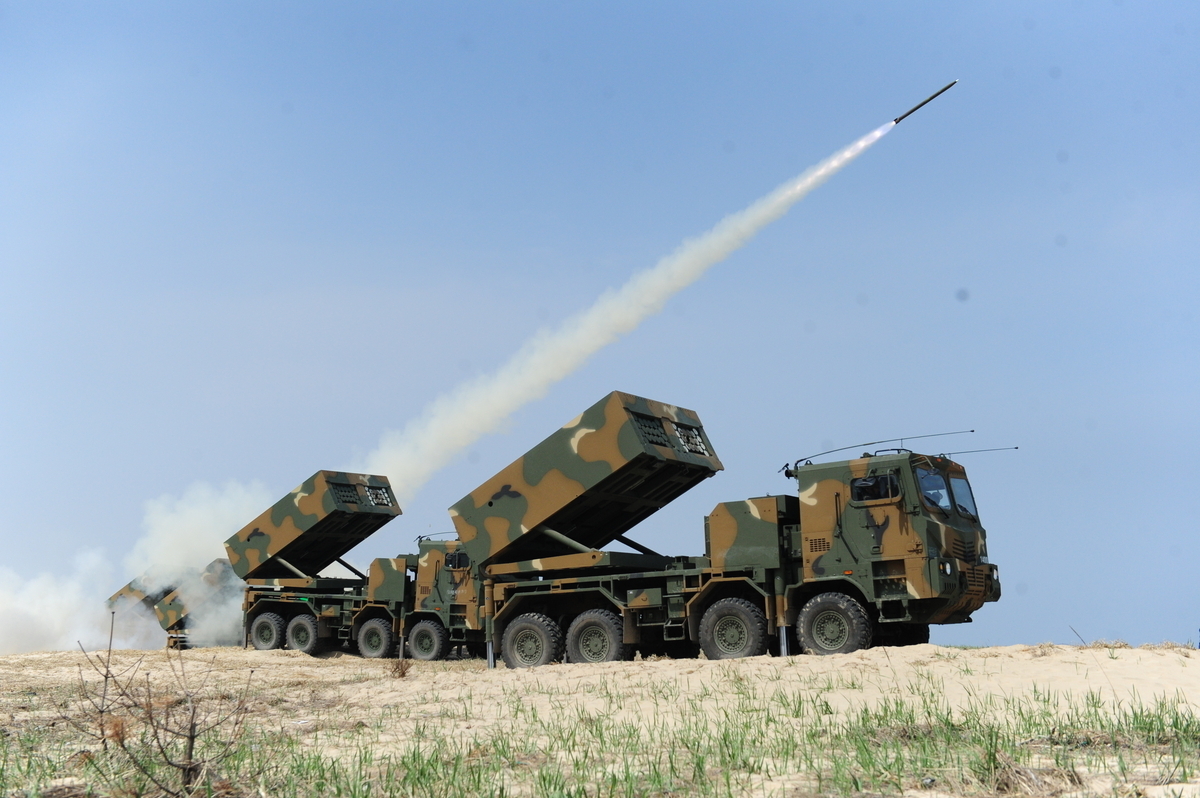
Korean companies were able to help fill Europe's urgent capability gap with systems already in production that could deliver relatively quickly. Poland, Norway, Finland and Estonia now operate K9 self-propelled howitzers, and Poland has also placed major orders for K2 tanks and Chunmoo multiple rocket launchers.
But that initial momentum may be becoming harder to sustain as European governments move beyond emergency replenishment and reassess what forces they need on battlefields increasingly dominated by drones and other unmanned systems.
Changing needs
Earlier this year, Estonia scrapped plans for a new infantry fighting vehicle program estimated at around 500 million euros ($561 million), despite Hanwha Aerospace's push to sell its Redback vehicle alongside an investment package worth roughly 100 million euros.
Tallinn instead decided to upgrade its existing CV90 fleet and redirect resources toward other military priorities.
The decision does not mean armored vehicles have lost their relevance. Estonia continues to invest heavily in conventional firepower and already operates Korean K9 howitzers and has ordered Chunmoo multiple rocket launchers.
However, the episode shows that a sophisticated platform, competitive delivery schedule and even a substantial local investment package may not be enough if the offer does not align with a customer's changing operational priorities.
Estonia's defense budget this year stands at 2.4 billion euros, up 42 percent from a year earlier and equivalent to 5.4 percent of GDP. About 1.27 billion euros has been allocated for defense procurement, while 3.4 billion euros is planned for ammunition purchases between 2025 and 2029.
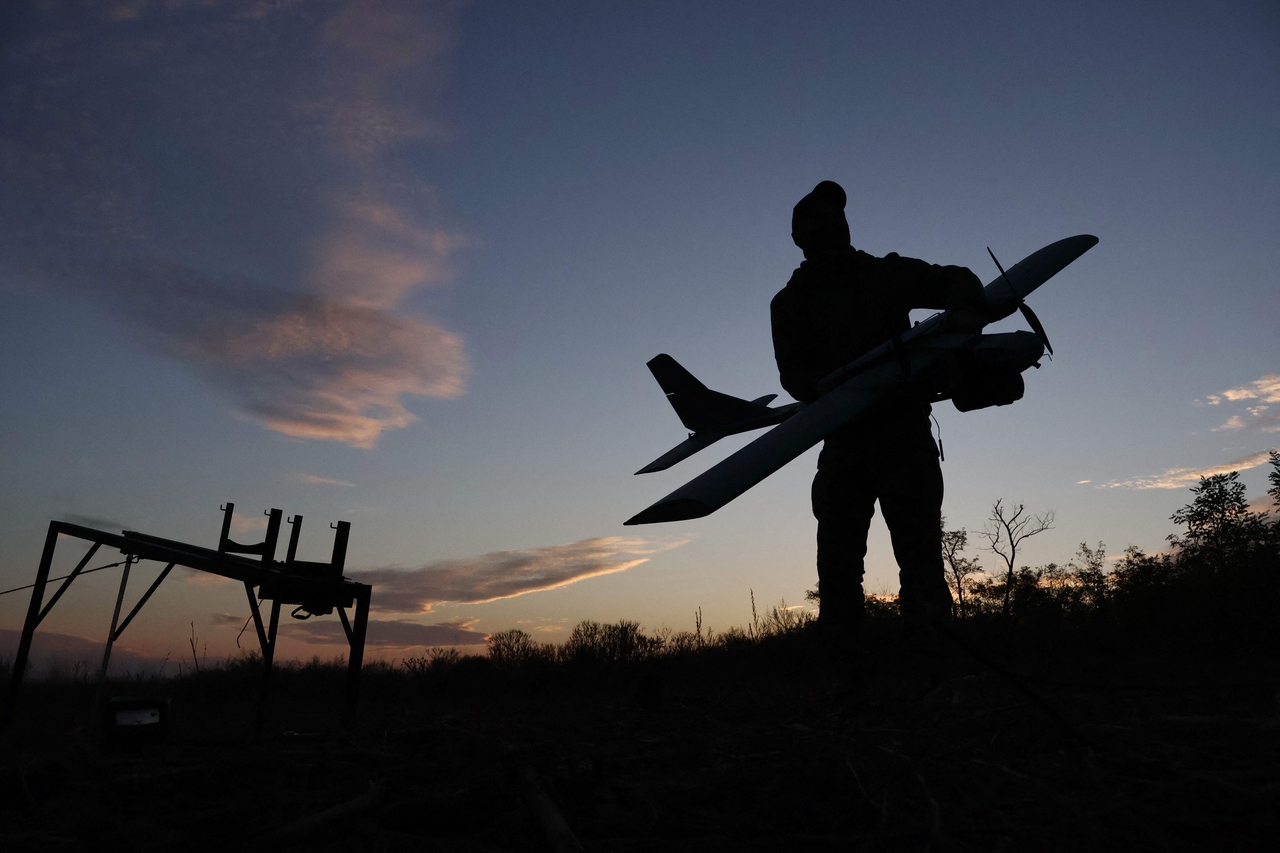
The country is introducing medium-range air defense while strengthening drone surveillance, counter-UAS capabilities and long-range fires. It is also looking at how sensors, uncrewed systems and weapons can be connected into broader battlefield networks.
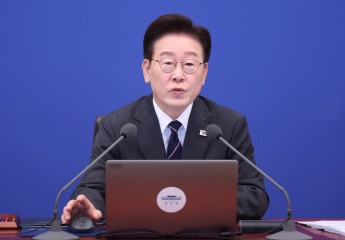
Lee Jun-gon, a professor of defense business at Konkuk University's Graduate School of Engineering, said Korean companies need to keep their traditional strengths while adapting them to those emerging requirements.
“Traditional weapons such as the K9 and K2 need to continue evolving in line with new trends,” Lee said.
The point, he said, is not to replace tanks and artillery with drones, but to integrate sensors, communications, software and uncrewed systems into existing platforms.
South Korean Ambassador to Estonia Kim Il-eung also pointed to a fundamental change in warfare since the Ukraine conflict began.
“Since the war in Ukraine, the paradigm has shifted from conventional firepower-centered warfare toward complex hybrid warfare,” Kim said.
He said South Korea recently presented Estonia with a future concept for operating the K9 in connection with drones and artificial intelligence.
“Rather than simply selling firepower systems, we need to move toward future battlefield solutions combining AI and drones,” he said.
The changing battlefield is also visible among Estonia's defense companies.
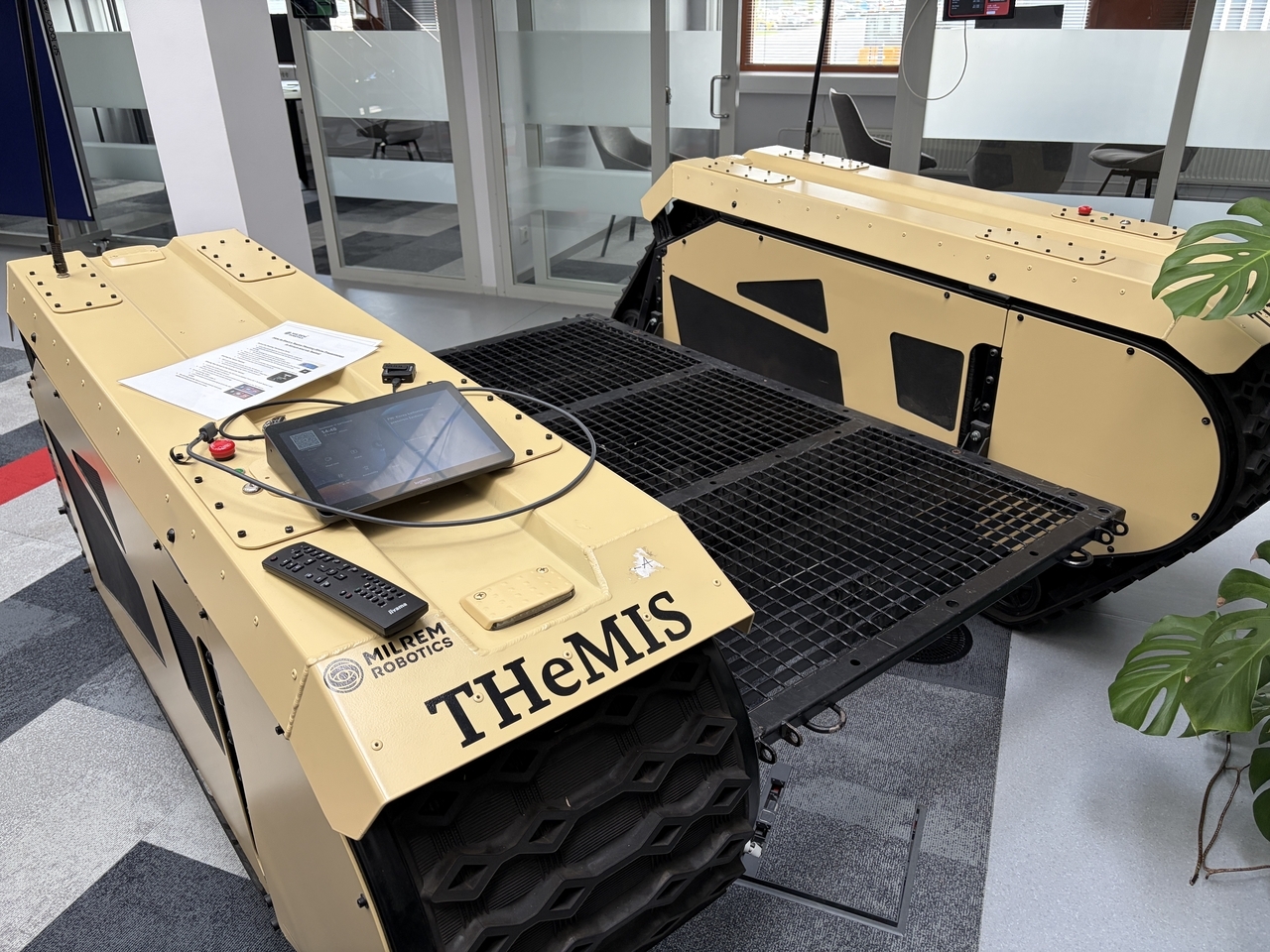
Tallinn-based Milrem Robotics expects more than 200 of its autonomous ground vehicles to be operating in Ukraine by the end of this year.
“The biggest problem on the Ukrainian front right now is that forward supply and transportation with unmanned vehicles has become practically impossible,” CEO Kuldar Vaarsi told reporters in Tallinn, saying unmanned vehicles are increasingly being used for logistics missions stretching 10 to 20 kilometers near the front.
Milrem is working with Hanwha Aerospace on uncrewed ground systems, including a next-generation tracked platform weighing around 15 tons — one example of how Korean manufacturing and systems integration could combine with European battlefield-driven technology.
What comes next for K-defense
The shift is not only technological.
Estonia also wants foreign defense purchases to contribute to its domestic industry through local production, maintenance, technology cooperation and supply chain participation.
Estonian Ambassador to South Korea Tanel Sepp has described Korea as a like-minded country offering an alternative to traditional defense suppliers, but stressed that arms deals are inherently long-term.
“Defense contracts last for decades,” Sepp said, adding that they can provide a foundation for “much deeper and more substantial partnerships” beyond a simple commercial transaction.
For Korean companies, that means the strengths that helped them enter Europe — mass production, competitive pricing and fast delivery — remain important but are unlikely to be sufficient on their own.
Professor Lee Jun-gon said the next stage will require changes not only to weapons themselves, but also to how Korean defense companies operate in Europe, including deeper localization and partnerships with overseas companies.
“The way we have traditionally done business in Korea needs to become somewhat more European,” Lee said.
He also pointed to international investment and acquisitions as possible tools for Korean companies seeking to establish themselves more deeply in overseas defense markets.
“If necessary, I think the time has come to pursue global management through international mergers and acquisitions efforts,” Lee said.
flylikekite@heraldcorp.com