
Prosecution reform is exposing fault lines across the liberal camp as an unprecedented overhaul takes shape, splitting the camp over a cause that has united the bloc for decades.
President Lee Jae Myung and the minor progressive Rebuilding Korea Party are locked in an unusually public confrontation over how far the overhaul should go, whether a career prosecutor should lead the new investigative agency and whether the reform can now be considered largely complete.
Signs of friction had surfaced well before the latest clash.
The Rebuilding Korea Party criticized Lee for appointing former prosecutors to senior Cheong Wa Dae posts overseeing criminal justice reform and pressed the government to move faster in dismantling the old prosecution system.
Relations were also strained by a failed merger push between the ruling Democratic Party of Korea and the Rebuilding Korea Party ahead of the June 3 local elections, as well as later disagreements over rules for forming a National Assembly negotiation group and broader cooperation among progressive parties.
The nomination of career prosecutor Kim Ji-yong as the first chief of the newly created Serious Crimes Investigation Agency, or SCIA, pushed those differences into open confrontation.
The SCIA began operations Friday as part of a sweeping overhaul that abolished the old Prosecution Service and separated investigation from prosecution. The Public Prosecution Service now handles indictments, while the SCIA investigates major crimes.
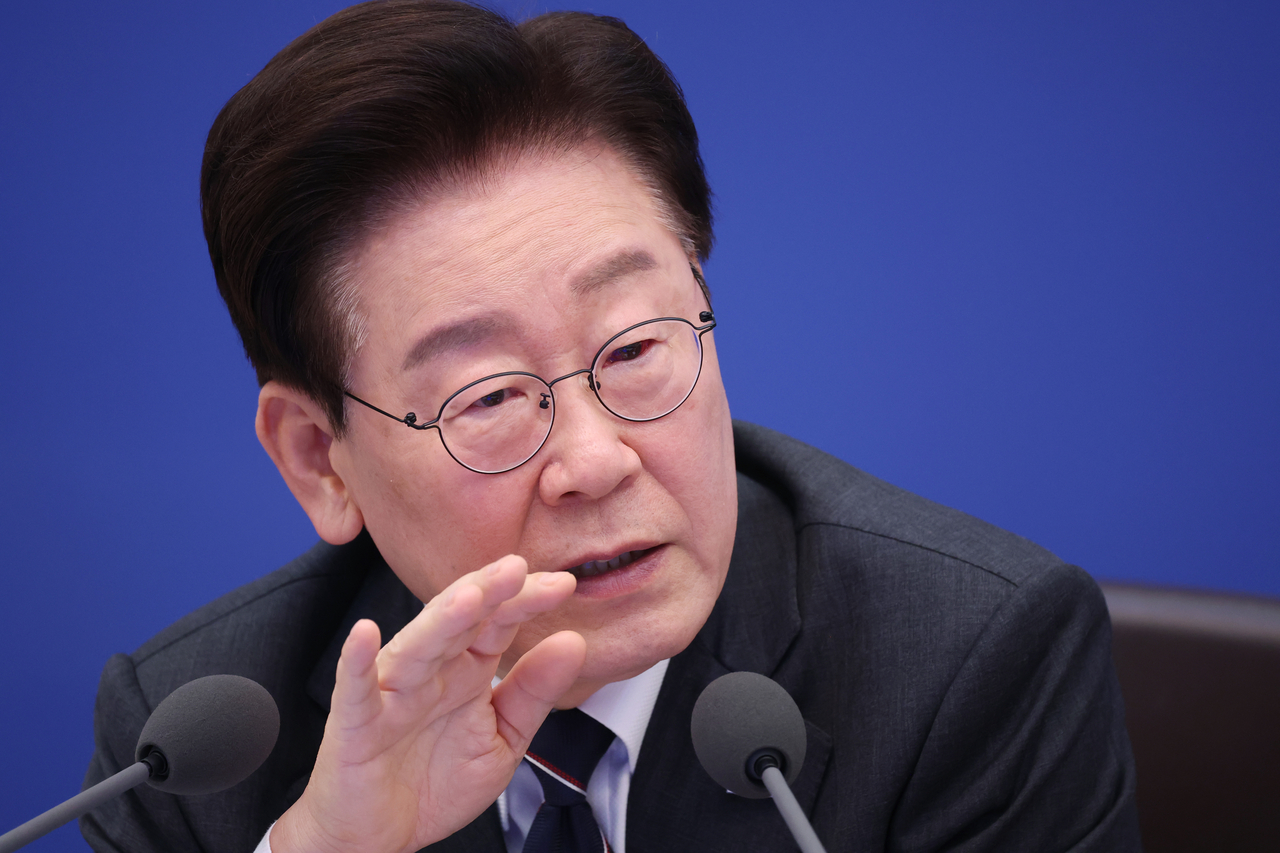
The clash escalated Monday when Lee warned on X that prosecution reform was “for the people, not to create a political legacy for particular individuals.”
“No one should use prosecution reform as a pretext to pursue private interests and seek to control personnel decisions or specific investigative and prosecutorial affairs,” Lee wrote, in an apparent rebuke of the Rebuilding Korea Party and other reform hard-liners who have opposed Kim’s nomination.
Later Monday, Lee directly invoked the Rebuilding Korea Party, arguing that it and other longtime reform advocates had initially supported placing both the SCIA and the Public Prosecution Service under the Justice Ministry while allowing prosecutors to retain supplementary investigative authority.
Lee said his administration had gone further by putting the SCIA under the Interior Ministry and eliminating prosecutors’ power to conduct supplementary investigations.
“The essence of prosecution reform, which is separating investigation from prosecution, has now been completed to the point that even supplementary investigations have been prohibited,” Lee wrote.
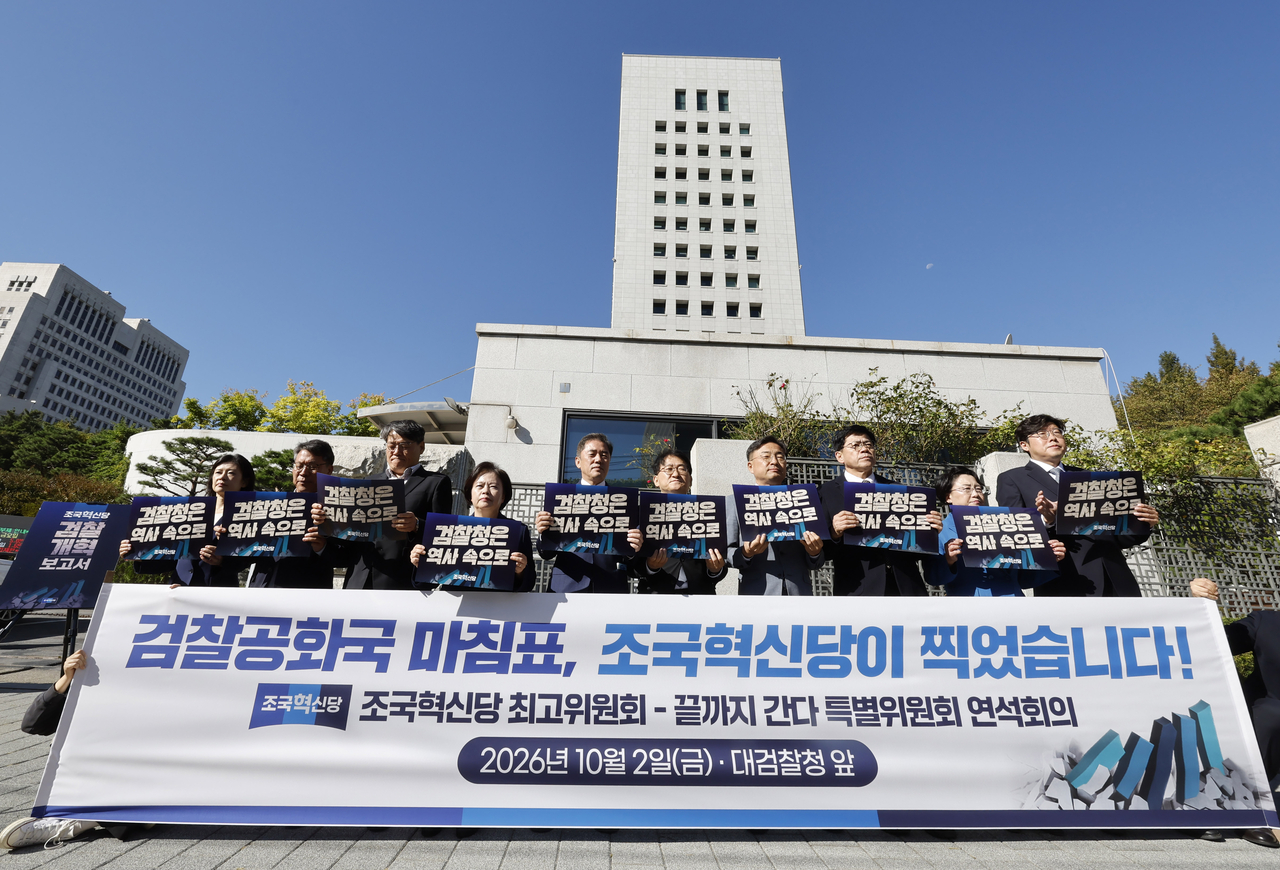
The Rebuilding Korea Party hit back the same day.
In a statement, the party acknowledged that it had proposed in 2024 placing both agencies under the Justice Ministry. However, it said the plan assumed the ministry itself would first be stripped of prosecutorial influence, including by replacing former prosecutors in key posts with career civil servants or outside experts.
The party also clarified that it had supported prosecutors’ power to request supplementary investigations, not the power to conduct them directly. “They are entirely different powers,” it said.
Cheong Wa Dae responded again late Monday. It cited comments made by Cho Kuk, founder of the Rebuilding Korea Party and a former justice minister under the Moon Jae-in administration, in a 2025 YouTube interview in which he said prosecutors could be allowed to conduct supplementary investigations.
Cho replied Tuesday that he had supported such investigations only in limited “judicial emergencies,” such as when a statute of limitations was about to expire, and that he later followed the party line once it settled on fully abolishing prosecutors’ supplementary investigative authority.
The party stepped up its criticism later Tuesday in a spokesperson’s statement. “We express deep concern that Cheong Wa Dae has entered the political fray to advance a political objective,” it said.
Prosecution reform has been a defining cause for South Korea’s liberals since the Roh Moo-hyun administration, when his 2003 confrontation with prosecutors put the issue at the center of progressive politics.
Calls for reform intensified after Roh died in 2009 amid a prosecution investigation, and the cause was later taken up as a central governing project during the Moon Jae-in administration.
On Tuesday, Democratic Party chair Kim Min-seok said that the ruling party should be prepared to push back against further demands from hardliners in the prosecution reform.
Kim underlined that the government had already “met most of what had been demanded by those who had pushed most strongly for it, and in some areas gone further.”
“If there are concerns that excessive demands or claims could, as in the past, weaken the broader reform coalition or even undermine the president’s leadership, I think there are times when the party needs to rein them in,” Kim said on the Democratic Party’s official YouTube channel.
“We are now at a point when we should be focusing on reforms that directly affect people’s lives,” he added.
At a Cabinet meeting Tuesday, Lee called on the SCIA and the Public Prosecution Service to become trusted institutions that uphold public order while protecting individual rights and preventing wrongful treatment.
Lee urged the SCIA to investigate crimes involving “powerful members of society, the highly educated and the wealthy” rigorously and “without the slightest hesitation,” regardless of “your side or my side, ruling or opposition parties.”
“Never again should investigative and prosecutorial powers be abused for political ends, be swayed by political power or fail to serve their proper purpose,” Lee said.
dagyumji@heraldcorp.com


