
Ohio remarks come as Seoul resists treating participation in Alaska LNG project as settled
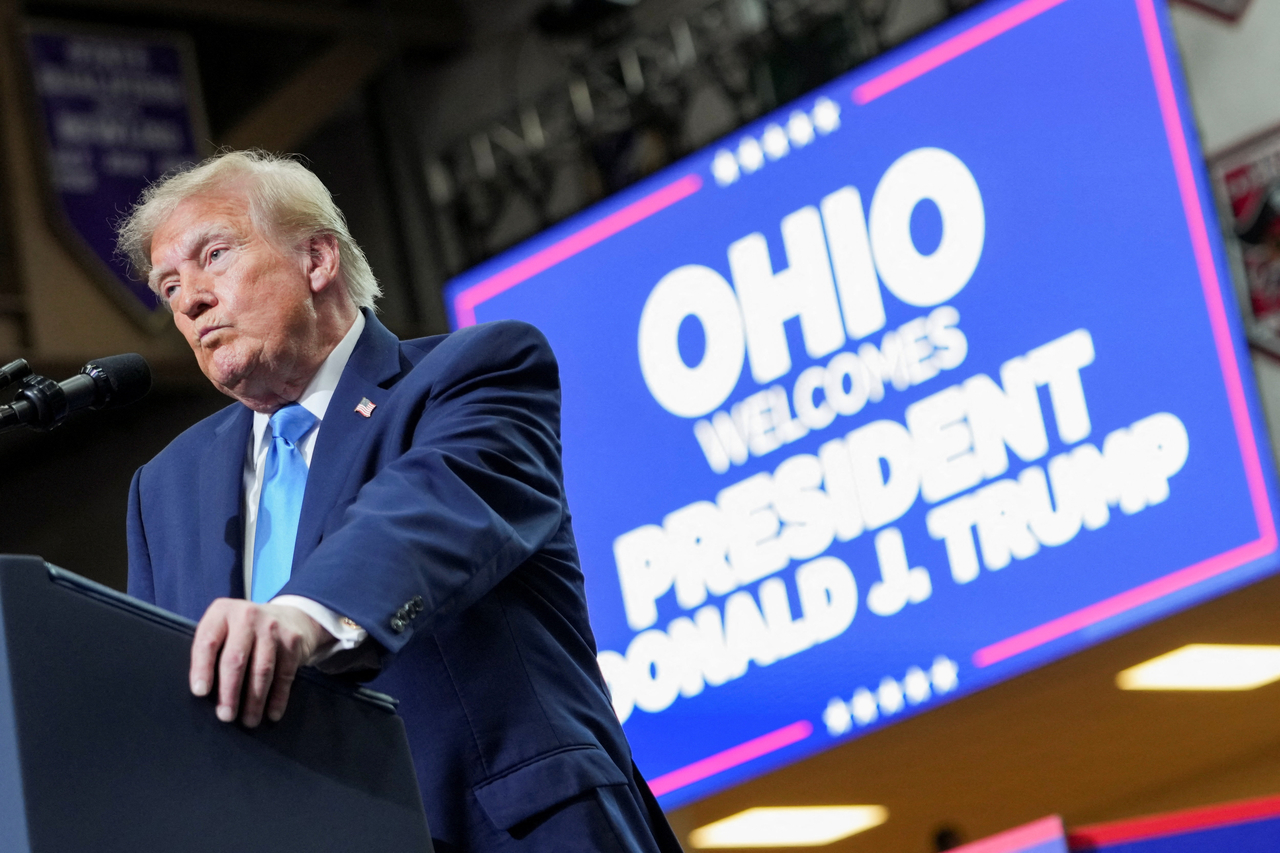
US President Donald Trump said foreign companies that fail to build factories in the United States could face tariffs of up to 300 percent, as South Korea faces separate pressure from Washington over how it will carry out its $350 billion US investment commitment.
Speaking at a campaign rally in Vandalia, Ohio, on Saturday, Trump presented tariffs and foreign investment as part of his economic record while campaigning for Republican candidates ahead of the Nov. 3 midterm elections. Ohio is home to a closely watched Senate race, with the economy and cost of living among major campaign issues.
Trump said overseas companies would be given about a year and a half to build plants in the US before facing tariffs ranging from 150 percent to 300 percent. He also named South Korea alongside China, Japan and Canada while arguing that his tariff policy had pushed foreign companies to invest in US manufacturing.
The remarks came a day after Trump increased pressure on Seoul over the Alaska liquefied natural gas project, which has emerged as a point of disagreement in implementing the two countries’ trade and investment agreement.
South Korea agreed last year to invest $350 billion in the US in return for lowering tariffs on Korean goods from 25 percent to 15 percent. The package comprises $150 billion for shipbuilding cooperation and $200 billion for strategic investment.
Trump this week presented Korean participation in Alaska LNG as part of the strategic investment package. Seoul says otherwise, maintaining that it has agreed only to begin reviewing the project and has not made a final decision on whether or how much to invest.
Trump on Friday rejected suggestions that he had moved too quickly in announcing Korean participation. “I didn't jump the gun. I mean, they were there and they were represented,” Trump said. He later added that if South Korea did not want to proceed, “that's okay with me. I'll just charge them more.”
Seoul’s caution is tied in large part to the project’s economics. Lead developer Glenfarne Group estimates Alaska LNG would cost between $44.5 billion and $54.5 billion. Reuters reported that its cost per unit of annual production capacity would be more than twice that of many recent US Gulf Coast LNG projects.
The project would require an 800-mile, or 1,287-kilometer, pipeline from Alaska’s North Slope to Nikiski, as well as a gas treatment plant and liquefaction terminal.
President Lee Jae Myung said in September that commercial viability had become a sticking point in negotiations with Washington, including how returns would be shared and how losses from unprofitable projects would be handled.
Seoul had pushed to include the term “commercially reasonable” in the investment agreement, Lee said.
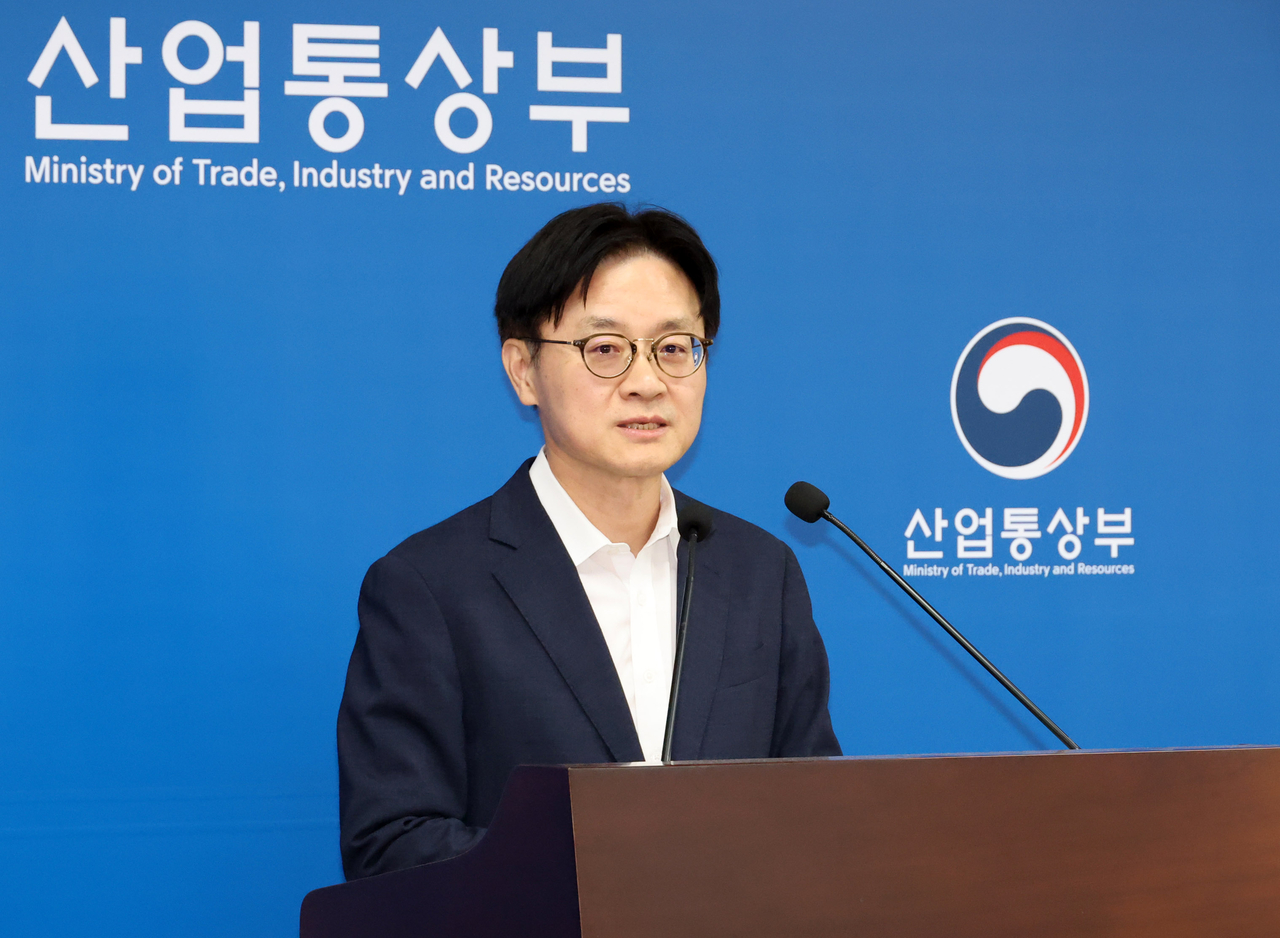
Industry Minister Kim Jung-kwan has also said Korea should not put money into projects that fail to meet commercial standards, while acknowledging that pulling out of projects under the agreement could expose Seoul to renewed US tariff pressure.
The first confirmed project under the strategic investment package is a gas-fired power plant in Encinal, Texas. South Korea and the US have also discussed building eight large nuclear reactors, but Korean officials say those projects still require separate reviews before any final investment decisions are made.
mjh@heraldcorp.com


