
Typhoon lull leaves waters warmer and oxygen-poor, putting strain on marine ecosystems and potentially fueling stronger storms, experts say
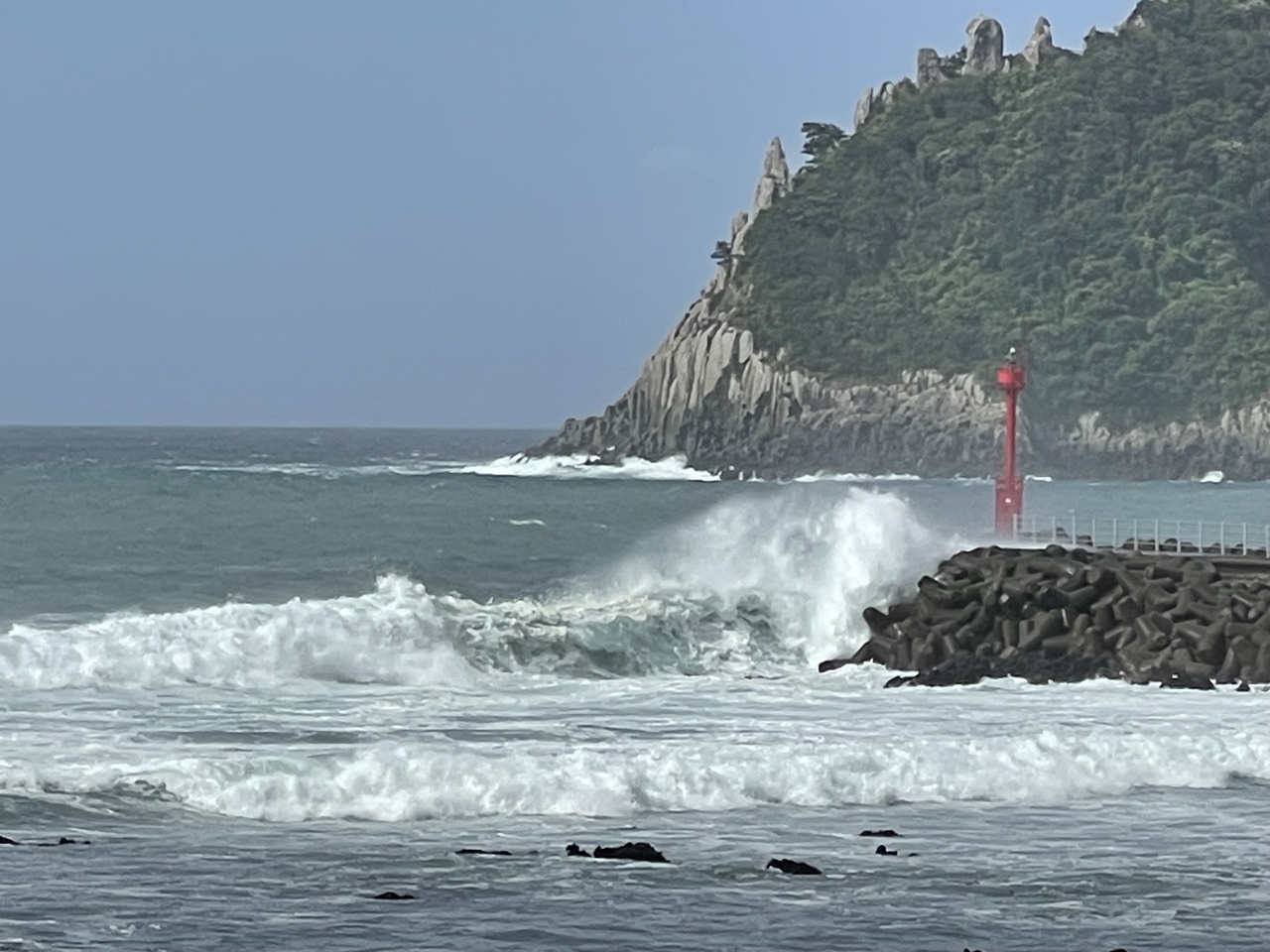
With no typhoon hitting Korea so far this year, concerns are growing that the prolonged lull could bring its own risks, from stressed marine ecosystems to stronger storms later on.
Several typhoons have indirectly affected Korea in recent months, including Typhoon Jangmi, which skirted the southern part of the Korean Peninsula in June, but none has made landfall, according to the Korea Meteorological Administration.
The decline in typhoons in and around Korea has persisted for several years.
Data from the Korea Institute of Ocean Science and Technology showed that an annual average of 2.33 typhoons passed within 200 nautical miles of Korea’s coastline over the past three years, down 28.6 percent from the long-term average.
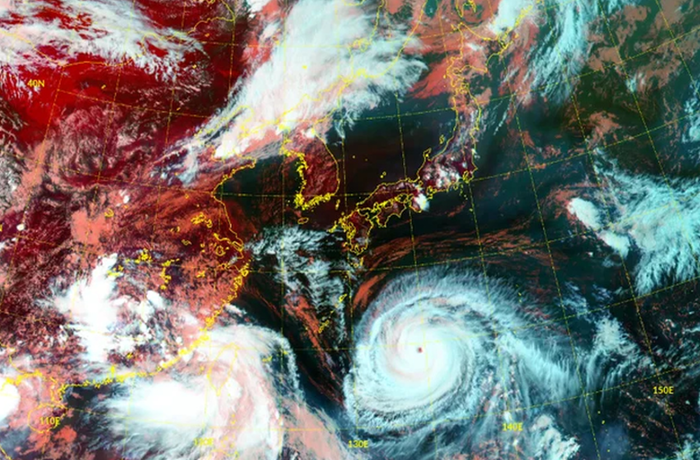
Unusually strong high-pressure systems are behind the recent decrease in typhoons approaching Korea.
"Over the past three years, both the North Pacific High and the Tibetan High expanded earlier and more strongly than usual, creating a powerful high-pressure zone around the Korean Peninsula that effectively kept typhoons at bay," the KIOST said in a report.
This was evident in August, when Typhoon Dolphin, which formed far east of Guam near the International Date Line, traveled west across the Pacific toward Shanghai instead of curving north toward the Korean Peninsula.
Experts warn that fewer typhoons are leaving sea waters warmer and less oxygenated, putting growing pressure on aquaculture.
"Typhoons act as a natural ventilation system for the ocean. By vigorously mixing ocean waters in summer, they help regulate water temperature and salinity. They mix warm surface water with colder water below, cooling the surface while carrying oxygen from the surface into deeper layers," Kim Seong-hun, head of the Ocean Climate Prediction Center at KIOST, told a local news outlet.
"Without that mixing, oxygen in deeper waters is not replenished, while decomposition continues to use it up, leaving less oxygen for marine life."
Marine farms in some regions are already feeling the effects. In South Gyeongsang Province, some 7.73 million fish and 1.09 million abalone have died along the southern coast this year, causing an estimated 25.2 billion won ($18.6 million) in losses, according to the provincial government.
Risks of stronger storms, worsening drought
The current typhoon lull could prove to be the calm before an even stronger storm.
Experts say that with fewer typhoons stirring up the ocean, waters can remain warmer, providing more energy for subsequent storms and potentially making them more intense.
Research suggests this pattern of fewer but stronger typhoons could become more pronounced as the climate warms.
A recent study by Kumoh National Institute of Technology found that if global temperatures rise 4 degrees Celsius above current levels, typhoons affecting Korea could become about 36 percent less frequent. In contrast, particularly intense typhoons could increase by about 27 percent.
Reduced typhoon activity, coupled with below-normal rainfall, is also raising concerns over worsening drought.
Over the six months from March 2 to Sept. 1, nationwide precipitation totaled 832.8 millimeters, just 84.8 percent of the long-term average of 979.2 mm. The rainfall deficit has led to meteorological drought in 34 cities and counties nationwide, news reports said.
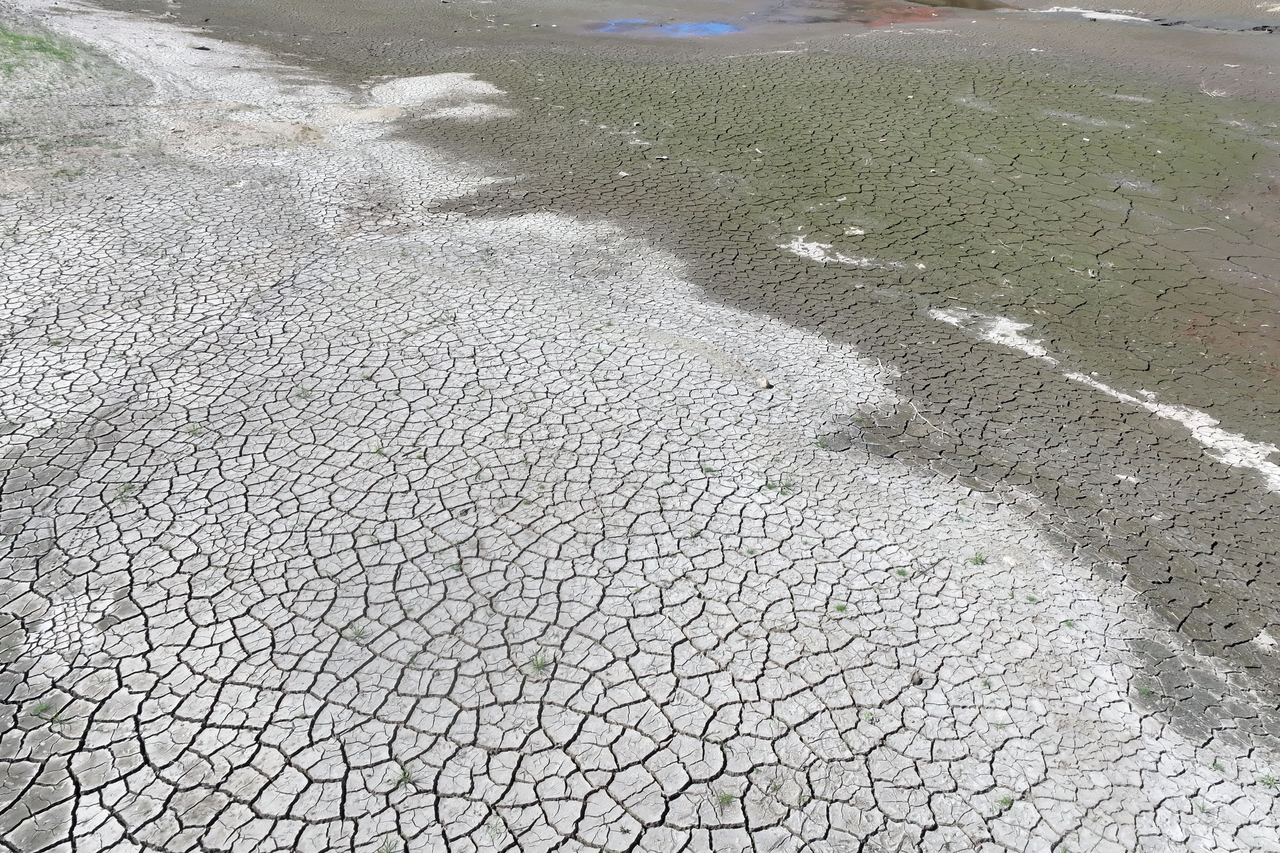
Parts of the Jeolla and Gyeongsang regions were experiencing mild drought, while Seongnam and Uijeongbu in Gyeonggi Province were under a higher-level drought alert.
"As climate extremes intensify, disaster planning should focus less on when or whether a typhoon will arrive and more on addressing risks at both ends. We need a two-pronged approach — strengthening flood-control infrastructure against torrential rain while securing water supplies for prolonged drought," said Kim Baek-min, professor of environmental atmospheric sciences at Pukyong National University.
cjh@heraldcorp.com