Seat left vacant by Roh Tae-ak’s retirement has remained unfilled for more than 200 days
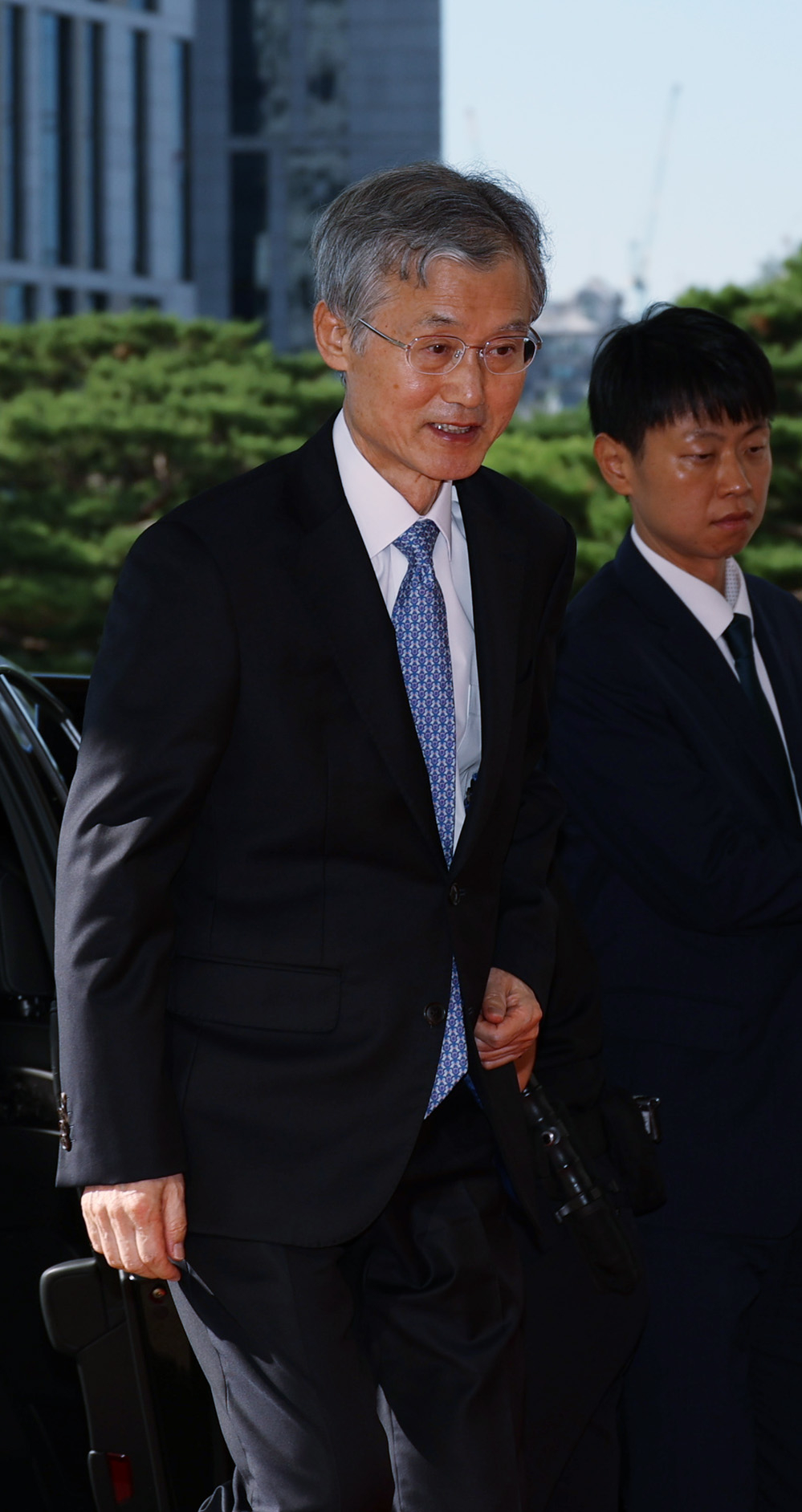
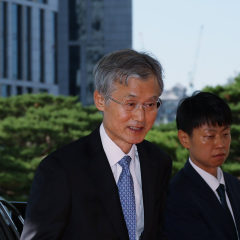
Supreme Court Chief Justice Jo Hee-de on Tuesday rejected Cheong Wa Dae’s request to recommend a new candidate for Korea’s top court, escalating a standoff over the chief justice and the president's respective powers in appointing Supreme Court justices.
Cheong Wa Dae immediately expressed “deep regret,” saying Jo’s position reflected the unconstitutional view that his power to recommend a candidate took precedence over the president’s authority.
Jo announced his decision 25 days after President Lee Jae Myung declined to forward the nomination of Sohn Bong-ki, a senior judge at the Daegu District Court, to the National Assembly and asked the chief justice to submit another nominee.
In a statement released through the Supreme Court, Jo questioned both the form and substance of the presidential office’s request.
Jo noted that presidential acts under law must be made in writing and countersigned by the prime minister and relevant Cabinet members. He said the only official document he had received was an Aug. 28 request for a new nominee, which did not specify why Sohn’s nomination had been returned or provide a constitutional basis for demanding another recommendation.
“I can find no specific constitutional basis or reason that would justify the request,” Jo said. “Therefore, I cannot comply with the request.”
Cheong Wa Dae disputed Jo’s interpretation, saying, “The chief justice’s statement reflects a view that his recommendation authority takes precedence over the president’s appointment authority, which is contrary to the Constitution.”
The presidential office added that requiring the president to appoint anyone recommended by the chief justice would effectively nullify the appointment authority of a president elected by the public.
Under the Constitution, Supreme Court justices are appointed by the president upon the recommendation of the chief justice and with the consent of the National Assembly. A judicial recommendation committee first shortlists candidates, from whom the chief justice selects a nominee.
The current dispute concerns the seat vacated by former Justice Roh Tae-ak, who retired in March. A recommendation committee shortlisted four candidates to succeed Roh on Jan. 2. The presidential office and the judiciary failed to agree on a final nominee through the consultations that typically precede a formal recommendation.
Jo ultimately recommended Sohn on Aug. 18, along with Kim Seong-su as the successor to Justice Lee Heung-gu. The recommendations were submitted in writing without an agreement with the presidential office.
On Aug. 28, Cheong Wa Dae said it would proceed with Kim’s nomination but would not submit Sohn’s confirmation motion to the National Assembly. It accused Jo of making a unilateral recommendation without substantive consultation and asked him to recommend another candidate.
Kim received parliamentary consent and was appointed by Lee on Sept. 18.
Roh’s former seat has now remained vacant for more than 200 days. Cheong Wa Dae said each Supreme Court justice handles between 3,500 and 4,600 cases annually, arguing that the prolonged vacancy infringes on the public’s right to timely trials.
“The chief justice must recognize that the prolonged vacancy is causing harm to the public and should no longer leave the current situation unaddressed,” the presidential office said.
Neither side offered a clear path toward resolving the impasse. Under the Court Organization Act, a new recommendation committee must be formed each time candidates are recommended, meaning that restarting the process could further prolong the vacancy.
minsikyoon@heraldcorp.com