
Up to 1,500 shuttles, additional subway trains, bikes offered as alternatives
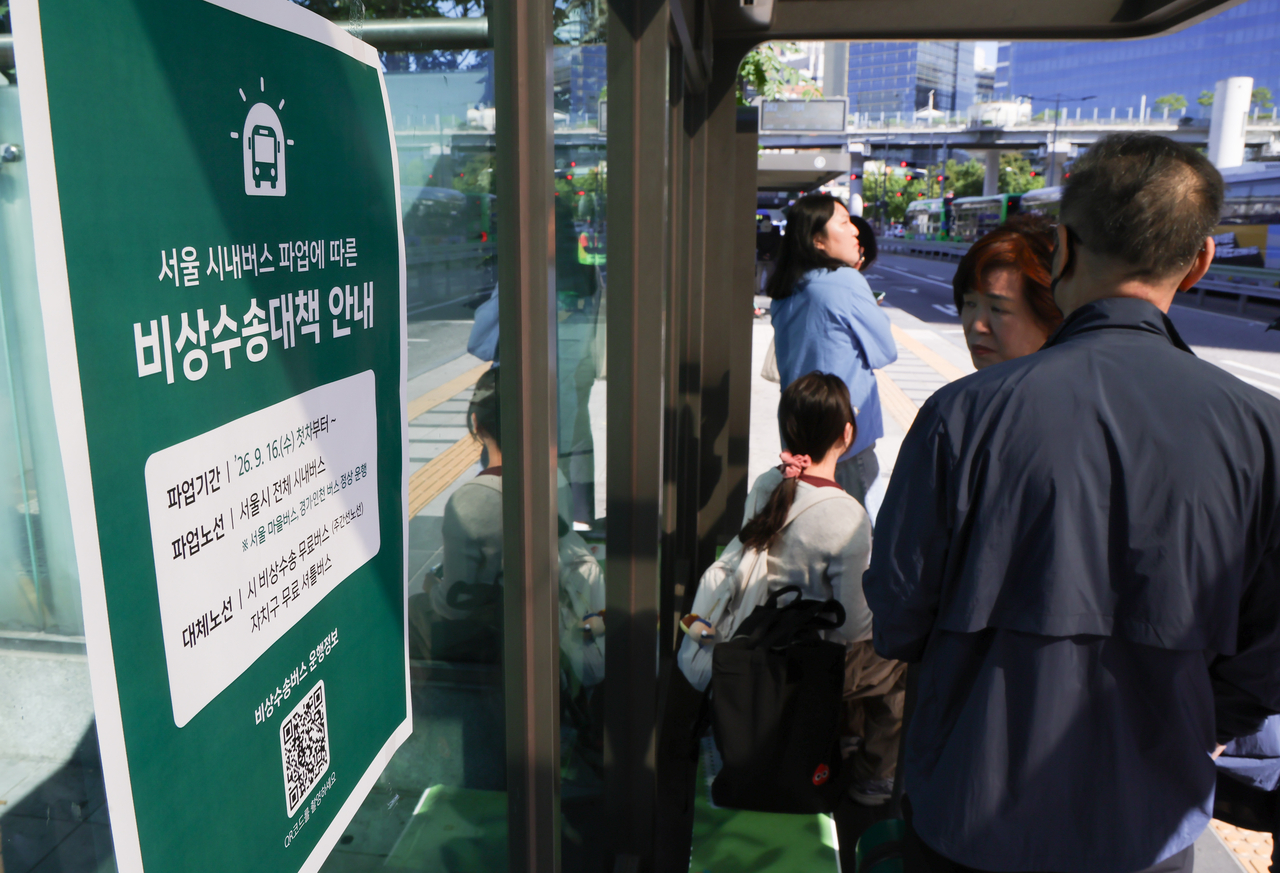
Seoul city bus drivers are set to begin a full-scale strike at 4 a.m. Wednesday, after labor and management failed to reach an agreement during an eight-hour mediation session Tuesday.
The talks ended without a settlement at around 10 p.m., prompting the union to proceed with the strike as planned.
The walkout is expected to disrupt bus services across the capital, with the Seoul Metropolitan Government preparing alternative transportation measures for commuters.
Where to take free shuttles
Up to 1,500 chartered buses will operate across Seoul free of charge.
The city government will directly operate about 200 buses on 10 longer-distance routes connecting Seoul’s outskirts with the city center. The buses will run from 6 a.m. to 10 p.m., generally at 15-minute intervals, along major corridors.
The remaining 1,300 shuttle buses will be operated separately by Seoul’s 25 district offices. They will primarily connect residential neighborhoods and major local hubs with nearby subway stations.
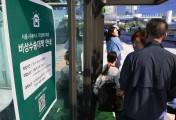
Routes and timetables are available through a banner titled “Emergency Transportation Measures Related to the Seoul City Bus Strike” at the top of the Korean-language Seoul Metropolitan Government website.
Users can select their district on the website to find information on locally operated routes. QR codes are also displayed at some bus stops to allow passengers to access shuttle bus information.
Subways running more frequently and later
The city is adding 202 subway trips per day to accommodate passengers who would normally use buses.
The morning period for additional peak-hour services has been expanded from the usual 7-9 a.m. to 7-11 a.m., while the evening period has been extended from 6-8 p.m. to 6-10 p.m.
Late-night service has also been extended, with final trains scheduled to arrive at their terminal stations by 2 a.m., an hour later than usual.
Passengers traveling late at night should check the departure time of the last train at their station, as it will vary by line and destination.
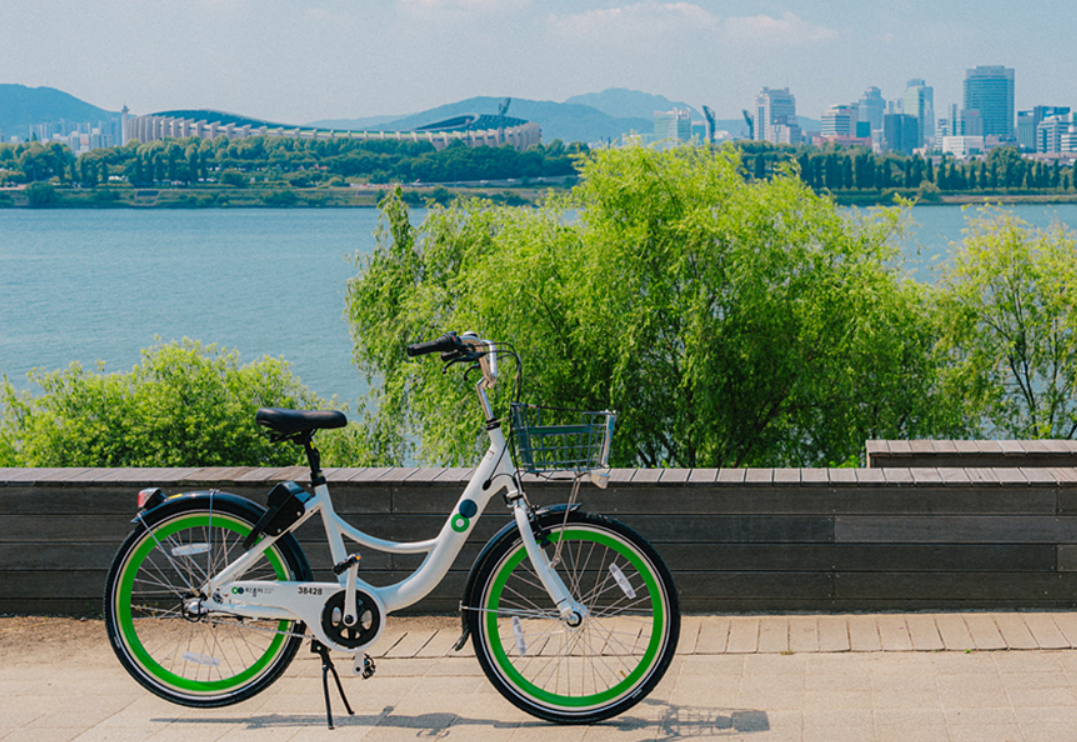
Bicycles available for free
Seoul’s public bicycle service Ttareungi, or Seoul Bike, is available free of charge during the strike to provide an alternative for trips of up to approximately 5 kilometers.
Seoul operates some 2,800 Ttareungi rental stations across the city. Users can find available bicycles and access the free service through the Ttareungi mobile app.
Commuters should expect heavier demand near subway stations and business districts, particularly during the morning and evening rush hours.
The official Seoul Public Bike app is available in English, Korean, Chinese and Japanese.
Curbside bus lanes open to cars
Drivers may temporarily use city-operated curbside bus-only lanes while the strike continues. These lanes run along the right side of regular roads. Restrictions on median bus-only lanes will remain.
A city official said Tuesday that opening the median lanes to general traffic could cause confusion and increase accident risks.
yunapark@heraldcorp.com
![[Room Tone] Monopoly’s less famous cousin](https://wimg.heraldcorp.com/news/cms/2026/09/15/news-p.v1.20260427.66c40f4b14054f6a8c036bfc20e046c9_R.jpg?type=h&h=120)