

Jung Min-chan’s removal over Starbucks reveals musical industry's dependence on fan power
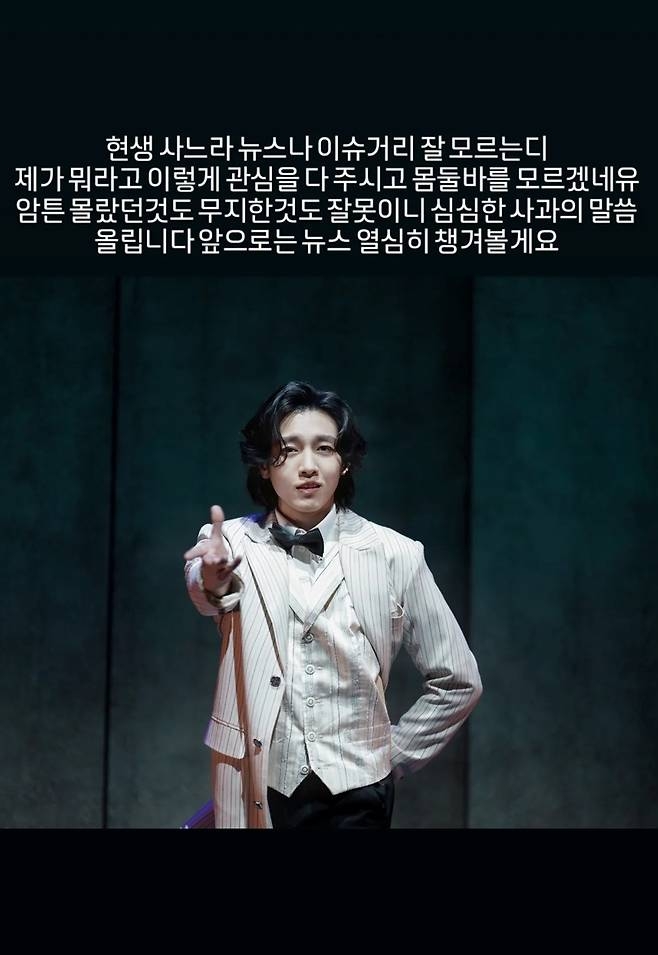
Jung Min-chan lost a role in a musical and won a public defense from his ballet company all within six days, after a social media post about a visit to Starbucks triggered an angry reaction.
The 38-year-old musical actor and ballet dancer uploaded the post to Instagram on May 20, just as the controversy over Starbucks Korea's "Tank Day" marketing campaign was erupting. Two days later, musical producer Showplay announced his exit from "Diaghilev," a musical in Seoul's Daehangno theater district where he played Vaslav Nijinsky, the Russian dancer who anchored the Ballets Russes.
Jung's post came two days after the Starbucks uploaded an image featuring the date and the phrase "Tank Day" on the anniversary of the 1980 Gwangju democratization movement, when South Korean troops deployed tanks against citizens demanding democracy.
Starbucks Korea's campaign had already drawn criticism from people who said the campaign mocked the victims of that event.
Jung's photo showed him sampling a new Starbucks menu item. He wrote that it tasted like makgeolli, a Korean rice wine, and joked that it had left him slightly dizzy.
Critics interpreted the timing as a defense of the campaign. Jung later said he had not been following the news and apologized for what he called his ignorance.
But his first apology created a second controversy. It was written in a Chungcheong regional dialect he had never publicly used before — a register many fans associated with Ilbe, a far-right online community known for provocative content.
Four days after Jung was dropped from "Diaghilev," Shahar Ballet Theater's artistic director Ji Woo-young publicly defended him. She said Jung had been unaware of the Starbucks controversy and that his post was about a drink that unexpectedly tasted like makgeolli, not a political statement.
Jung had already apologized twice and stepped down from the musical, Ji wrote, adding that the criticism had become "a witch hunt." Shahar, she said, would not remove him from a single performance.
The contrasting responses highlight the different industries in which Jung works, and the unusually powerful role fans play in Korea's musical theater business.
The musical theater industry runs on a "star-and-fan" economy, particularly in Daehangno, where small venues and long runs amplify audience influence.
A small number of leading actors, backed by repeat theatergoers known as "revolving door audiences," often generate a large share of ticket sales. When those fans turn on a performer, producers can feel the impact almost immediately.
The pattern traces back to 2010, when "Billy Elliot" opened in Korea without any big-name leads. Five child actors rotated through the title role. The term "revolving door audience" emerged from fans who returned to see all five.
Today, dedicated fans routinely watch every cast combination and attend the same production dozens of times. Some spend hundreds of thousands — and sometimes millions — of won on a single show. Fans have also organized campaigns that helped drive performers from productions over sexual misconduct and other controversies. Jung's exit follows a familiar pattern.
One longtime fan wrote on Threads that she had purchased multiple tickets specifically to support Jung. The Starbucks photo itself had not been the breaking point, she wrote. The apology in dialect had been.
"Forget the six tickets I still had left. My memories, my Nijinsky ..." the fan wrote. "You're the one who abandoned us, not the other way around."
Choi Seung-youn, a musical theater critic who studies Daehangno fan culture, said the reaction makes sense once you understand how audiences view their relationship with performers.
"The audience treats consumption as identity," Choi said. "What they choose to support reflects what they believe is right. When a performer appears to violate that ethical framework, the fan's own identity feels implicated. That's why this audience cannot wait."
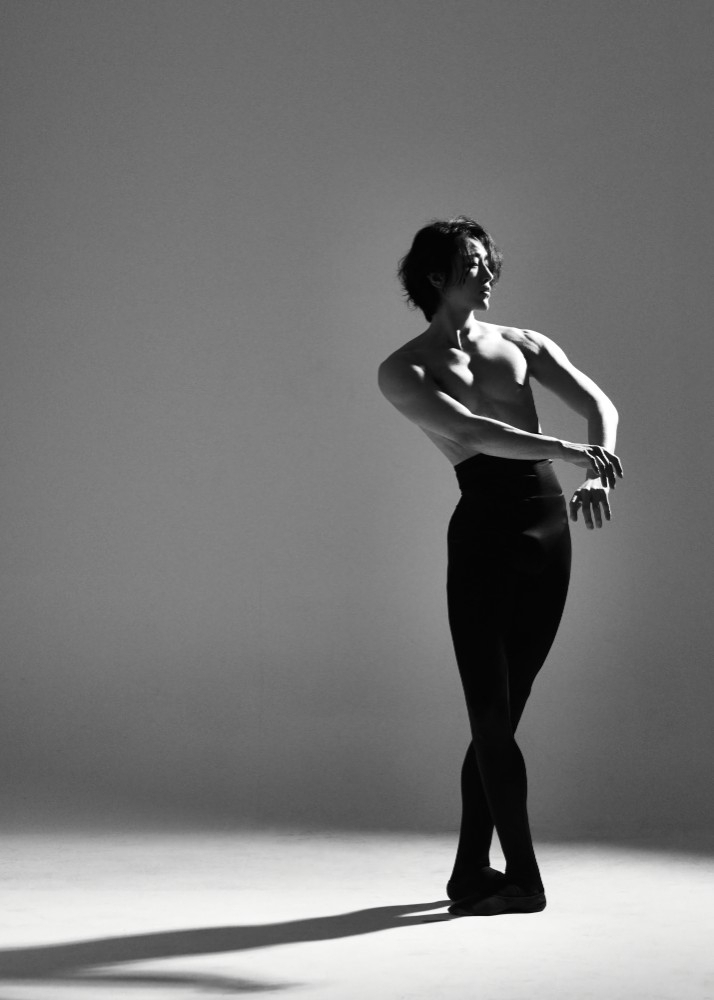
Ballet operates differently. Most Korean ballet productions run for only two to four days, often over a weekend. Even "The Nutcracker," the year-end exception, typically runs for about two weeks. There is no extended run for a revolving-door economy to form around, no rotating cast for fans to chase and no monthslong ticket window for a boycott to damage.
That gave Ji room to defend Jung. Showplay had far less.
Choi worries about what that dynamic has created. The speed of the backlash reflected something larger, she said: A broader exclusion culture in Korea where "a small mistake now buries a person."
She understood both the fans' anger and Showplay's calculation. But, she added, people should be allowed to be wrong.
Jung was one of three Nijinskys in "Diaghilev." The role rotated among them during the run — triple casting is common in Korean musical theater but rare on Broadway or in the West End — so the show could continue without him. For Jung, the door back to Daehangno seems closed for now.
gypark@heraldcorp.com