
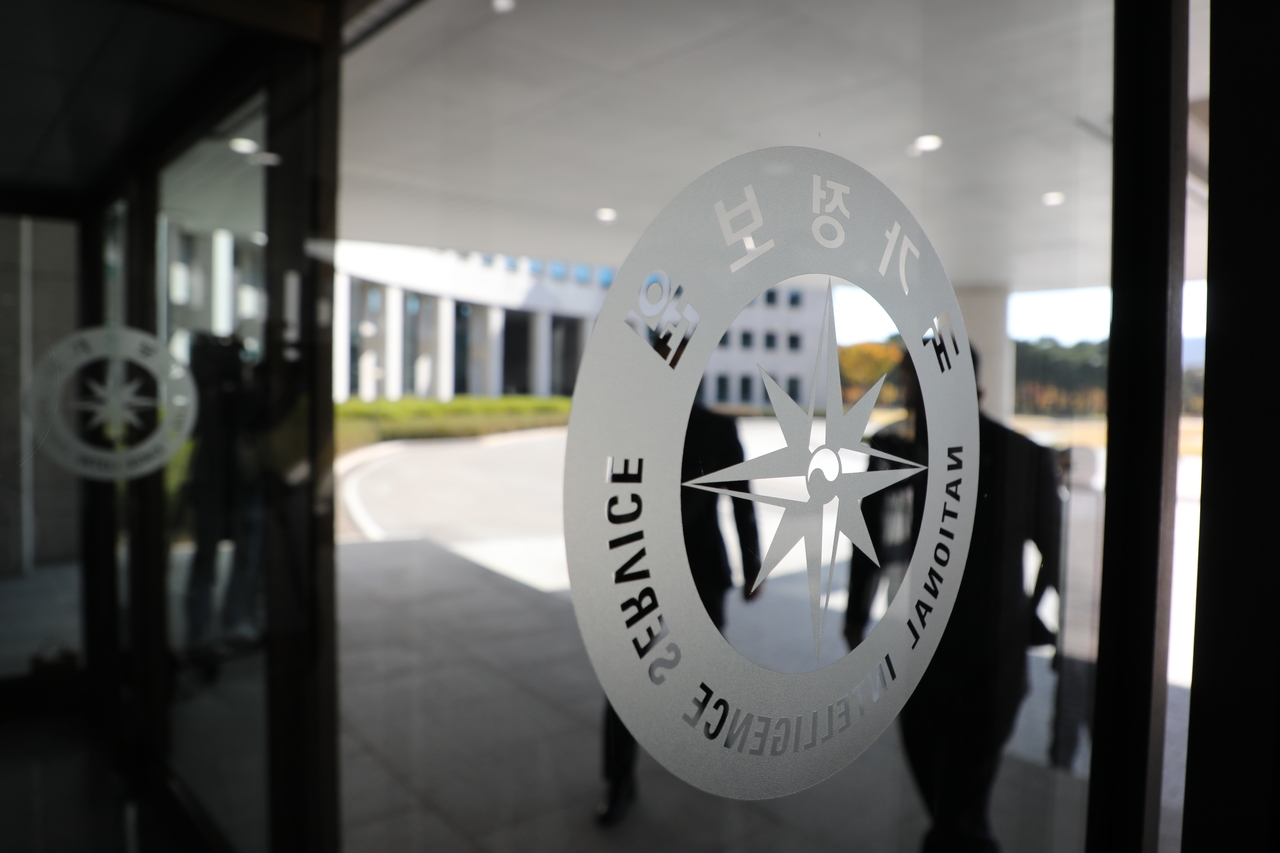
South Korea's spy agency reiterated Sunday that intelligence cooperation with the United States remains active across a wide range of areas, as Seoul seeks to counter the narrative of strained intelligence ties between the allies.
The National Intelligence Service has taken the unusual step of issuing a series of detailed and sharply worded rebuttals to local media reports alleging friction between the two countries' intelligence agencies and disruptions in intelligence sharing.
The NIS has also repeatedly warned that false or misleading reports, some of which it denounced as "fake news," could harm the alliance and South Korea's national interests, urging media outlets to refrain from publishing such claims.
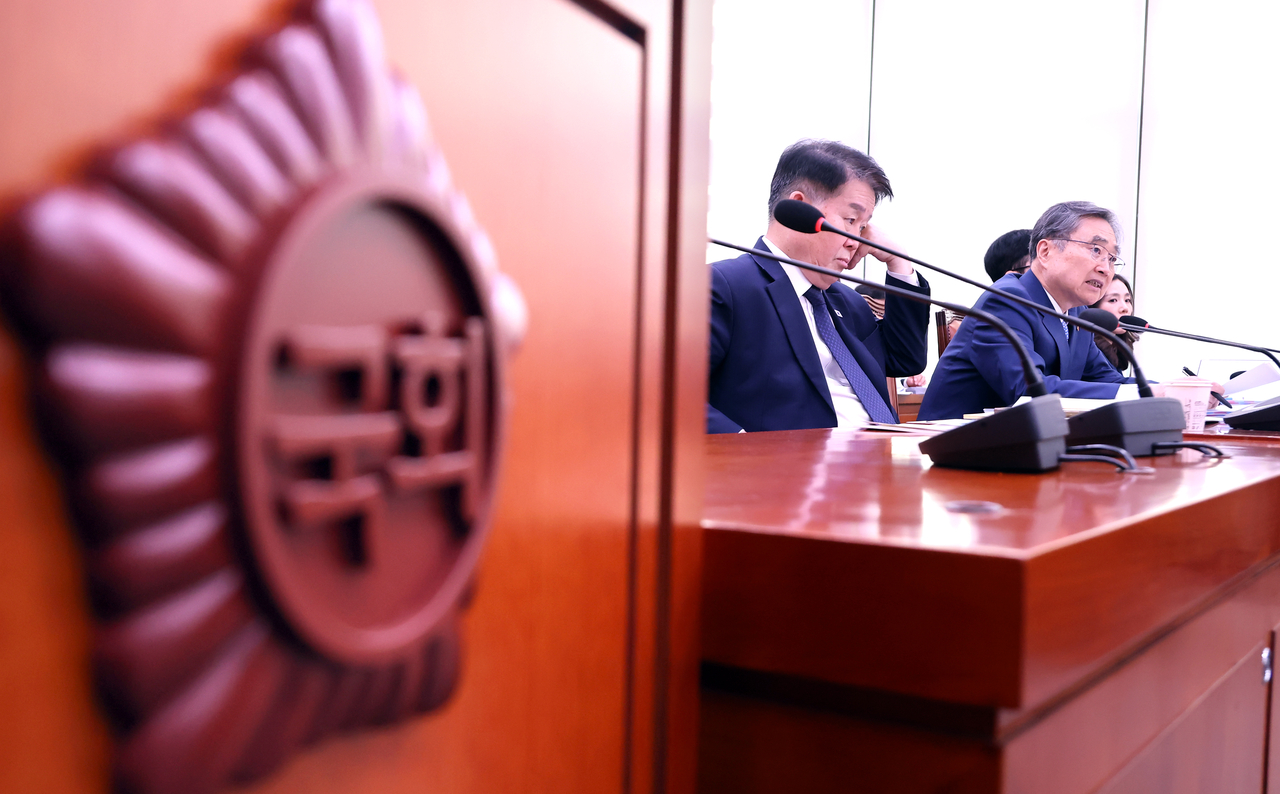
The controversy has intensified during the National Assembly's annual audit season, which began last week, prompting mounting calls from opposition lawmakers for the resignations of the spy agency chief and the unification minister.
In its latest statement Sunday, the NIS rejected a report published the previous day by local broadcaster SBS claiming that Washington was sharing intelligence only on North Korean missiles with Seoul.
The agency nevertheless acknowledged that Washington has restricted the sharing of certain intelligence related to North Korea's nuclear facilities for more than seven months, following a dispute in March involving Unification Minister Chung Dong-young.
"We once again make clear that, apart from some of the intelligence that prompted the restrictions on information sharing previously confirmed by the government, Korea and the US continue to actively cooperate on intelligence across a wide range of areas," the NIS said.
The agency cited exchanges covering North Korean missiles, conventional military capabilities, developments in North Korea, international relations, cybersecurity and counterintelligence.
The NIS also stressed that "intelligence sharing between Korea and the US is taking place across a wide range of areas in a reciprocal and mutually beneficial manner."
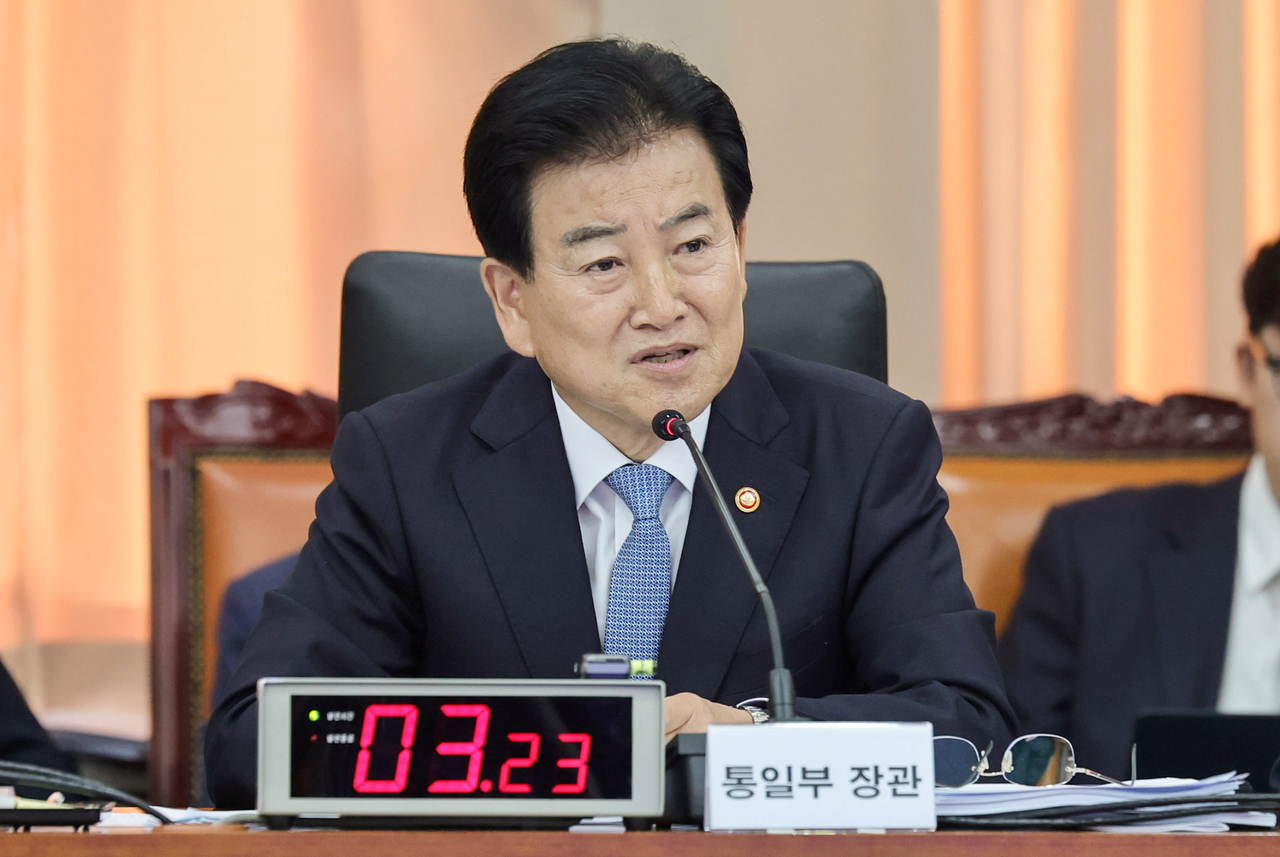
The dispute dates to March 6, when Chung publicly identified Kusong as a North Korean uranium-enrichment site alongside better-known facilities at Yongbyon and Kangson, marking the first time a senior South Korean official had publicly named the site.
Washington reportedly regarded the disclosure as involving classified intelligence shared with Seoul, while the South Korean government initially maintained that the information came from publicly available sources.
The statement was notable not only for its detailed rebuttal but also for its unusually sharp criticism of the media.
"We urge some media outlets to stop competitively spreading fake news with a 'so what if it's wrong' attitude, undermining the intelligence agency and harming the national interest," the NIS said.
In a separate statement responding to the SBS report, the Defense Ministry said Saturday that "media reports based on inaccurate information do not serve the Korea-US alliance or national security."
The ministry further explained that intelligence sharing necessary to maintain a robust military readiness posture against North Korea remained unrestricted, adding that the military's enhanced independent intelligence capabilities were compensating for information subject to restrictions.
Joint Chiefs of Staff Chair Gen. Jin Young-seung similarly acknowledged during a National Assembly audit Thursday that some key intelligence related to North Korea's nuclear program remained restricted, but insisted that military readiness had not been affected.
"Ultimately, the best course of action is to resolve this situation as quickly as possible, and we are working toward that," Jin said.
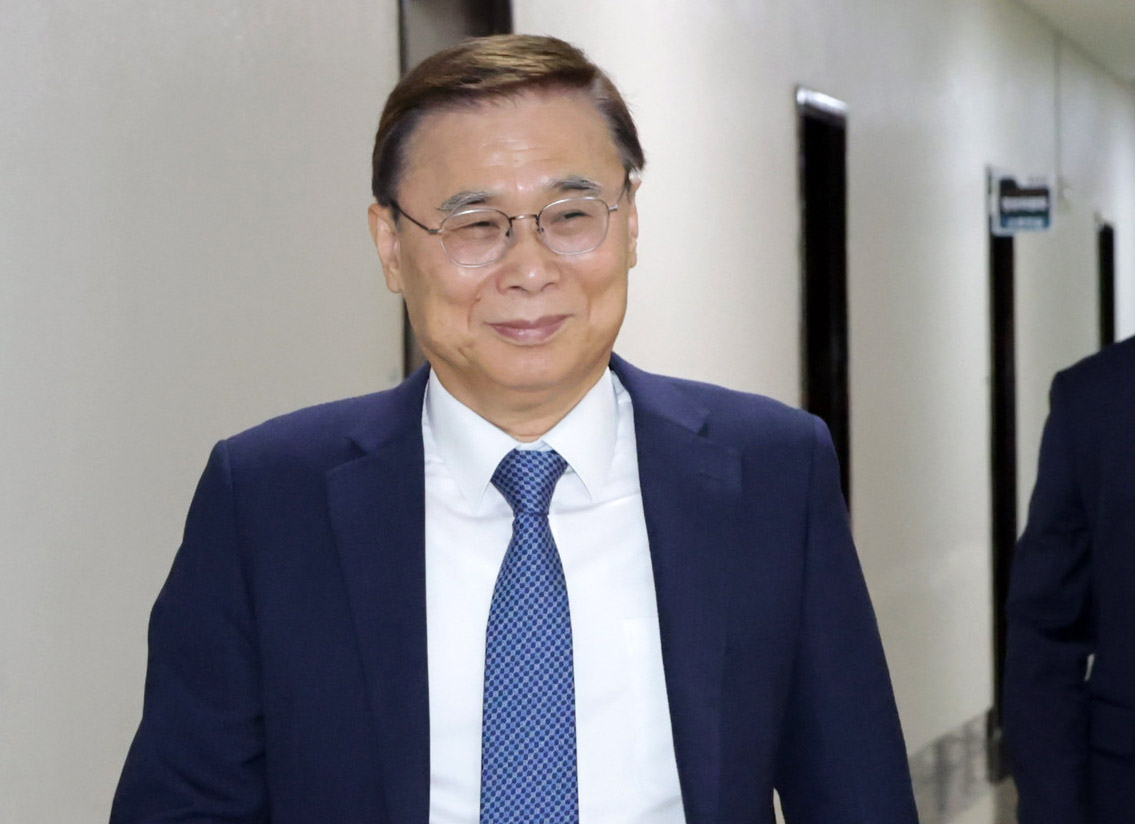
How the controversy has escalated
The NIS's increasingly sharp responses have followed a succession of local media reports, mostly from conservative-leaning outlets, alleging disruptions in intelligence exchanges between the allies.
On Thursday, the agency rejected a Chosun Ilbo report that its director, Lee Jong-seok, had been unable to visit Washington in March after US authorities declined proposed meetings with the National Geospatial-Intelligence Agency and senior intelligence officials. The NIS said Lee had never planned such a visit.
Independent Rep. Han Dong-hoon had earlier alleged that Washington denied Lee entry over concerns about his perceived anti-US leanings.
The agency also disputed a Chosun Ilbo report on Tuesday that Washington had refused visas to NIS personnel assigned to the South Korean Embassy, saying delays affecting some staff were related to tightened US entry procedures, not intelligence cooperation.
As the reports multiplied, the NIS moved beyond factual denials, expressing “strong regret over media reports that undermine and obstruct the activities of the intelligence agency.”
"We cannot help but be concerned that the Chosun Ilbo's continued reporting, which contains falsehoods and distortions about intelligence cooperation between Korea and the US, could damage the alliance and harm the national interest," it said Thursday.
Separately, the government denied a Dong-A Ilbo report on Friday that US Commerce Secretary Howard Lutnick had conveyed concerns about the NIS to Industry Minister Kim Jung-kwan during bilateral investment negotiations.
Not all reported disruptions, however, have been denied.
The NIS acknowledged a Dong-A Ilbo report Thursday that Washington had requested its exclusion from a trilateral working group meeting on North Korean cyber threats in June, but attributed the incident to misunderstandings that had since been resolved.
It nevertheless expressed regret that intelligence activities that should have remained confidential had appeared in news reports.
"We urge the media to consider what practical benefit could come from reporting on such matters, other than creating divisions between Korea and the US," the agency said Thursday.
Washington, meanwhile, has offered few public details about the precise scope of the restrictions or underlying disagreements.
"We expect the ROK to uphold the standards of our decadeslong alliance, in particular concerning matters of intelligence and counterintelligence," a senior US administration official told South Korean media in a written statement, without providing further details.
Implications of mounting intelligence allegations
The controversy comes as the allies navigate other difficult issues, including South Korea's potential participation in an Alaska liquefied natural gas project and regulatory scrutiny of US-listed e-commerce company Coupang.
Bilateral security negotiations on nuclear cooperation, another key pillar of the Joint Fact Sheet, have also effectively stalled, with little progress on Seoul's pursuit of nuclear-powered submarines and expanded uranium-enrichment and spent-fuel reprocessing rights.
The strain in bilateral relations was also apparent in delays in issuing a US visa to Rep. Jung Chung-rae, former leader of the ruling Democratic Party of Korea, who had planned to visit the US for an Assembly audit of Seoul's diplomatic missions.
Although separate from the intelligence dispute, those issues have added to scrutiny of the administration's management of relations with Washington.
The main opposition People Power Party has seized on the reports to criticize the government's foreign and security policies.
PPP chair Rep. Jang Dong-hyeok said Sunday that "cracks in the Korea-US alliance are indeed becoming evident in various areas," calling for the dismissal of Chung and NIS Director Lee.
PPP floor leader Rep. Jeong Jeom-sig likewise accused the administration of putting the alliance under strain across diplomatic, security and economic affairs.
Jun Bong-geun, an adjunct professor at the Korea National Diplomatic Academy, argued that the current controversy fundamentally reflects the growing politicization of South Korea's foreign and security strategy.
Jun urged South Korea to move beyond ideological disputes between anti-American self-reliance and unquestioning deference to the US alliance, and instead pursue a strategy grounded in its national interests and geopolitical realities.
"The crux of the conflict lies, rather, in domestic divisions over South Korea's foreign and security strategy and the politicization of those differences," Jun said. "In effect, we are dragging foreign countries into our domestic ideological and partisan disputes."
dagyumji@heraldcorp.com