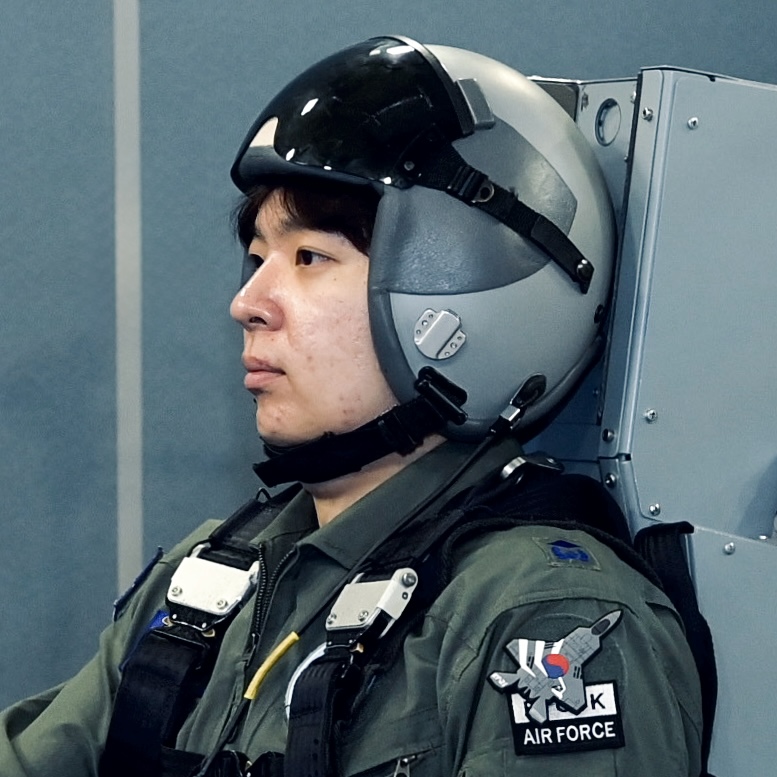
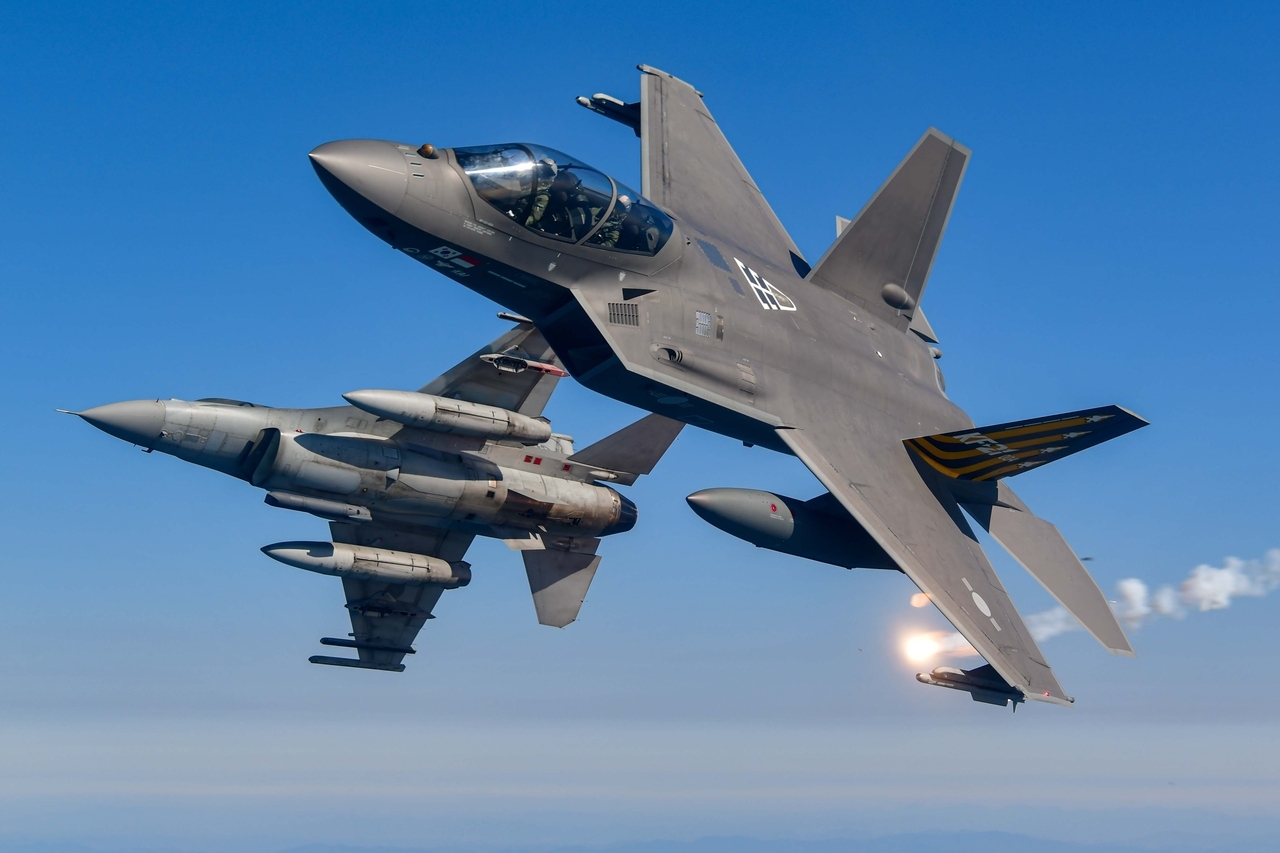
South Korea’s homegrown fighter jet KF-21 Boramae has received final combat suitability approval after years of performance verification, marking a major milestone in the country’s indigenous defense aviation program.
The Defense Acquisition Program Administration said Thursday that the KF-21 program had obtained a “combat suitable” decision. This final gateway in the development process confirms the aircraft can conduct missions in actual combat.
The decision came about three years after the fighter received a provisional combat suitability assessment in May 2023, and following additional testing and evaluations to verify the full performance of the KF-21 Block-I configuration.
According to DAPA, the assessment confirmed that the fighter met the Air Force’s required operational capabilities and secured the technical reliability and stability needed for real battlefield operations.
The KF-21 program, launched following then-President Kim Dae-jung’s 2001 declaration on developing an advanced domestically built fighter jet, officially entered the system development phase in December 2015.
Since beginning its first flight tests in 2021, the KF-21 underwent extensive ground and flight evaluations through February this year. Authorities said the aircraft completed some 1,600 test flights and verified around 13,000 flight test conditions, including air-to-air refueling and weapons release tests.
DAPA said the program also conducted various ground tests over roughly five years to evaluate durability and structural integrity.
With the latest approval, the KF-21 system development project is expected to be formally completed next month.
The first production model of the KF-21, rolled out in March, is scheduled to be delivered to the Air Force in the second half of this year, with additional aircraft to be deployed in phases afterward. The 4.5-generation fighter is expected to replace the Air Force’s aging third-generation F-4 and F-5 jets.
“The decision symbolizes that South Korea has fully secured independent fighter jet development capabilities,” Roh Jae-man, head of DAPA’s KF-21 project office, said in a statement.
“We will continue to push ahead with mass production and deployment without disruption to further strengthen the Air Force’s operational capabilities,” he added.
Under the current plan, DAPA aims to deliver 40 initial-production KF-21 fighters, focused mainly on air-to-air missions, to the Air Force by 2028. It plans to produce 80 additional jets with air-to-ground and air-to-ship capabilities by 2032, bringing the total fleet to 120.
flylikekite@heraldcorp.com
![[Exclusive] S. Korean Embassy to US woos Trump allies to expedite skilled visa talks](https://wimg.heraldcorp.com/news/cms/2026/09/29/rcv.YNA.20260924.PGT20260924167001009_R.jpg?type=h&h=120)
![[Exclusive] Enhypen to return with new album in November, agency confirms](https://wimg.heraldcorp.com/news/cms/2026/09/29/news-p.v1.20260929.41760e88b0f048fcb5fa3e0dd9b75524_R.jpg?type=h&h=120)