
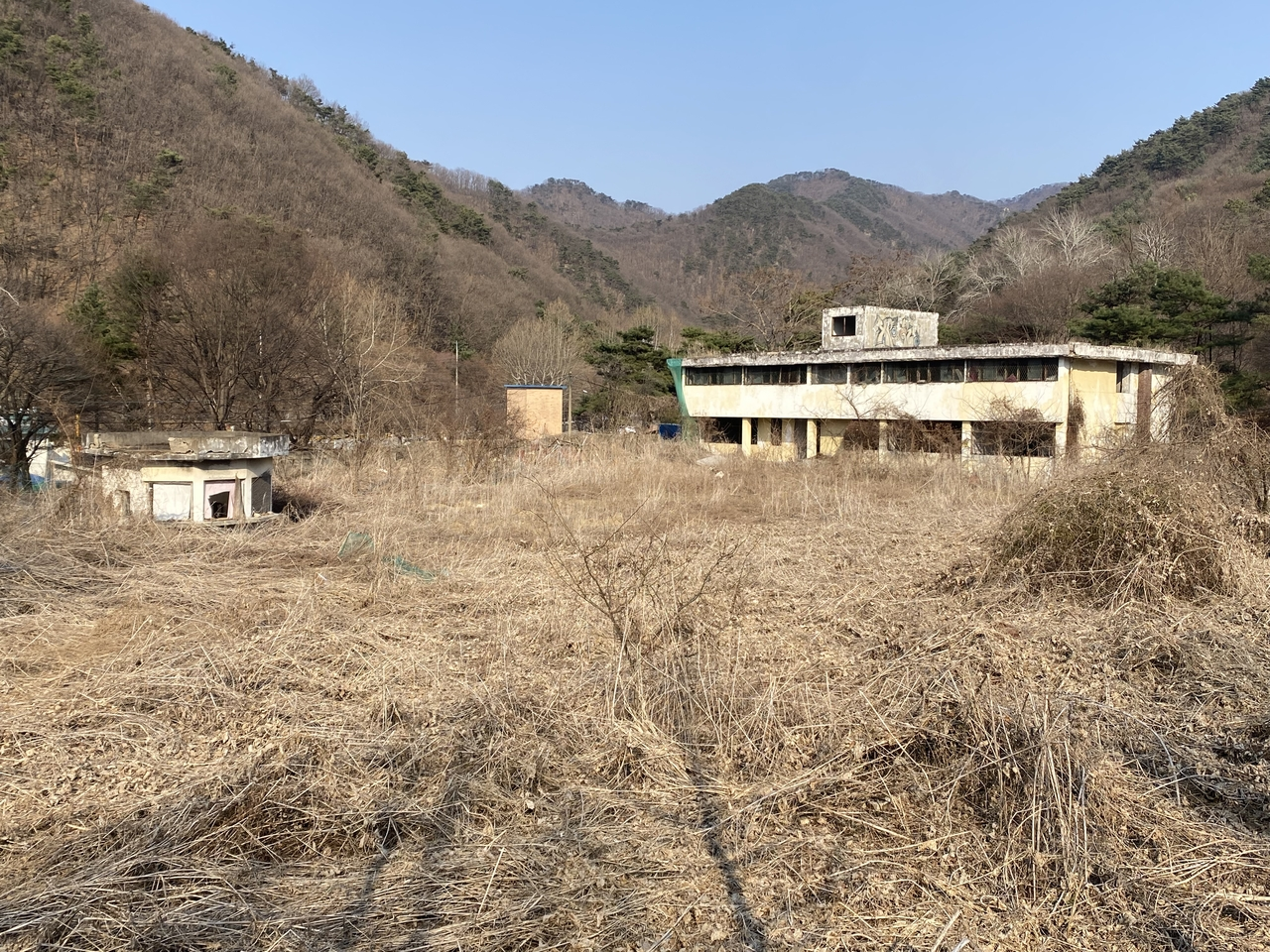
The Seoul Central District Court on Wednesday held the first preparatory hearing in a state compensation suit filed by 117 women who said they were forced into sexual slavery for US troops stationed in South Korea in the 1950s.
The lawsuit is filed against the South Korean government, while also seeking to establish liability related to unlawful acts by US forces.
The court ordered the defendant to submit a written response to the plaintiffs’ claims. Under South Korean law, a defendant contesting a claim must file an answer within 30 days of being served with a copy of the complaint. However, the government had yet to do so, even though the suit was filed in September last year.
In response, counsel for the defendant said the Korea Disease Control and Prevention Agency had been designated as the government body handling the litigation in relation to issues such as sexually transmitted infections. However, the lawyer added that the designation of a lead agency to jointly respond to claims involving alleged wrongdoing by US forces in Korea had been delayed.
The hearing was attended by two plaintiffs.
One plaintiff, surnamed Park, said she wanted to thank the judge, the lawyers and others who had taken an interest in the case.
“I came today to see how the trial will proceed and to share updates with the others,” she said. “I hope the judges will fully uncover what the US soldiers did to us and tell us everything without leaving anything out.”
Under the South Korea-US Status of Forces Agreement and the bilateral Mutual Defense Treaty, South Korea bears primary liability for damages arising from incidents involving US service members and others acting in the course of official duty, and may later seek reimbursement from the US side.
In 2022, the Supreme Court ruled in favor of the victims, saying the South Korean government’s creation and operation of camptowns, and its actions legitimizing prostitution, had violated its duty to respect human rights. The court found that the plaintiffs’ human dignity had been infringed upon by the state’s unlawful conduct.
The top court upheld a lower court ruling ordering the state to pay a total of 647 million won ($439,000) in damages to the 117 women, affirming for the first time in 70 years that the camptown system surrounding US military bases amounted to state-led violence.
According to the ruling, the women engaged in prostitution for US troops in camptowns near American military bases across South Korea from 1957 onward.
At the time, the government closely managed the camptowns, with public officials systematically encouraging prostitution by teaching the women English conversation and promising financial security in old age.
Many of the victims entered the camptowns in their teens, were isolated for decades and were pushed into prostitution. The government also sought to prevent the spread of sexually transmitted diseases by administering excessive doses of antibiotics to women identified as carriers, at times causing fatal shock reactions.
In March, Gender Equality and Family Minister Won Min-kyung issued the government’s first formal apology, saying she sincerely apologized for the state’s violation of the human rights of camptown women.
The victims, however, said the apology was only partial because it did not include the US.
seungku99@heraldcorp.com