
Iran, the United States and Israel agreed to a two-week ceasefire on Tuesday, an 11th-hour deal that headed off US President Donald Trump’s threat to unleash a bombing campaign that would destroy Iranian civilization. Hours after the announcement, Iran and Gulf Arab countries reported new attacks Wednesday, though it was not clear if the strikes would scuttle the deal.
All sides have presented vastly different versions of the terms. Iran said the deal would allow it to formalize its new practice of charging ships passing through the Strait of Hormuz. Trump said the US would work with Iran to remove buried enriched uranium, though Iran did not confirm that.
Pakistan and others said fighting would pause in Lebanon, which Israel has invaded to fight Iran-backed Hezbollah militant group, but Israeli Prime Minister Benjamin Netanyahu said early Wednesday that the deal doesn’t cover fighting against Hezbollah. Israeli strikes hit several dense commercial and residential areas in central Beirut Wednesday afternoon without warning, killing dozens and wounding hundreds of people .
Iran closed the Strait of Hormuz again Wednesday in response to Israeli attacks against the Hezbollah militant group in Lebanon.
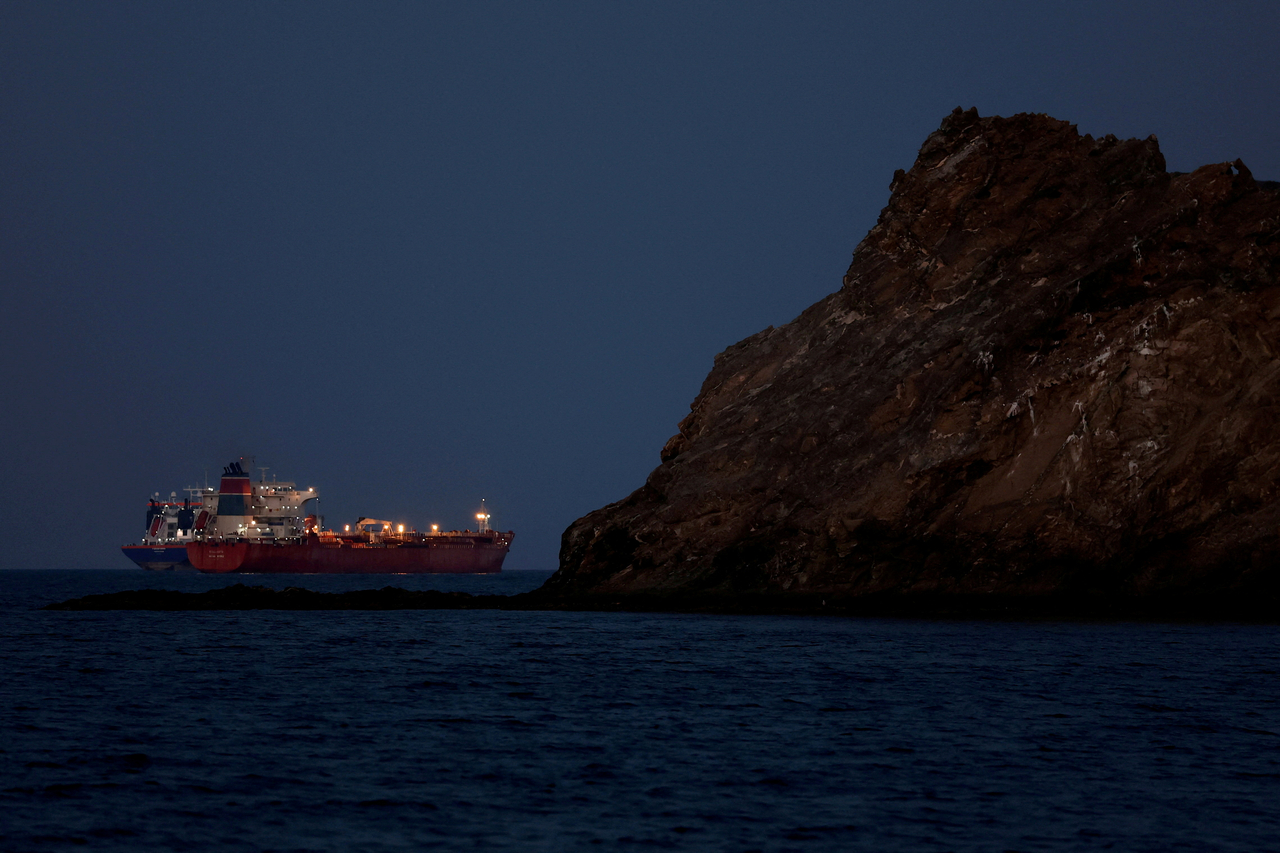
The ceasefire may formalize a system of charging fees in the Strait of Hormuz that Iran instituted — and give it a new source of revenue. Iranian attacks and threats deterred many commercial ships from passing through the waterway, through which 20 percent of all traded oil and natural gas passes in peacetime.
Here is the latest:
Israeli strikes kill Al Jazeera correspondent and 2 Lebanese journalists Israeli strikes on Wednesday killed an Al Jazeera correspondent in Gaza, according to the network and health officials there, as well as two Lebanese journalists in that country, according to the Committee to Protect Journalists and one of their networks.
Mohammed Wishah was targeted in a drone strike in west Gaza City. The Israeli military’s Arabic-language spokesperson, Avichay Adraee, said on X that Wishah was a member of Hamas, reposting a 2024 tweet that described him as a “prominent commander” in its military wing, among other positions.
In Lebanon, where Israeli strikes targeting Hezbollah killed more than 180 people Wednesday , Ghada Dayekh, a presenter with Sawt Al-Farah, and Suzan Khalil, a reporter and presenter on Hezbollah’s Al-Manar TV and Al-Nour Radio, also died.
Newly created Polymarket accounts bet big on US-Iran ceasefire in hours before Trump’s announcement A group of new accounts on the prediction market Polymarket made highly specific, well-timed bets on whether the US and Iran would reach a ceasefire on April 7, resulting in hundreds of thousands of dollars in profits for these new customers.
These bets were made even though, in the hours before a two-week ceasefire was announced on Tuesday, Trump’s rhetoric had escalated sharply and there were few signals that a ceasefire deal was imminent.
An analysis of publicly available blockchain data from Polymarket, using the crypto analytics platform Dune, shows that at least 50 accounts, or wallets, placed substantial “Yes” bets Tuesday before Trump announced the ceasefire in a Truth Social post at around 6:30 p.m. ET. (AP)