
National Archives restores 94-page scroll written by Rosetta Sherwood Hall
South Korea has restored and made public for the first time a 136-year-old scroll of travel letters written by Rosetta Sherwood Hall, an American medical missionary whose work helped lay the foundation for modern medicine and women’s medical education in Korea, the National Archives said Monday.
A rare trove of 19th-century letters offers a timely window into the earliest days of modern medicine in Korea and the daily life of Joseon as seen through foreign eyes.
Hall, who arrived in Korea in 1890 as a medical missionary, went on to establish the country’s first medical training institute for women and produced the first Braille textbooks in Korean.
She is widely credited with advancing women’s health care and contributing to the early development of Korea’s modern medical system.
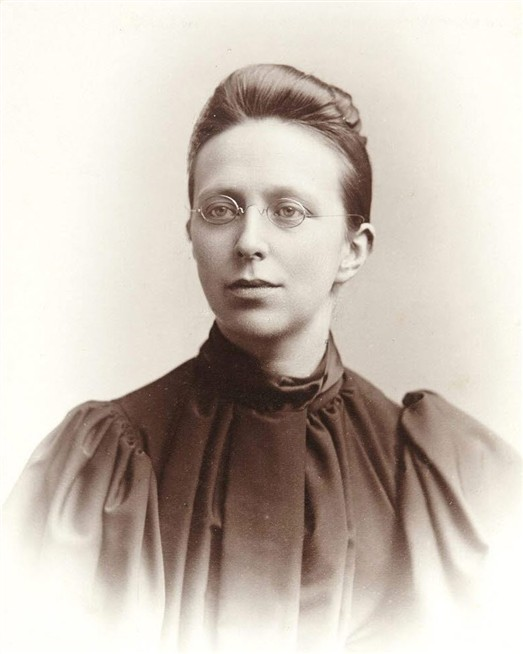
32-meter scroll of journey into late Joseon
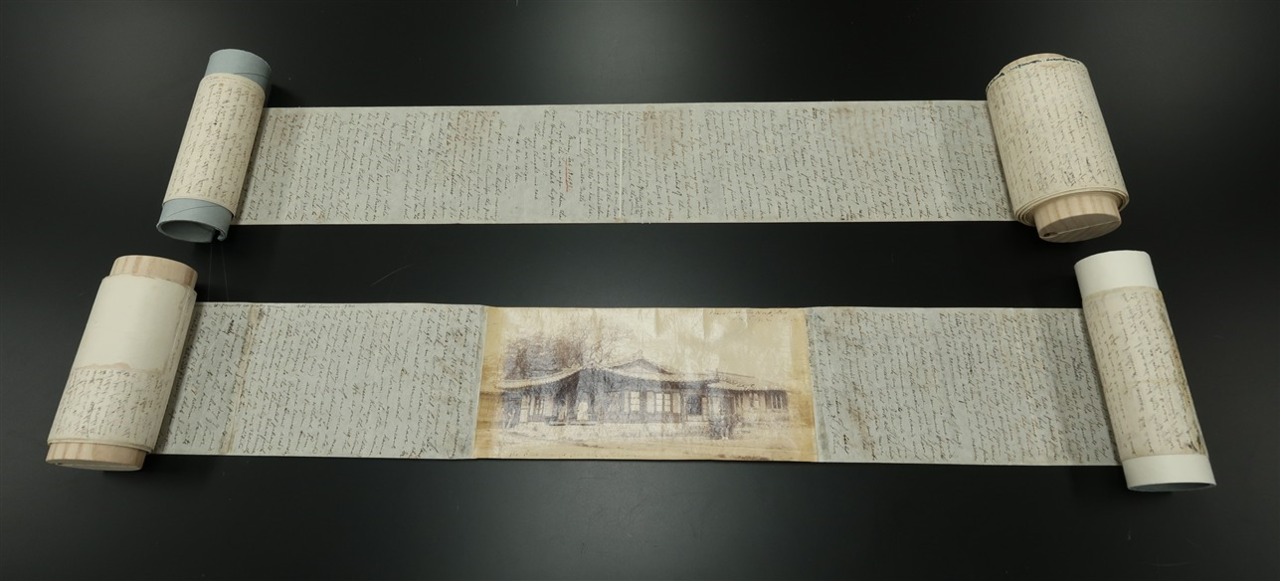
Comprising 94 sheets of handwritten English letters, meticulously attached end-to-end, the restored document stretches 31.8 meters long and 16.4 centimeters wide, forming two scrolls.
Hall wrote the letters between September 1890 and January 1891, as she prepared to leave for medical mission work and during her first few months in Joseon.
Addressed to her family back home, the letters detail Hall’s journey from San Francisco across the Pacific via Honolulu and Japan, and describe her early impressions and experiences upon arriving in Joseon.
The scroll includes vivid descriptions of 19th-century Korean life, medical conditions and public health challenges, offering researchers a rare firsthand account of the era.
Hall’s observations of the Pogunyogwan, a traditional hanok-style clinic for women, and accounts of daily life, from sedan chairs and traditional weddings to King Gojong’s reception of a Qing delegation, are accompanied by 59 rare photographs taken by Hall herself.
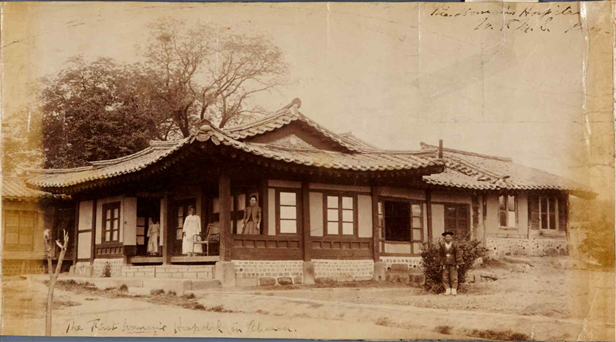
On my first day at the clinic, I saw four patients, and the next day, nine. Over nearly three months since then, I have treated a total of 549 cases, including 270 first-time patients and 279 return visits.
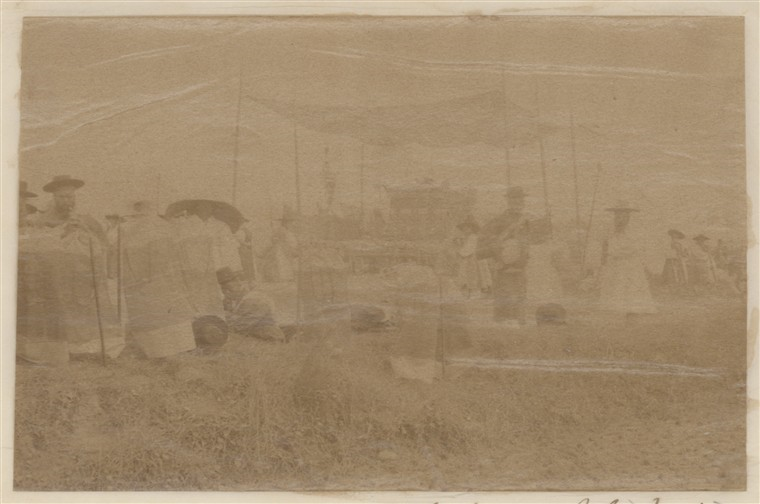
A bit of the procession at the funeral of the king’s mother.
One day since we have been here, the King went outside the city walls to
receive a great Chinese Ambassador. Such an occasion makes quite a
“Kukyong” (a sight) in Seoul, which many go to see. We went with
quite a number of other foreigners. The soldiers with rifles and bayonets, the
flags & canopies, the odd musical instruments and the different costumes
did make indeed quite a sight for us! We saw the Chinese Embassador, and caught a glimpse of our Korean King Li Hi.
Restoration process
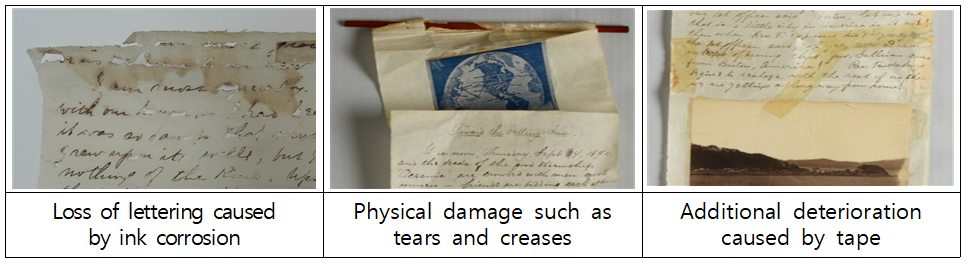
The document had significantly deteriorated, including corrosion caused by iron gall ink — commonly used in the 19th century — and discoloration from aged adhesive tape.
The scroll had also been tightly wound around a thin, 0.3-centimeter wooden rod, causing severe creasing and physical strain.
Over the past 18 months, the National Archives conducted a comprehensive restoration. Conservators removed contaminants, reinforced areas where the ink had degraded the paper, and strengthened the record using restoration-grade hanji, or traditional mulberry paper.
To prevent further physical damage, the document was rerolled using a thick, traditional-style rod designed to minimize tension and stored in a protective paulownia wood case.
The restored letters have also been digitized at high resolution to facilitate public viewing, research, and future exhibitions.
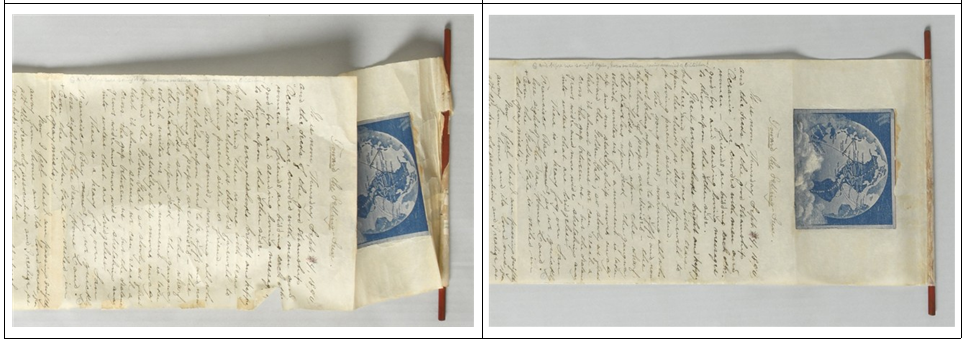
The restored letters can now be viewed through the websites of the Yanghwajin Archives and the National Archives.
National Archives Director Lee Yong-chul said the release of Hall’s scroll on Health Day carries special significance, highlighting its value to both the public and researchers.
“We are committed to ensuring the safe, permanent preservation of historically important documents through our advanced restoration technologies,” he said.
The National Archives said it has restored more than 9,200 historical documents from public and private institutions since launching its tailored restoration support program in 2008.
jychoi@heraldcorp.com