
The Korean American rapper argues diaspora voices expand — rather than dilute — the meaning of Korean culture
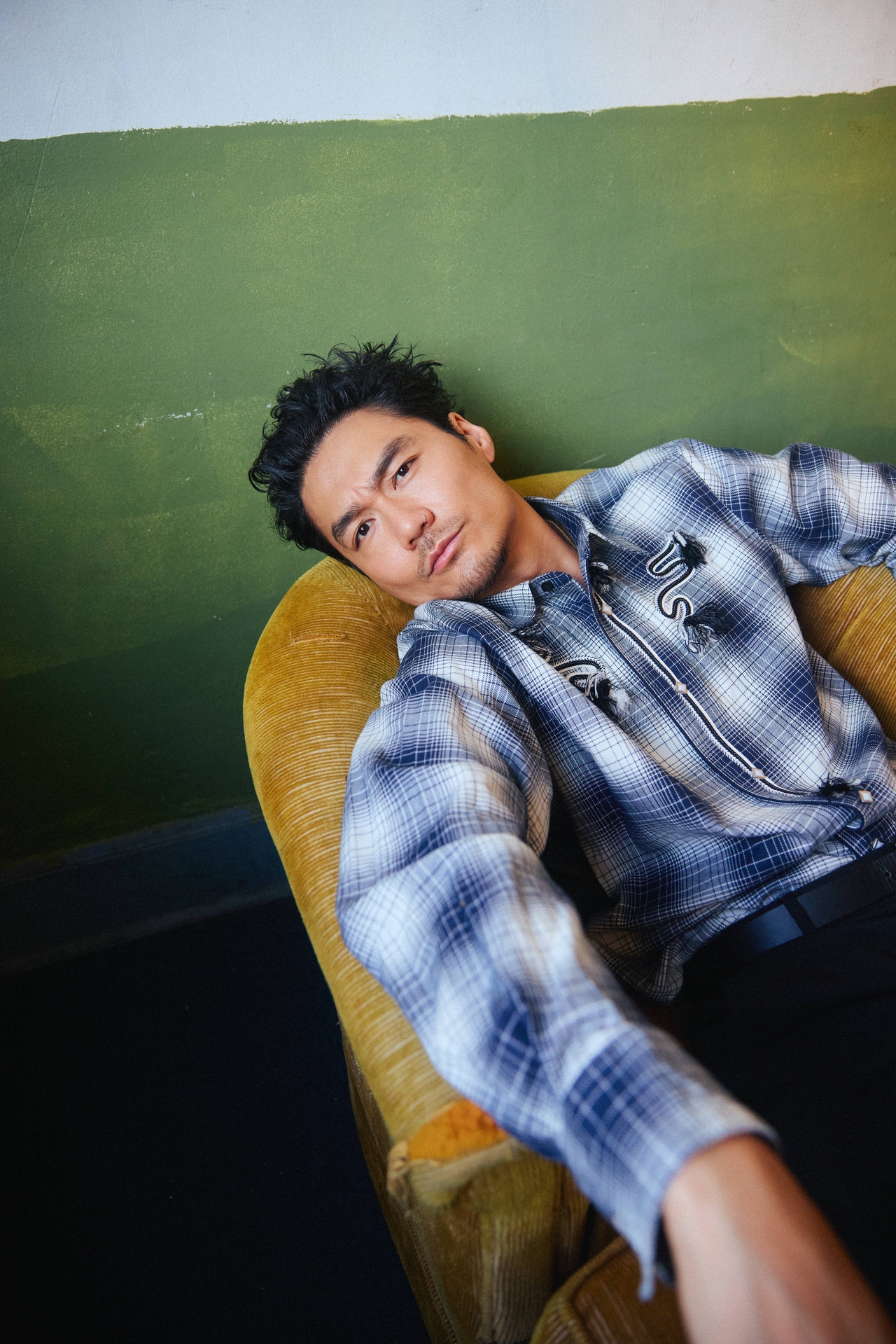
As Korean culture gains global momentum, questions of identity and authenticity are increasingly moving to the forefront — particularly for Korean American artists navigating both worlds.
For Jonnie Park, also known by the stage name Dumbfoundead, the premise itself is flawed.
“Being Korean American means you’re 100 percent Korean and 100 percent American. It’s not 50-50,” he said.
Rejecting the long-standing narrative that Korean Americans exist between two worlds, Park instead frames identity as something additive rather than divided — an outlook shaped not by theory, but by lived experience.
That experience is rooted in Los Angeles’ Koreatown, the neighborhood where he was raised and still lives.
“Koreatown is very unique location. … It’s not really like America. It’s like this pocket of like a special area where you get like some wild Koreans but you’re mixed in with Latinos,” he said.
In Park’s telling, Koreatown is not simply an extension of Korea transplanted into the US, but a distinct cultural ecosystem. Though defined by Korean businesses, language and identity, the area is largely Latino in population, creating a hybrid space where cultures intersect daily.
“Koreatown is not even majority Korean. It’s majority Latino … but you have a strong community of Koreans and identity,” he said.
Growing up in that environment, Park said he never experienced the sense of cultural confusion often associated with the Korean American identity. Instead, he describes himself less as someone caught between two cultures, and more as a product of a third — one shaped by Koreatown’s unique blend of influences.
“I think I’m more Koreatown than both of those,” he said, referring to Korea and the US.
Authenticity debate
That perspective also shapes his response to growing debates over authenticity, particularly as Korean culture expands through global platforms.
The discussion has intensified around projects involving Korean Americans, such as Netflix’s 2025 animated hit “KPop Demon Hunters,” which some critics in Korea have argued is not “fully Korean.”
Park rejects that notion outright.
“I think it’s false, I actually think it’s more Korean than Korean. The global impact of it, everyone else thinks it’s Korean,” he said. “I think Koreans are mad that the biggest thing ever that’s Korean culture wasn’t directly from Korea.”
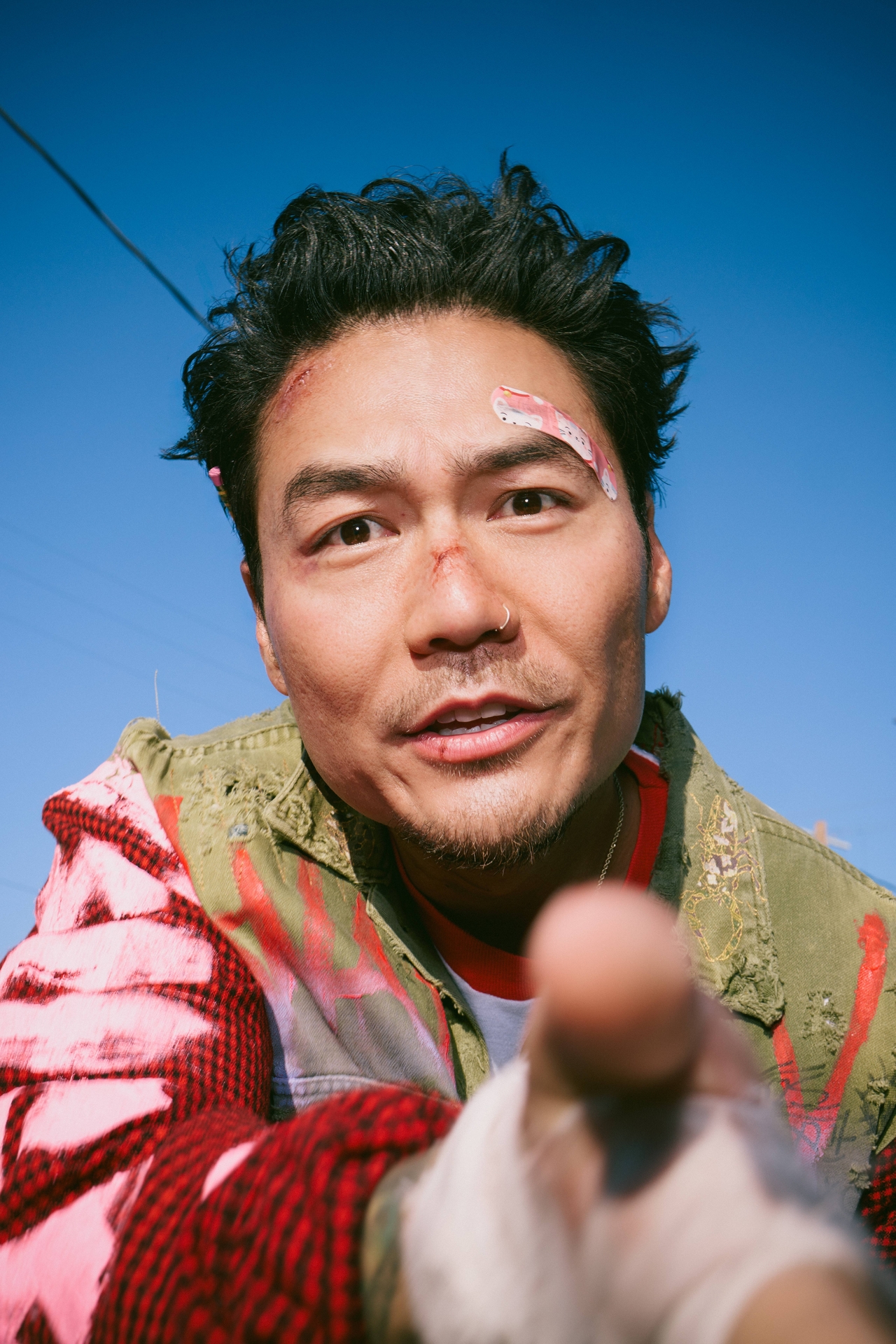
He suggested that the criticism may reflect underlying tensions, especially when Korean American-led projects achieve global milestones ahead of domestically produced works.
Rather than diminishing authenticity, Park argues that Korean American creators expand the boundaries of Korean culture, bringing perspectives that resonate more broadly with global audiences.
“Koreans would not want to make a cartoon with hanboks and ttokbokki. That had to have come from a Korean American because Koreans think that's too corny to put in like a Korean animation,” he said.
Despite Korean culture’s rapid global rise, Park believes structural barriers remain — particularly in how K-pop engages with the US mainstream.
He argued that Korean artists need stronger media training and are often reluctant to speak openly in interviews.
“I think Korean pop stars or Korean figures need to be more media trained. They’re not willing to talk,” he said.
That hesitation extends to social and political issues in the US, which he sees as essential for any artist seeking deeper cultural integration.
“If you’re going to involve yourself with American culture, you have to be willing to talk about American politics or any kind of American stuff,” he said.
American audiences, he noted, are shaped by diverse racial and cultural dynamics, and avoiding those realities can limit meaningful connection.
“Your fan base is Black, your fan base is Latino, your fan base is white. If you don’t talk about it, that’s the only thing I think holding back Koreans,” he said.
jaaykim@heraldcorp.com