The limit on coal-fired power plants will cease entirely, while that on nuclear power reactors will be loosened, as part of Seoul's response to the threat of an energy crisis due to conflict in the Middle East, the ruling Democratic Party of Korea said Monday.
Rep. Ahn Do-geol of the Democratic Party said that starting Monday, the limit on coal-fired power plants' capacity, set at 80 percent, will be lifted.
Also, the capacity utilization rate of South Korean nuclear power reactors will be swiftly raised to 80 percent from the typical rate at slightly below 70 percent. According to Ahn, this can is achievable through the earlier-than-planned refurbishment of six nuclear plants in South Korea by the end of May.
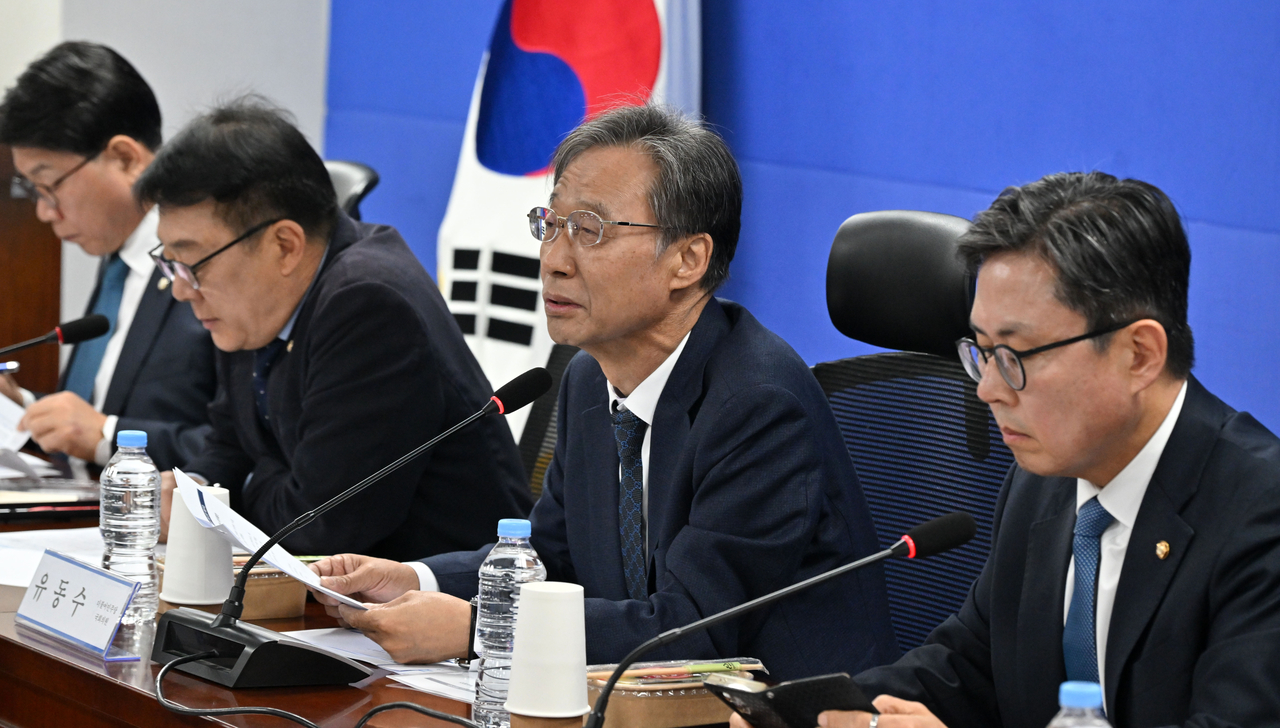
Increasing the output of power plants while reducing energy consumption will be key to addressing the crude oil supply disruption posed by the Middle East conflict, Ahn told reporters after the meeting with Democratic Party lawmakers, high-ranking government officials and representatives of business advocacy groups.
The closed-door meeting was held to discuss South Korean firms' countermeasures in response to the Middle East situation.
Discussions will likewise begin Monday in the National Assembly's Strategy and Finance Committee on a bill package to stabilize the foreign currency exchange market, according to Ahn.
The liberal lawmaker also said that the government was planning to propose legislation for a supplementary budget by late March, in line with the liberal administration's move to preemptively deal with the downward pressure on South Korea's export-driven economy.
The parliamentary review process "could take roughly 10 days" once the supplementary budget bill is drafted, Ahn said.
His remarks came after President Lee Jae Myung instructed his secretaries on Thursday to swiftly draft the extra budget bill to maintain momentum for economic recovery.
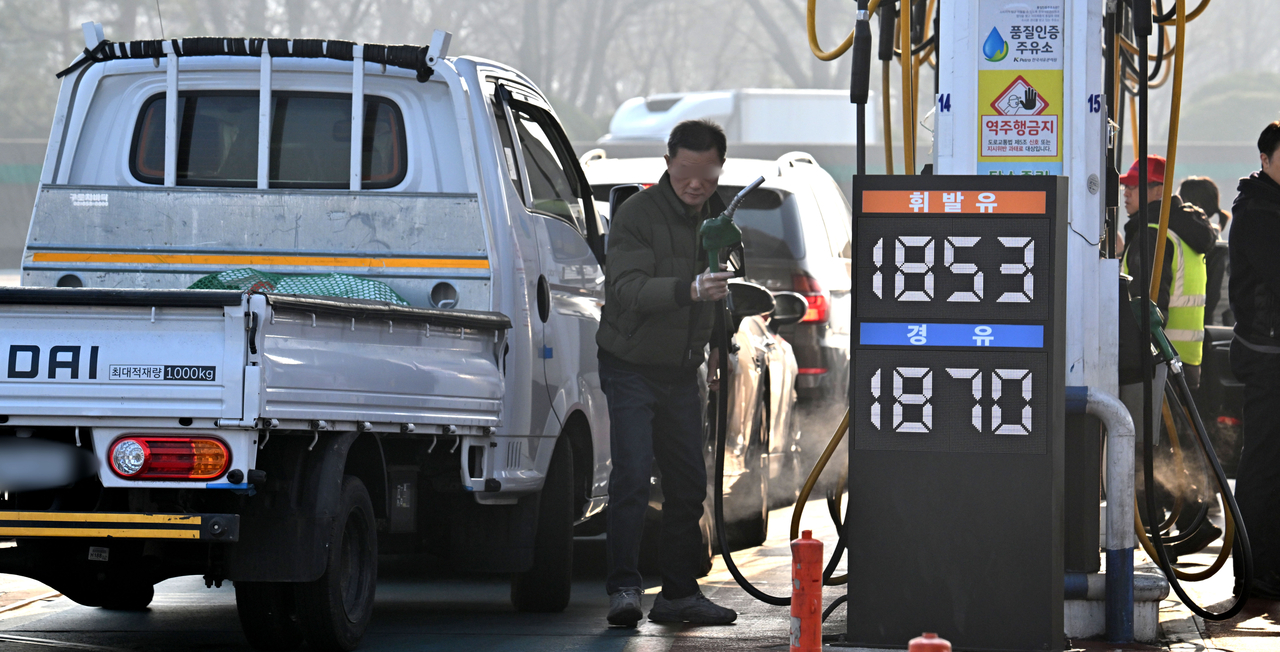
If approved by the National Assembly, the extra budget would be used to reimburse funds the government spends to maintain the fuel price cap system implemented Friday and to help South Korean businesses weather higher fuel prices, manage logistics constraints and transition away from fossil fuels, according to Ahn.
Regarding speculation the supplementary budget could amount to up to 20 trillion won ($13.4 billion) given the level of excess tax revenue, Ahn said the administration "is not at the stage of discussing the size of the supplementary budget."
Ahn also said the Industry Ministry later this week will raise South Korea's alert level concerning the situation in the Middle East by a notch to "caution," the second-lowest level but more serious than the lowest level of "attention." The announcement will come along with its plan to tap South Korea's oil reserves. The Yeosu Industrial Complex will also be included in the government's emergency support.
The government will also inject some 670 billion won in relief for small enterprises facing liquidity shortages due to the Middle East conflict.
consnow@heraldcorp.com