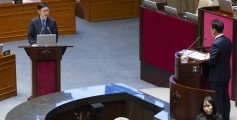
Global Business Forum session spotlights crypto policy trends, joined by New Zealand envoy
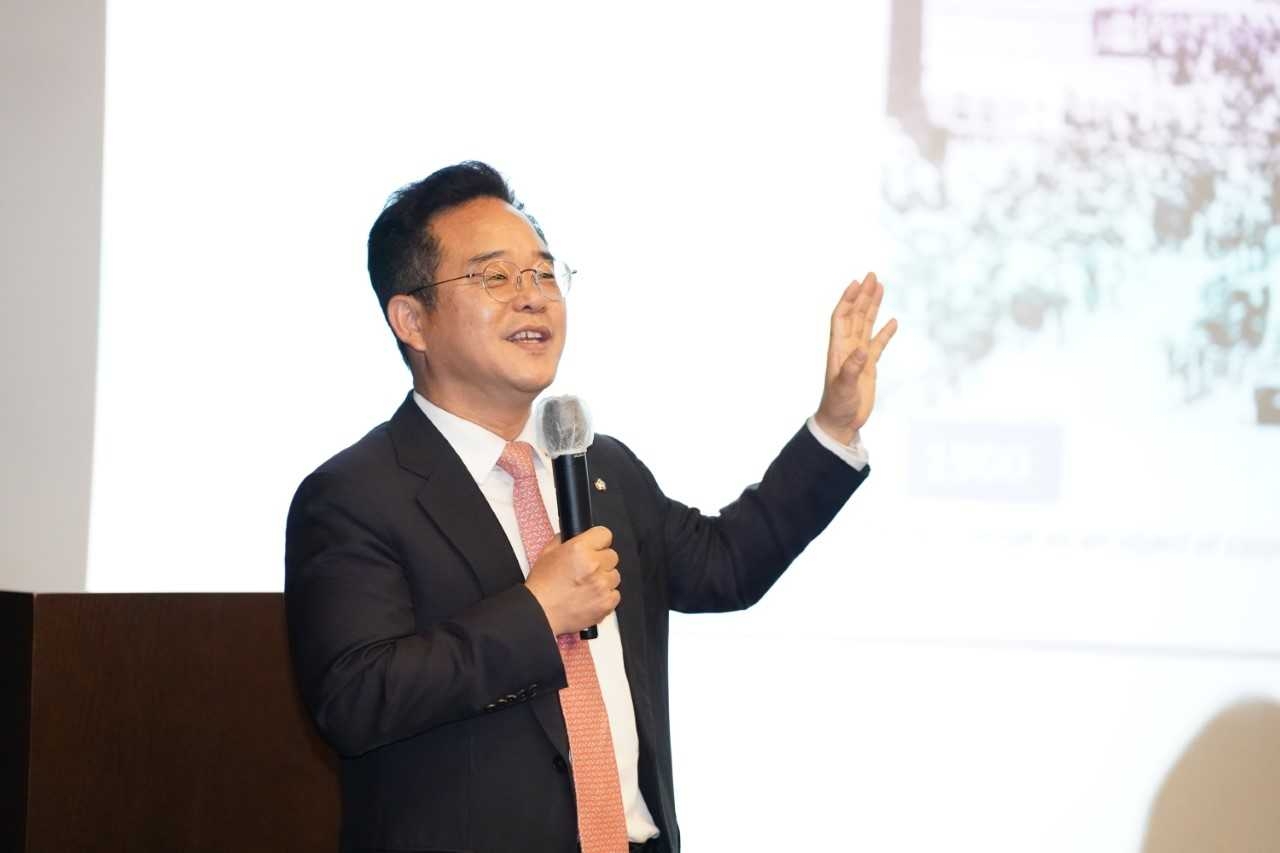
South Korea must move quickly to institutionalize stablecoins to protect its payment sovereignty and stay competitive in a rapidly changing global financial system, Rep. Min Byoung-dug of the Democratic Party of Korea said Wednesday.
Speaking at the final session of the eighth Global Business Forum, hosted by The Korea Herald and Herald Business in Seoul, Min urged the government and traditional financial institutions to accelerate legalization efforts and expand the use of stablecoins. He warned that delays could leave Korea vulnerable as global payment standards evolve.
“Stablecoins are no longer a question of whether we should do them or not,” said Min, a member of the National Assembly’s Political Affairs Committee and a key figure in Korea’s crypto policy debate. “The only question left is how fast and how well we do them.”
Min described stablecoins as an inevitable tool for cross-border payments, trade settlement and remittances, noting that dollar-based stablecoins are already becoming embedded in global commerce. If Korea fails to develop and deploy a won-backed alternative in time, he warned, monetary sovereignty could gradually erode.
Dollar-pegged stablecoins, Min said, represent a new form of monetary power that countries cannot simply opt out of. As they offer faster and cheaper transactions, Korean companies may soon find themselves compelled to accept dollar-based tokens in overseas trade regardless of national policy preferences.
Signs of that shift are already emerging domestically. Some small businesses are paying foreign workers in dollar-based stablecoins at their request, while firms are exploring their use in international settlements. Once such practices become routine, foreign stablecoins risk becoming entrenched in everyday transactions before domestic rules are in place, Min said.
“That’s when monetary sovereignty disappears,” he warned, adding that payment standards, once widely adopted, are difficult to reverse.
Despite the growing urgency, Korea’s regulatory framework for digital assets remains incomplete. Authorities have so far focused on investor protection and anti-money laundering rules under the Virtual Asset User Protection Act. Broader institutional foundations for digital assets, including stablecoins, have been largely unaddressed.
Policy discussions are now shifting toward more structural legislation. Regulators and lawmakers are preparing a second-stage framework tentatively titled the Digital Asset Basic Act. This would formally recognize cryptocurrencies as digital assets, define their legal status, and establish principles governing issuance and use beyond speculative trading.
Min stressed that a won-backed stablecoin should be framed not only as a defensive tool, but also as a growth strategy. Rather than competing directly with dollar-based tokens, Korea should design stablecoins with differentiated use cases that leverage the country’s strengths.
“If we make a stablecoin that’s especially useful for cultural payments or for small businesses, and turn global users into repeat customers, Korea can secure a meaningful share of the market,” he said.
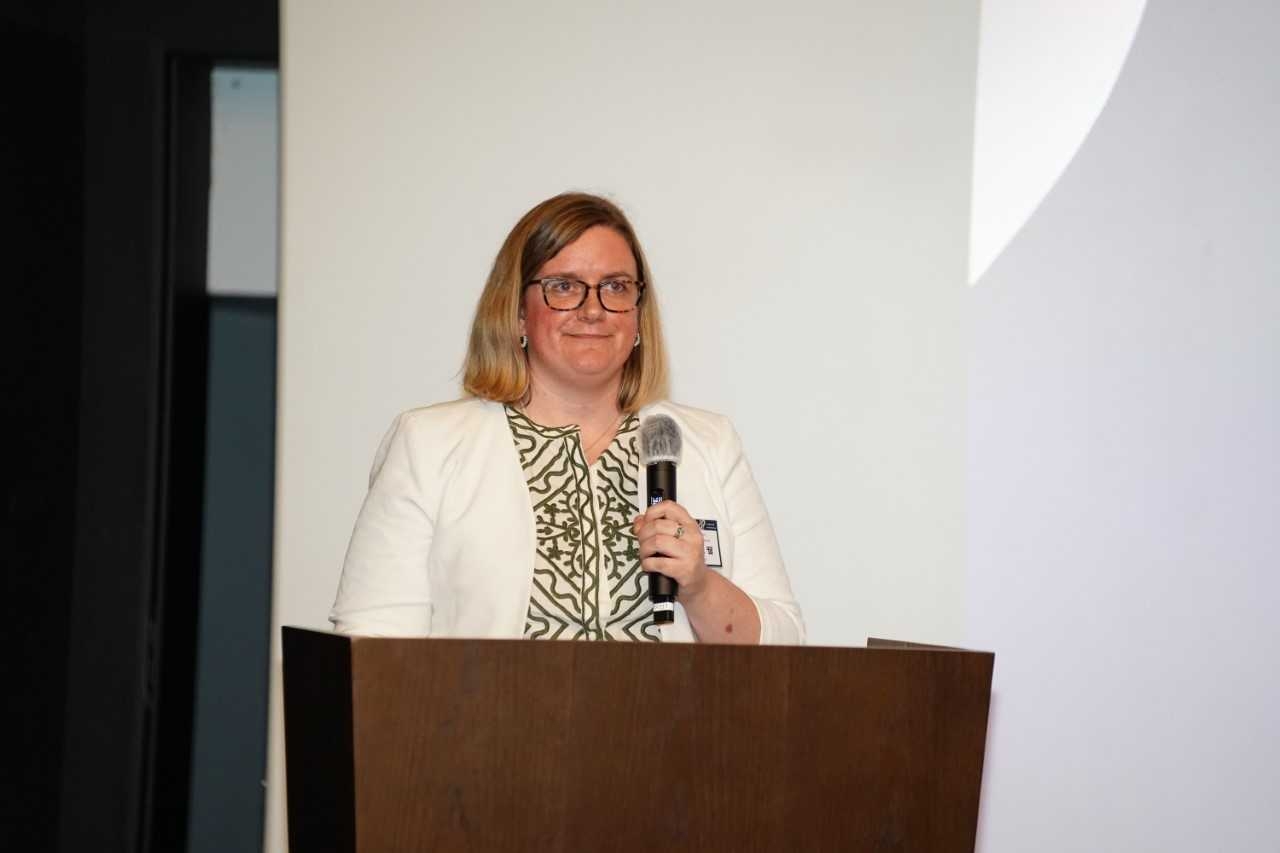
Also speaking at the forum, Deputy Head of Mission Sarah McDowell of the New Zealand Embassy in Seoul underscored growing bilateral trade ties in her welcoming address, highlighting New Zealand as an open, reliable destination for business and investment.
“Two-way trade has more than doubled since our free trade agreement entered into force ten years ago, and Korea is now New Zealand’s fifth-largest trading partner,” McDowell said.
“New Zealand is more than a destination. It is a partner, a community and a place where dreams can thrive.”
jwc@heraldcorp.com