
Alarmed by the rapid rise of drug offenses involving younger Koreans, the government is strengthening its anti-narcotics strategy through new reporting mechanisms and a centralized oversight body aimed at curbing youth drug abuse.
The measures, which include an anonymous reporting system and a centralized control tower for drug-crime oversight, follow a sharp rise in young offenders, whose share of total drug cases surged from 41.7 percent in 2018 to 61.8 percent in the first 10 months of this year.
The city of Seoul announced Monday that it has launched an illegal drug crime reporting system for adolescents on KakaoTalk.
Using the messenger’s anonymous open chat room function, the city collects reports of illegal drug trafficking, which are delivered directly to its dedicated investigators. The system also offers support that can lead to treatment for adolescents exposed to such substances.
The city said cases involving adolescents caught for illegal drug offenses increased sharply, from 143 in 2018 to 649 in 2024. As social media was used as a trading channel in 97.5 percent of these cases, the city chose a mobile platform to better respond to the trend.
Although adolescents account for about 3 percent of total illegal drug cases, authorities view them as a critical group, as they often precede offenders in their 20s, who make up more than 30 percent of total cases as of 2024.
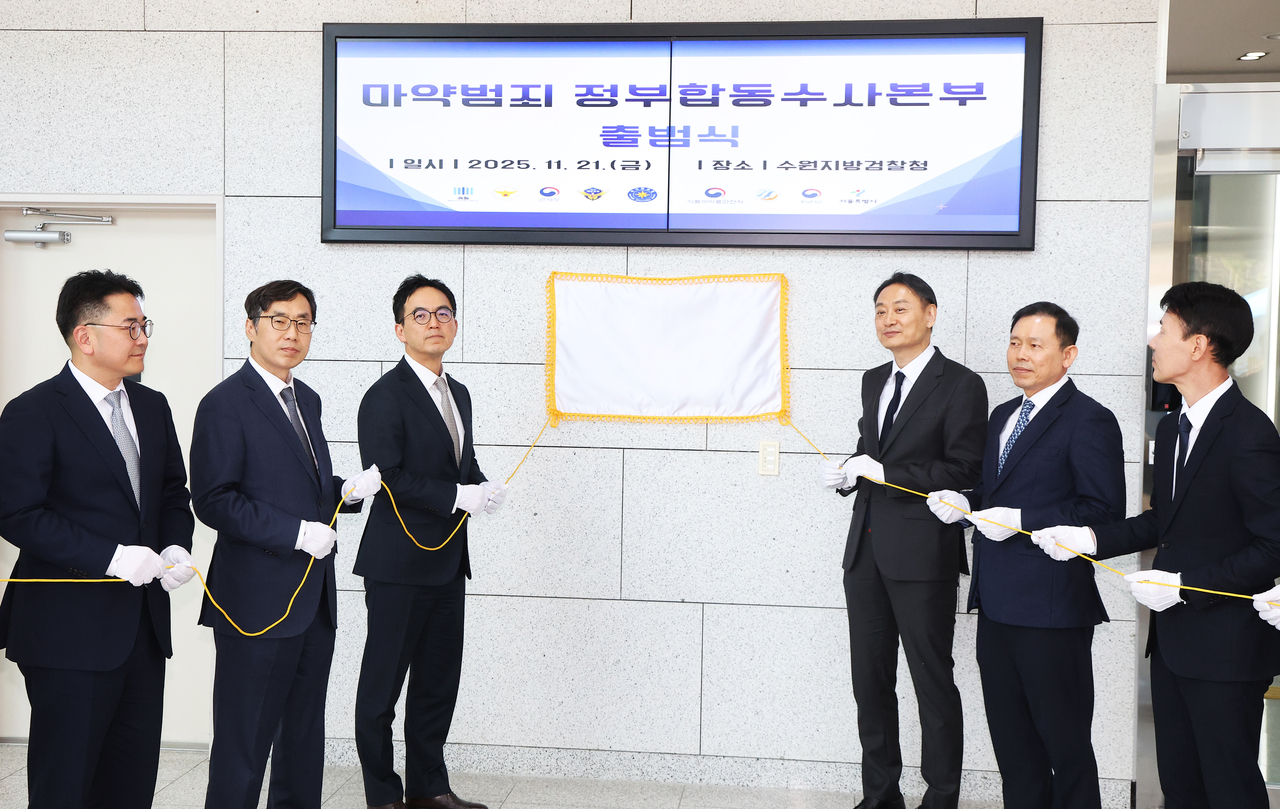
The surge in younger offenders also prompted the launch of Korea’s first comprehensive drug investigation control tower in late November.
Eight government entities, including the city of Seoul, the prosecution, police, the customs service and the National Intelligence Service, have formed a joint investigation headquarters to crack down on illegal drug-related crimes.
Prosecution authorities said the rapid rise in illegal drug trafficking via social media, largely involving people in their teens to their 30s, created the need to bring together each agency’s expertise and information.
The headquarters brings together 42 prosecution officials, 33 police officers and 11 representatives from other participating agencies.
“The joint headquarters will play a leading role in addressing illegal drug crimes and will take part in all related processes, including investigation, crackdowns, treatment, recovery and prevention,” a prosecution official said.
forestjs@heraldcorp.com