

Yong, 36, under fire for joining DP-led electoral alliance to win election, allegedly hiring husband, ties to underground party
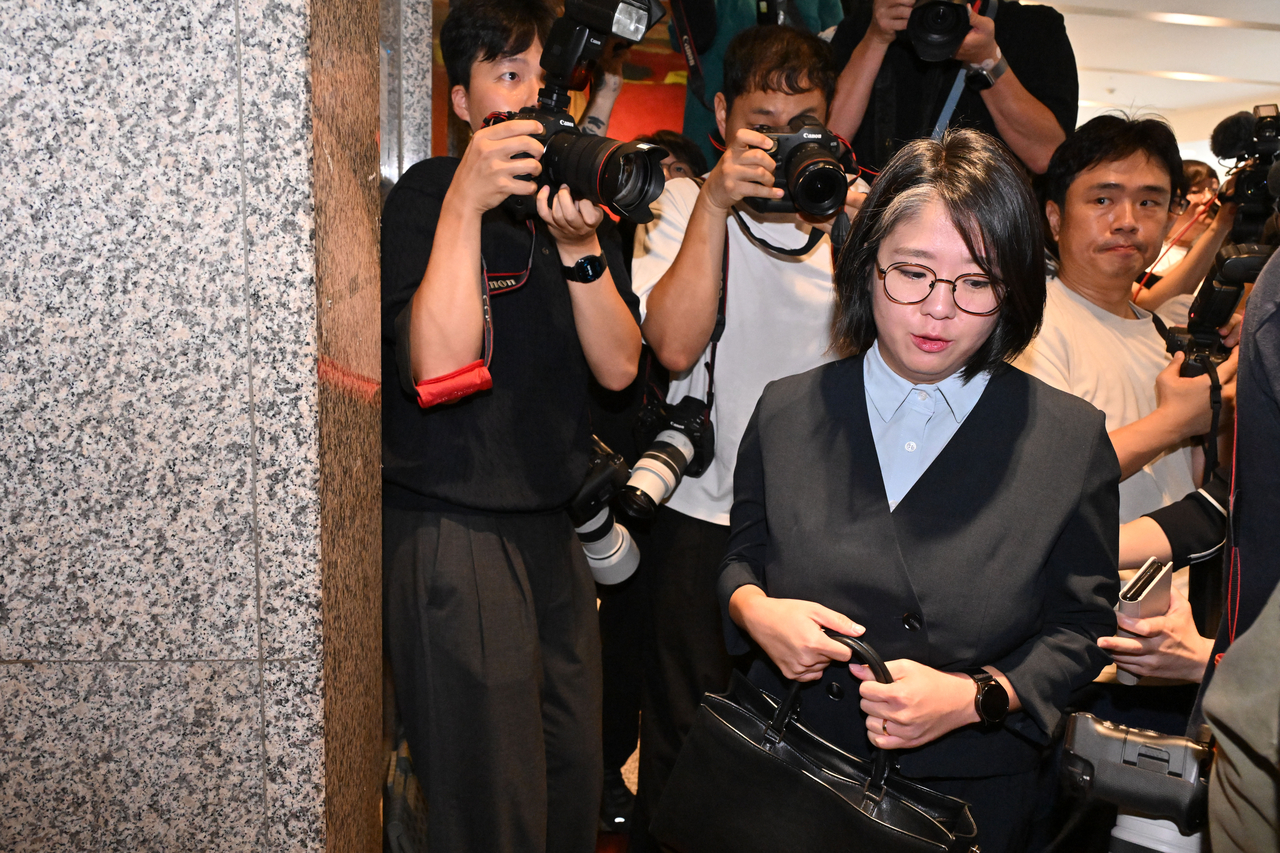
Criticism is mounting against Rep. Yong Hye-in, a left-wing lawmaker with the minor Basic Income Party who was nominated Sunday to be the next gender equality minister, over her intention to serve in the Cabinet without giving up her parliamentary seat.
Yong has come under fire for refusing to relinquish her seat, with some critics accusing her of trying to retain political privileges and pointing to what they describe as "foul play."
Others argue her decision runs counter to an unwritten convention under which lawmakers elected through proportional representation do not concurrently serve as Cabinet ministers.
Adding to the pressure on the 36-year-old, who is the youngest ministerial nominee in South Korean history, are allegations involving her ties to an underground political party and nepotism in the operation of the Basic Income Party.
On her way to an office in Seoul on Wednesday to prepare for her confirmation hearing, Yong told reporters she was "well aware" of media reports and speculation surrounding her and said she would offer an explanation to the public later.
Asked whether her earlier position that she would serve simultaneously as a minister and lawmaker remained unchanged, Yong said, "I understand that a confirmation hearing is ... a venue where I communicate with the public, so I will faithfully prepare for the hearing."
Yong's plan to retain her parliamentary seat has drawn criticism not only from the right-wing opposition People Power Party, but also from politicians on the left, including of the ruling Democratic Party of Korea. Under South Korea's electoral system, Yong's departure from the National Assembly would result in the addition of a Democratic Party lawmaker.
In a Facebook post Monday, Yong asked other politicians for "understanding," arguing that her departure from the National Assembly would "directly affect the future" of the Basic Income Party. She also acknowledged that her refusal to leave the legislature "could be perceived as a privilege or special benefit."
Under the National Assembly Act, a lawmaker may concurrently serve as prime minister or a Cabinet minister. In practice, however, the arrangement has not conventionally applied to lawmakers elected through proportional representation in South Korea.
The departure of Yong, who is the only Basic Income Party lawmaker at the National Assembly, would disqualify her party from receiving state subsidies under the Political Funds Act.
Rep. Song Young-gil, a six-term lawmaker for the Democratic Party, said in a radio interview Wednesday that Yong's "greed" for power raised questions over whether the president's nomination of her would appeal to younger generations who place a premium on justice and fairness.
Describing Yong as someone who "rose to prominence quickly while receiving preferential treatment," Song said her intention to serve simultaneously as a minister and lawmaker would be "seen as greed" from the public's point of view. He also pointed to her having won National Assembly seats twice through proportional representation, a rare occurrence in South Korean politics.
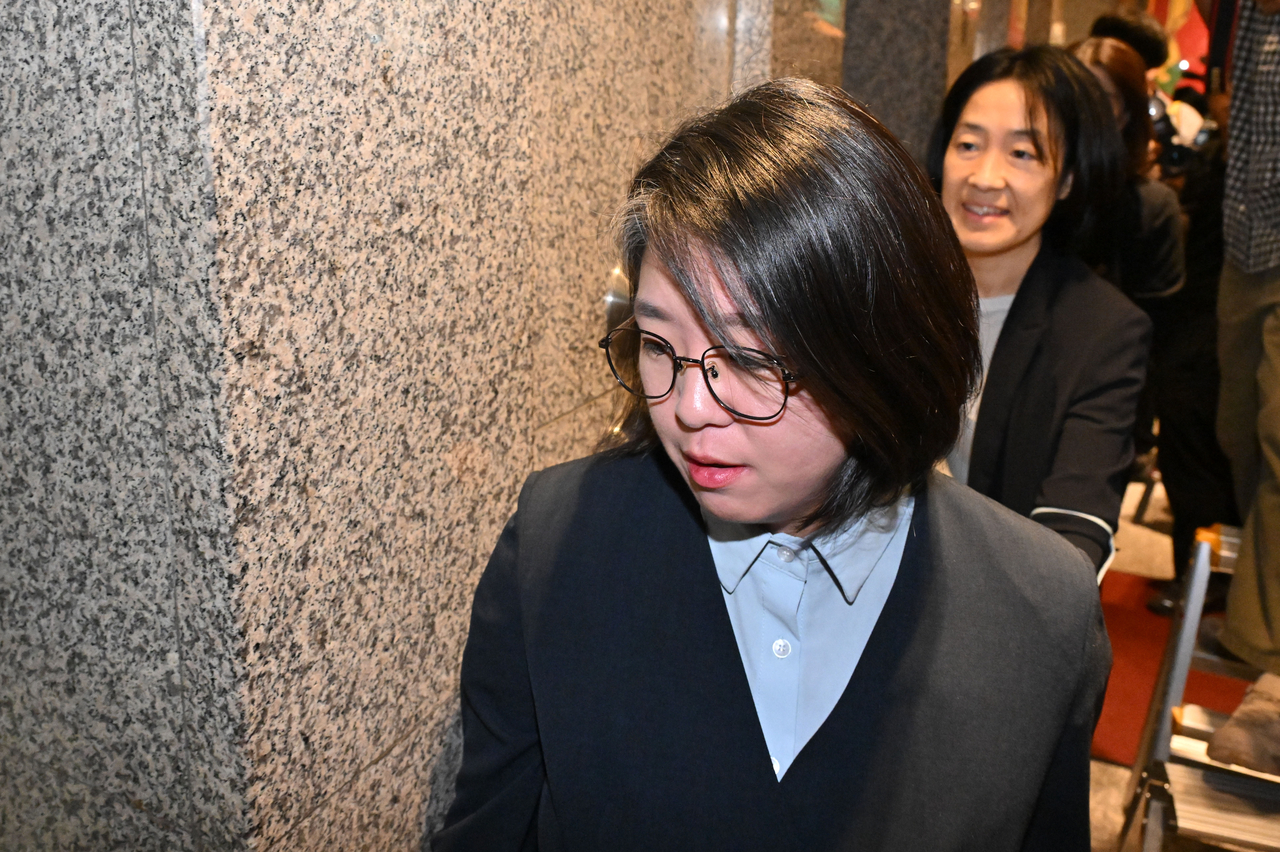
Criticism from both sides of the aisle has focused on the Basic Income Party's decision to join a Democratic Party-led satellite ahead of the general elections.
South Korea partially adopted a mixed-member proportional representation system starting with the 2020 general election, with the aim of breaking away from the two-party system and helping minor parties secure more seats. Instead, the two major rival parties created temporary satellite parties to maximize the number of proportional representation seats they could win.
Yong's Basic Income Party joined the Democratic Party-led alliance for proportional representation in the general elections in 2020 and 2024, putting Yong in the National Assembly twice.
Rep. Na Kyung-won of the People Power Party on Wednesday labeled the arrangement as "collusion" between the Democratic Party and Basic Income Party, accusing them of creating "loopholes in the (electoral) system that led to (their) political privileges."
Not all minor parties joined the Democratic Party's initiative. The Justice Party, for example, refused to participate and went on to lose all six of its National Assembly seats in the 2024 election.
Jang Hye-young, a former Justice Party lawmaker, criticized Yong in an interview Tuesday for "winning seats through foul play."
"What you gained through that foul play is so precious to you that you want to continue serving as a minister. But you hope the public will understand the penalty you incurred from that foul play," Jang said. "What kind of sophistry is this?"
Meanwhile, Yong has remained silent on controversies surrounding her alleged connections to left-leaning underground political groups, as well as allegations she hired her husband for a key post in the Basic Income Party.
Rep. Ahn Cheol-soo of the People Power Party wrote via Facebook on Wednesday, "Has there ever been a political party where one lawmaker, her family and their aides monopolized the positions of the party's leadership?"
Yong was also sued Wednesday for alleged power abuse over her and her family's use of a lounge in Gimpo Airport while on a family trip to Jeju Island in 2023.
consnow@heraldcorp.com