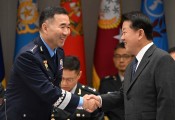


South Korea replaced 14 of its 18 regional police chiefs in a sweeping leadership reshuffle Tuesday, installing new commanders in Seoul, Gwangju and Jeju Island as the force grapples with public anger over recent investigative failures.
The Korean National Police Agency said it applied a policy barring chiefs from serving in regions where they have personal ties to all 18 posts, in an effort to strengthen fairness and reduce the risk of collusion between senior officers and local communities.
Kim Jong-chul, formerly chief of the Gyeongnam Provincial Police Agency, was appointed deputy commissioner general and became acting head of the KNPA, replacing Yoo Jae-seong. Ko Beom-seok, formerly chief of the Jeonnam Provincial Police Agency, was named Seoul police chief.
The reshuffle follows criticism of police handling of a murder case in Gwangju and the false closure of a missing person case on Jeju Island. The KNPA did not formally describe the personnel changes as disciplinary.
Policing failures fuel public distrust
A permanent commissioner general has yet to be appointed, but Kim highlighted growing public distrust in police investigations and administration as he prepared to take over as acting chief.
“I am worried that public distrust of police investigations and administrative affairs has surpassed a critical point,” Kim told reporters before his farewell ceremony Wednesday at the Gyeongnam Provincial Police Agency in Changwon, South Gyeongsang Province.
“There is a need to examine every detail across all aspects of police work to the extent that it could be described as a redesign.”

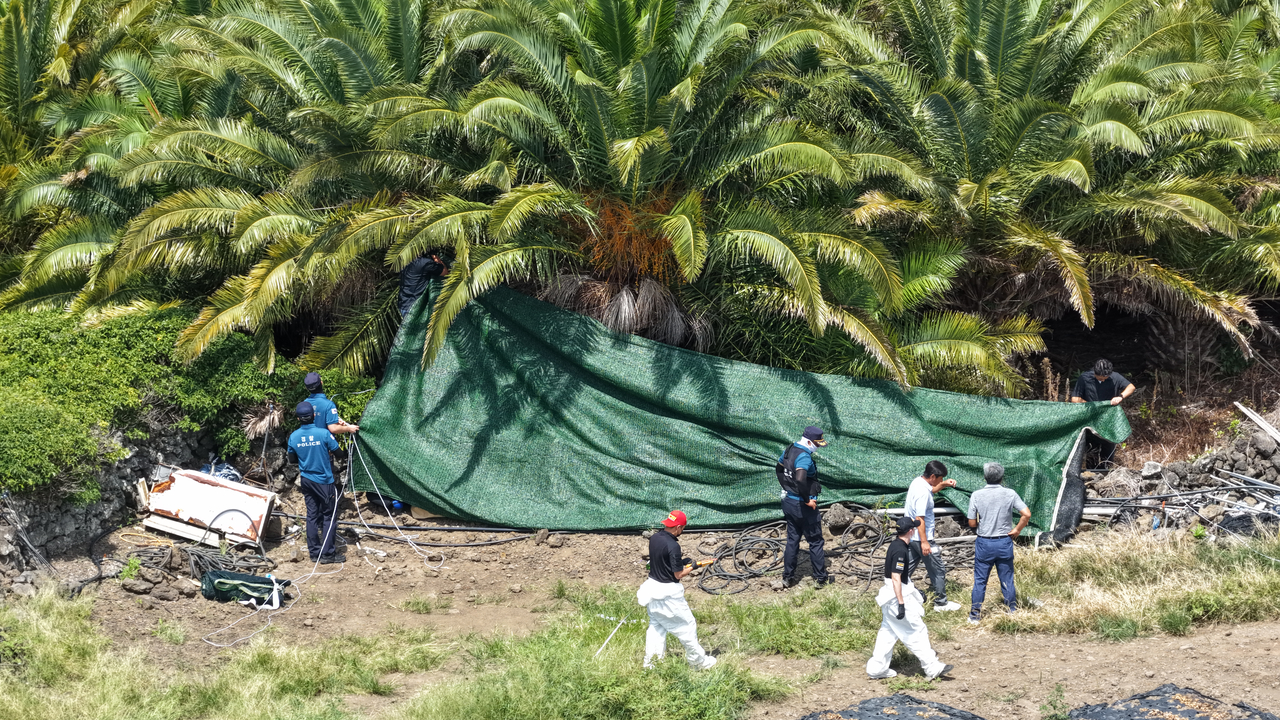
On Jeju Island, police have faced criticism over their handling of the case of Jang Mi-ran, a 37-year-old woman whose missing person case was falsely closed by an officer before she was found dead Aug. 24.
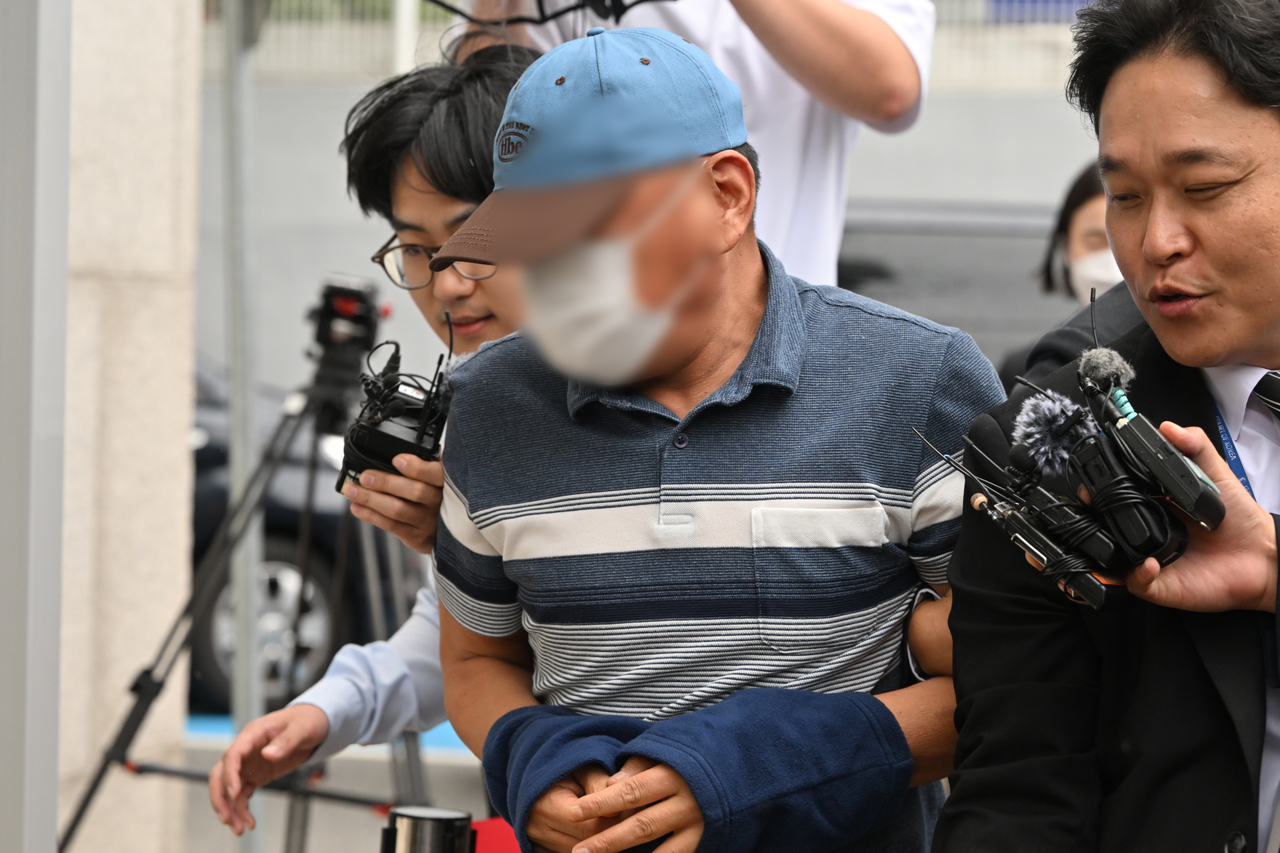
The officer admitted falsely recording that he had contacted Jang and was referred to prosecutors. Police also faced questions after initially announcing findings that could be interpreted as pointing to suicide before later saying all possibilities remained open.
In Gwangju, the handling of the investigation into Jang Yoon-gi has itself become the subject of a criminal investigation.
Jang is on trial on charges of killing a high school student and seriously injuring another in May. His father is a police officer.
An investigator who worked on the case was arrested on suspicion of destroying evidence, while prosecutors are investigating possible collusion between the investigative team and Jang's father.
Ko Pyeong-ki, the former Jeju police chief, and Kim Young-geun, the former Gwangju police chief, were both transferred to KNPA headquarters.
Ko, who had been named for promotion to chief superintendent general in August, was left out of the final promotion appointments and reassigned as head of the KNPA’s Community Safety and Transportation Bureau. Kim was named head of the agency’s Crime Prevention and Response Bureau.
Police revive restrictions on home-region postings
The KNPA said the reshuffle reflected a stricter application of its home-region exclusion policy, known in Korean as "hyangpije." The policy is intended to prevent senior officers from being assigned to regions where their birthplace or previous service could create close personal networks.
“We took into consideration factors including officers’ places of birth and the locations where they served before being promoted to senior ranks, and made assignments that avoided regions where they had personal ties,” a KNPA official said.
The agency said it would expand the policy to other key positions, including audit, inspection and human rights officers at provincial and metropolitan police agencies.
“We will overhaul the personnel system by expanding the application of the policy to key positions to strengthen trust and fairness in policing,” the official said.
Trade-off between independence and local knowledge
Similar restrictions were considered in the early 2000s and again around 2010 amid efforts to root out collusion within the police. The policy was later scaled back, partly because officers assigned away from familiar regions could struggle to understand local conditions during relatively short postings.
“Most countries are moving toward community policing, making community-oriented police work a key trend,” said Kim Sang-gyun, former head of the Korean Association of Criminal Psychology.
“Police services can vary significantly depending on the characteristics of each community, so there is a sense that this policy is moving in the opposite direction from that broader trend.”
Kim said expanding the policy could nevertheless be unavoidable amid the current crisis of public confidence, although applying it too broadly could undermine other areas of police work.
“Investigations aimed at apprehending suspects and establishing the facts of a case are less dependent on close ties to local communities than other police services,” he said. “Given the high level of public suspicion surrounding police investigations, the policy could help restore trust.”
forestjs@heraldcorp.com