Venerable Heungseon, master of stone rubbing, donates 1,143 rubbings created and collected over 40 years
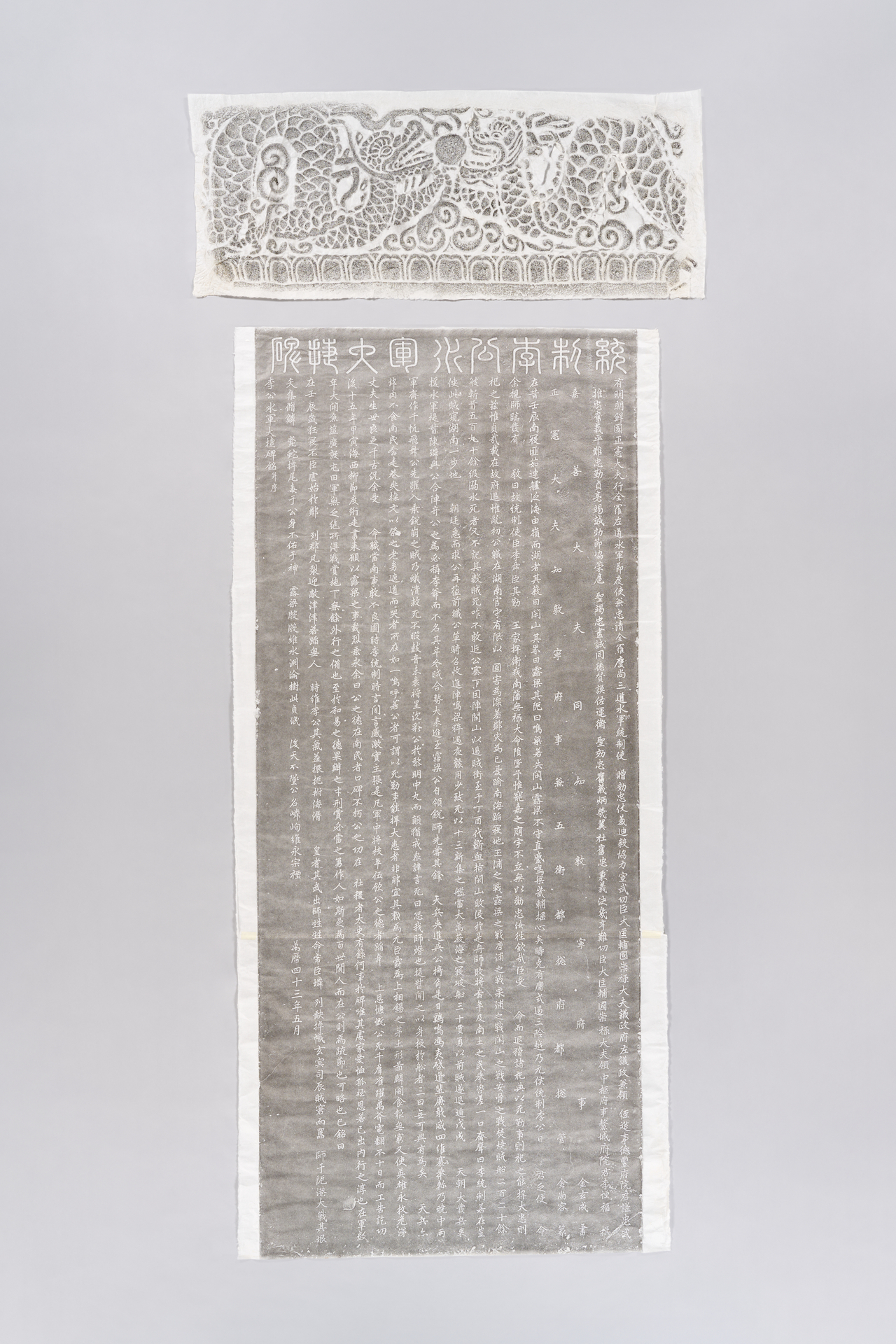
More than a thousand stone rubbings — created and collected over 40 years by the Ven. Heungseon, a master of the art of stone rubbing, or takbon in Korean — have found a new home at the National Museum of Korea. The donation is Korea's largest in scale, showing the evolution of Korea’s epigraphic culture spanning from the Three Kingdoms (57 BC-AD 668) to Joseon era (1392-1910), according to NMK.
"By overcoming the inaccuracies and fragmentary nature of earlier rubbings, he systemically surveyed and took rubbings of inscriptions across the country to ensure that the historical value of these epigraphs would be fully transmitted to future generations," the state museum announced on Saturday, adding that "The Ven. Heungseon’s rubbings not only faithfully reproduce the contents of epigraphs, but also capture their aesthetic beauty, embodying both scholarly and artistic value."
Over the past 40 years, the Ven. Heungseon has devoted to making stone rubbings of significant inscriptions traveling across the country. Executed with exceptional precision, the master's rubbings are regarded so finely detailed that even the traces of the chisels that carved the original inscriptions are visible, according to the description from the museum.
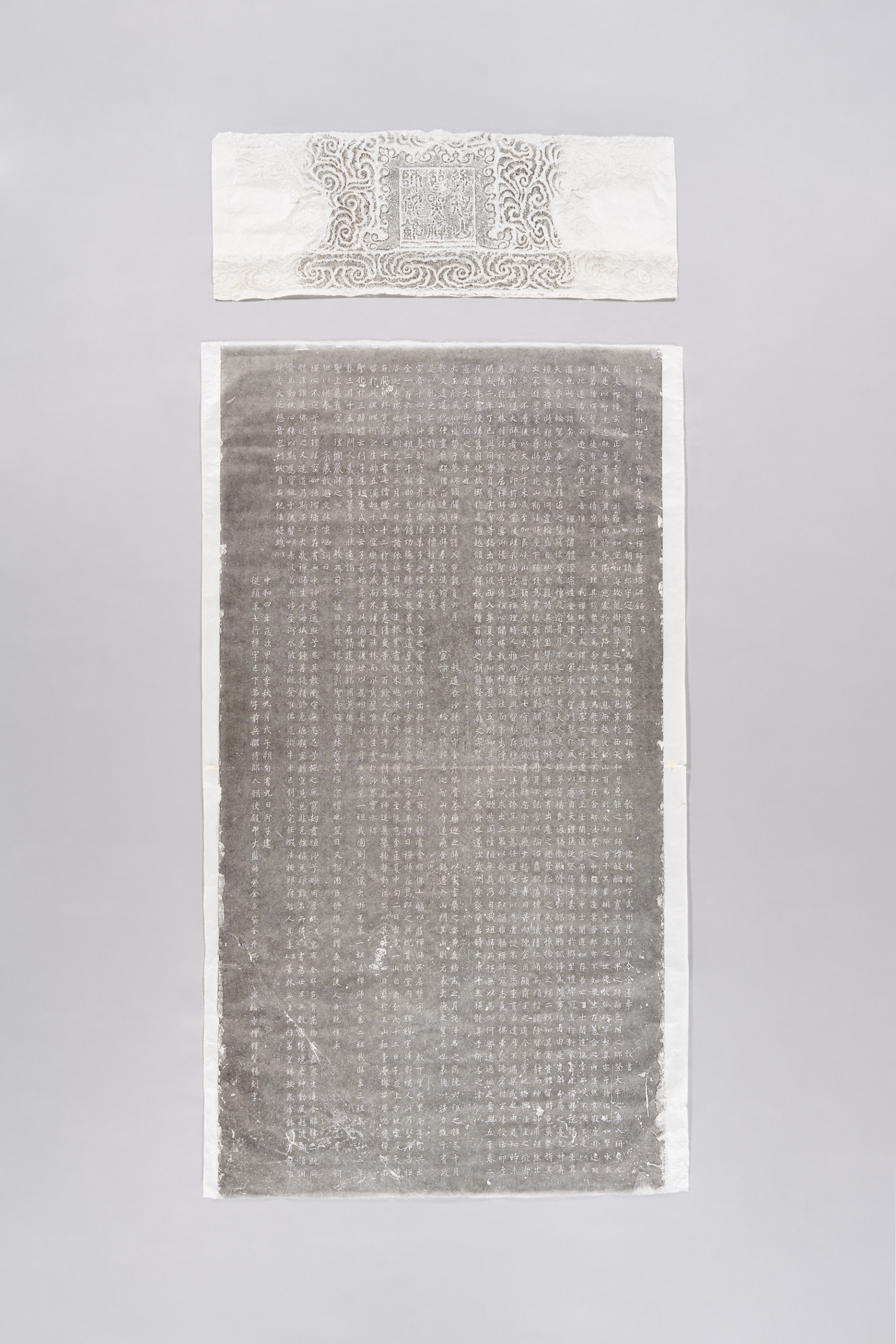
The donation, consisting of 1,143 rubbings, includes those of stone inscriptions designated the treasures. Among the treasures is the stele of Master Bojo at Borimsa in Jangheung, South Jeolla Province, erected in 1884 to honor the master. The monumental inscriptions show the aesthetic and sculptural artistry of Silla stone steles.
Another rubbing is that of the monument in Yeosu, South Jeolla Province, erected on a stone tortoise created in 1615 to commemorate the wartime accomplishments of Adm. Yi Sun-sin from Joseon era. The monument, designated as a treasure, is the largest existing battle memorial stele in the country.
Last year, the Ven. Heungseon was named as the Jogye Order of Korean Buddhism’s first master of craftsman for his rubbing techniques, highly regarded for reproducing the inscriptions while capturing their aesthetic beauty, embodying both scholarly and artistic value. The state museum plans to digitalize the collection for public access to its detailed information and exhibit the master's rubbings at the museum.
yunapark@heraldcorp.com