

From chamber pots to plastic-wrapped plates, Gangneung residents switch to survival mode
Two months have passed since Gangneung, Gangwon Province, began suffering the effects of a record-breaking drought, yet the situation shows few signs of improvement, and citizens are turning to desperate measures to conserve every drop of water.
In online communities such as “mom cafes,” or online boards frequented by mothers, users were found exchanging survival tips on how they are managing amid the prolonged drought.
One user wrote that her family has begun collecting urine in plastic bottles and flushing only once water is available.
“My husband said he would save it up until the water supply returns, and my son said he would do the same,” wrote the user. Under the post, others chimed in saying that they “purchased chamber pots for each family member” and that they “flush once at the end of the day after collecting everyone’s urine.”
Citizens began taking extreme survival measures after the Gangneung city government decided to cut water supplies from Sept. 6 to 123 facilities with water storage tanks exceeding 100 metric tons in the Hongje Water Purification Plant’s service area, a move that affected around 45,000 households.
Since Saturday, those affected by the water supply cut have depended on daily deliveries of water bottles for drinking purposes, as well as water delivered by water tanker trucks for household use.
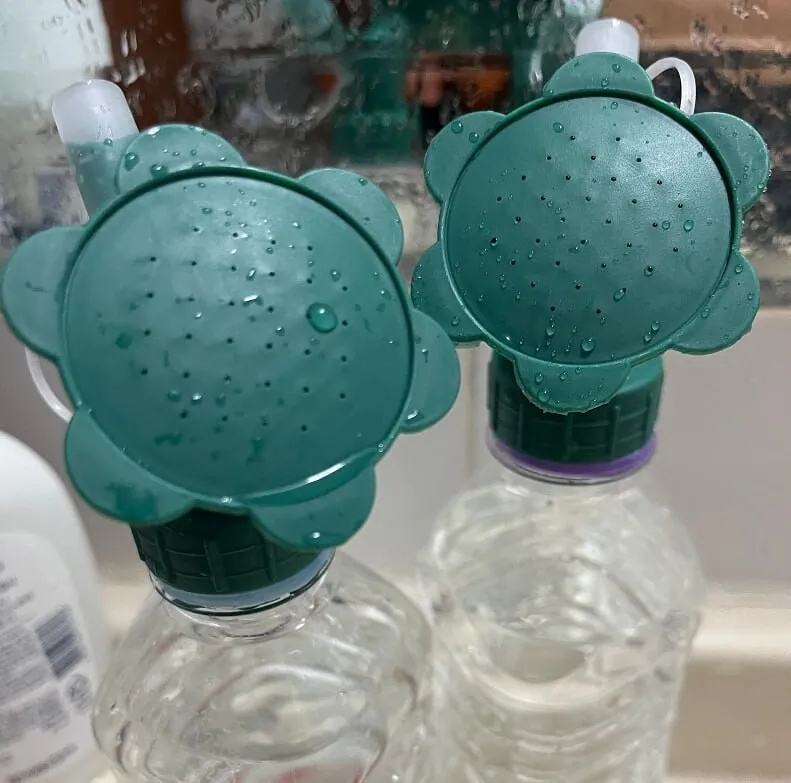
Others described attaching a watering-can nozzle to a plastic bottle to replace showers.
“Pouring bottled water directly felt wasteful, so I bought (a nozzle) in hopes of using a little less,” wrote one user.
Other users shared that they were using portable showers commonly used during camping, while others added that they heat their water by microwaving it or slightly boiling it in advance to enjoy a “slightly warmer shower.”
On the web, Gangneung netizens were also seen asking for meal plans that require little use of dishwashing water.
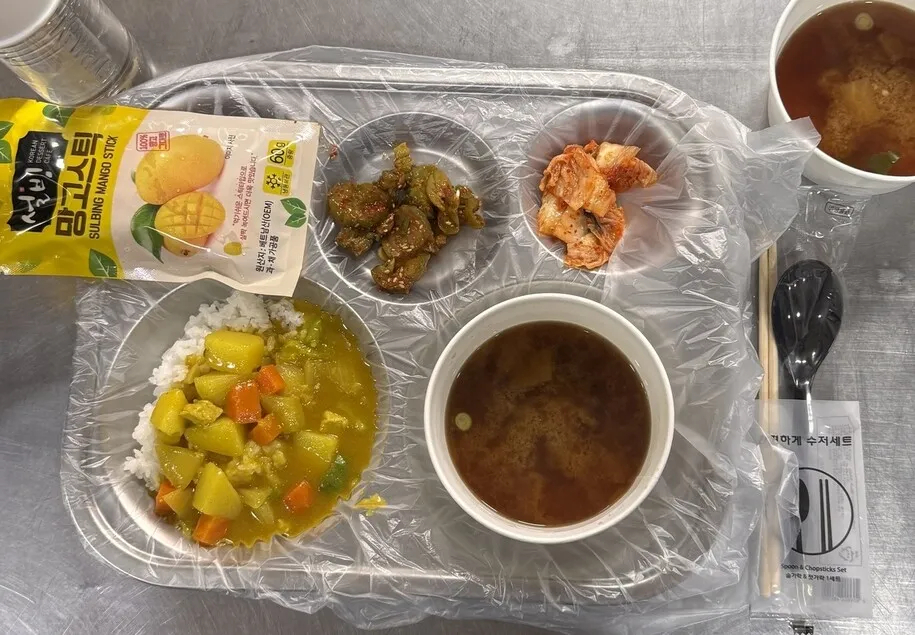
Comments included suggestions such as using disposable cutlery, eating straight out of a pot, eating meal kits and even avoiding dishwashing by wrapping dishes with plastic bags that can be thrown away immediately after.
Welfare facilities in the city have also made institutional adjustments.
Sixty-five social welfare service centers in Gangneung were reported in local media as placing disposable plastic covers over cafeteria trays to reduce the need for washing. The water saved is being redirected to essential sanitation and drinking needs.

Meanwhile, the Obong Reservoir, which supplies 87 percent of the city’s tap and industrial water, fell to 11.8 percent as of Thursday morning, a 0.2-percent drop compared to the previous day. If the city continues to see little to no rainfall, experts were quoted as saying that the reservoir’s water levels could fall below 5 percent within four weeks.
The city government announced that it will begin tapping into the Doam Dam in Pyeongchang, 20 kilometers west of Gangneung, as an emergency measure after conducting water quality tests to see if it meets drinking water standards after purification.
If water quality tests show positive results, a test release is expected to begin on Sept. 20.
lee.jungjoo@heraldcorp.com


![[World Class] HUFS bets on Songdo, AI to redefine what a global university can do](https://wimg.heraldcorp.com/news/cms/2026/10/18/news-p.v1.20260930.7e4dbeacfc1d4d16848c0e2a441c04e6_R.jpg?type=h&h=120)
