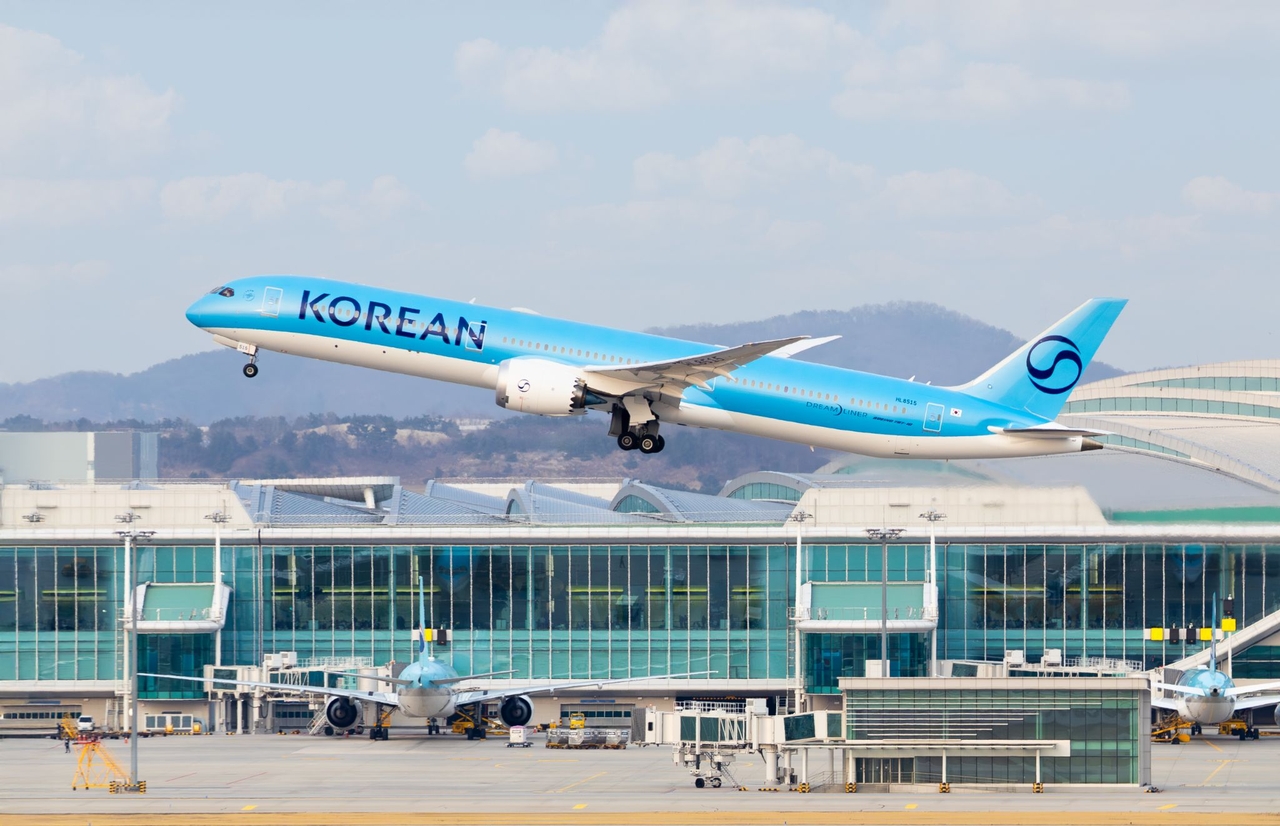
Korean Air, the country's largest airline, is broadening its role in the global aerospace sector, leveraging its long-standing expertise in aircraft manufacturing, military aviation support and maintenance services, the company said Sunday.
Since starting wing structure production for the Boeing 747 in 1986, Korean Air has supplied key components for numerous Boeing aircraft.
The airline currently produces five major structural parts for the 787, with annual production projected to exceed 120 units as the aviation industry rebounds post-pandemic, It has delivered over 1,200 units since 2007.
In partnership with Airbus, Korean Air has supplied approximately 4,200 sharklets for the A320 series since 2012, after winning a competitive international bid against firms from Japan, Germany and France.
It was later chosen as the sole supplier of sharklets for the A330neo and has taken part in Airbus’s “Wing of Tomorrow” project, focused on advanced composite wing technologies. It also supplies cargo and bulk doors for the A350 and Airbus Helicopters.
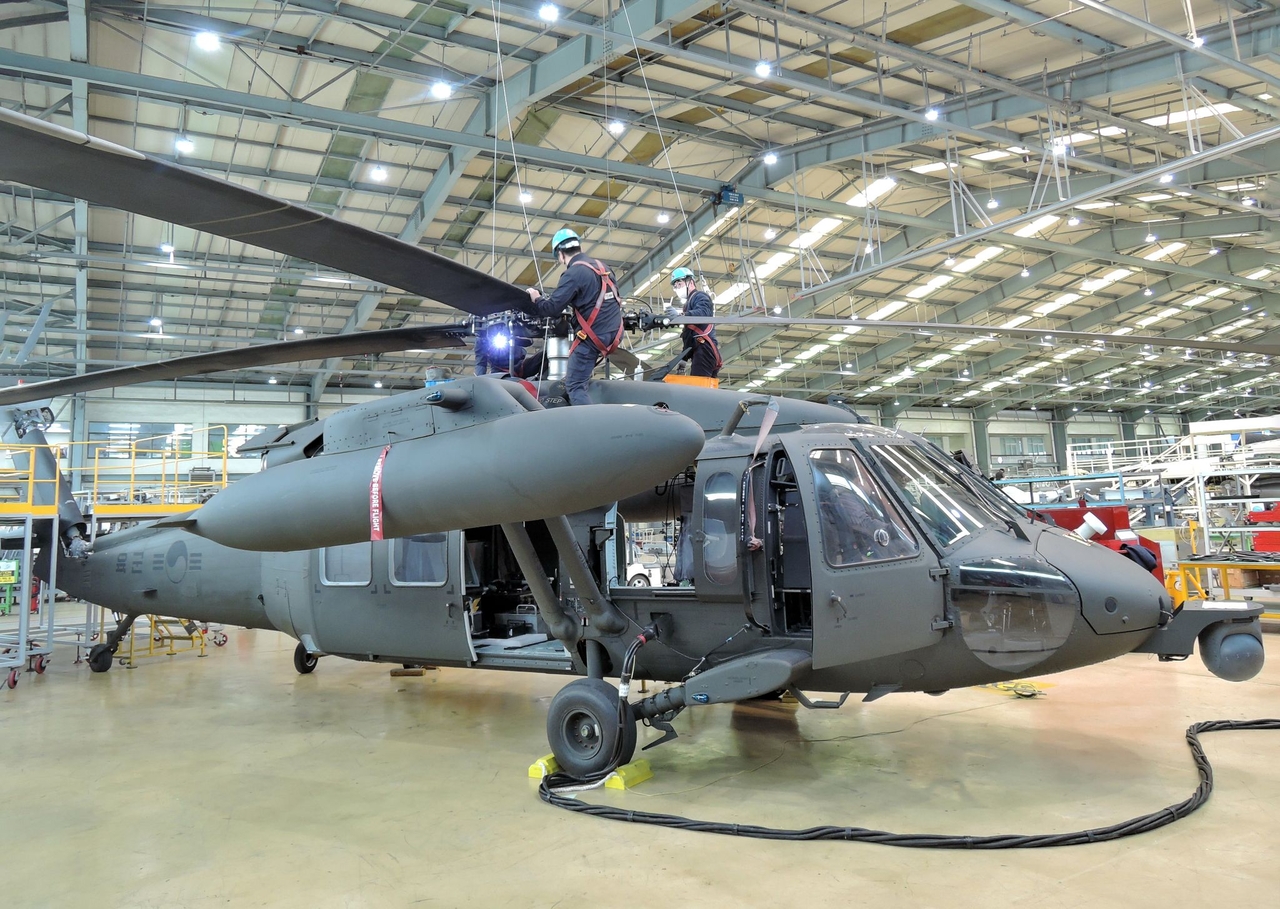
The company is also gaining ground in the defense sector. In April 2025, it was named the preferred bidder for a 1 trillion won ($735.5 million) project to upgrade UH-60 Black Hawk helicopters.
This follows decades of military aircraft support, including the maintenance and upgrade of fighter jets such as the F-4, F-5, and F-15, and transport aircraft like the C-130.
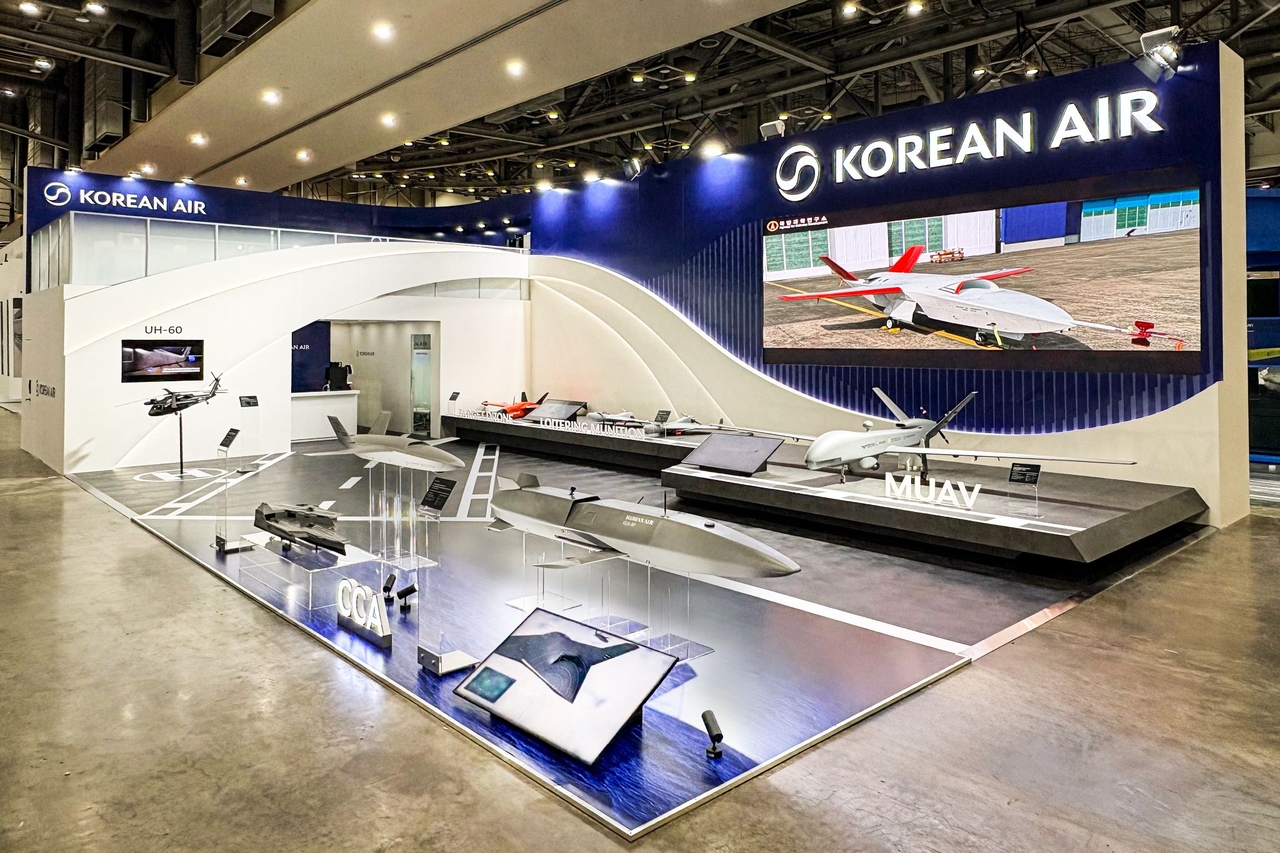
Korean Air is actively developing unmanned aerial vehicle (UAV) technology, and has partnered with US defense firm Anduril to collaborate on autonomous UAVs.
Korean Air also maintains a strong presence in the maintenance, repair and overhaul (MRO) industry. Since 1972, it has serviced around 5,000 aircraft engines and holds certifications from major aviation regulators in the US, Europe and China.
The company joined Pratt & Whitney’s MRO network in 2021 and began servicing PW1100G-JM engines in 2023. Pratt & Whitney is a leading US-based aerospace manufacturer known for its advanced commercial and military aircraft engines.
Korean Air is expanding its engine maintenance capabilities from six to nine models, including GEnx and LEAP-1B, and is reviewing services for newer engines like the Trent XWB. A new maintenance facility in Yeongjongdo, Incheon, set for completion in 2027, will triple capacity and boost job creation.
Combining civil and defense capabilities across structures and engines, Korean Air is evolving into a total aerospace solutions provider. By reinforcing global partnerships and technological expertise, the airline aims to expand its role in the high-value aerospace market.
hyelimchung@heraldcorp.com