Constitutional Court to determine fate of President Yoon Suk Yeol four months after he set off political storm with surprise martial law declaration
Exactly 122 days after the surreal night of martial law, South Koreans will finally learn whether Yoon Suk Yeol will continue to serve as their president today.
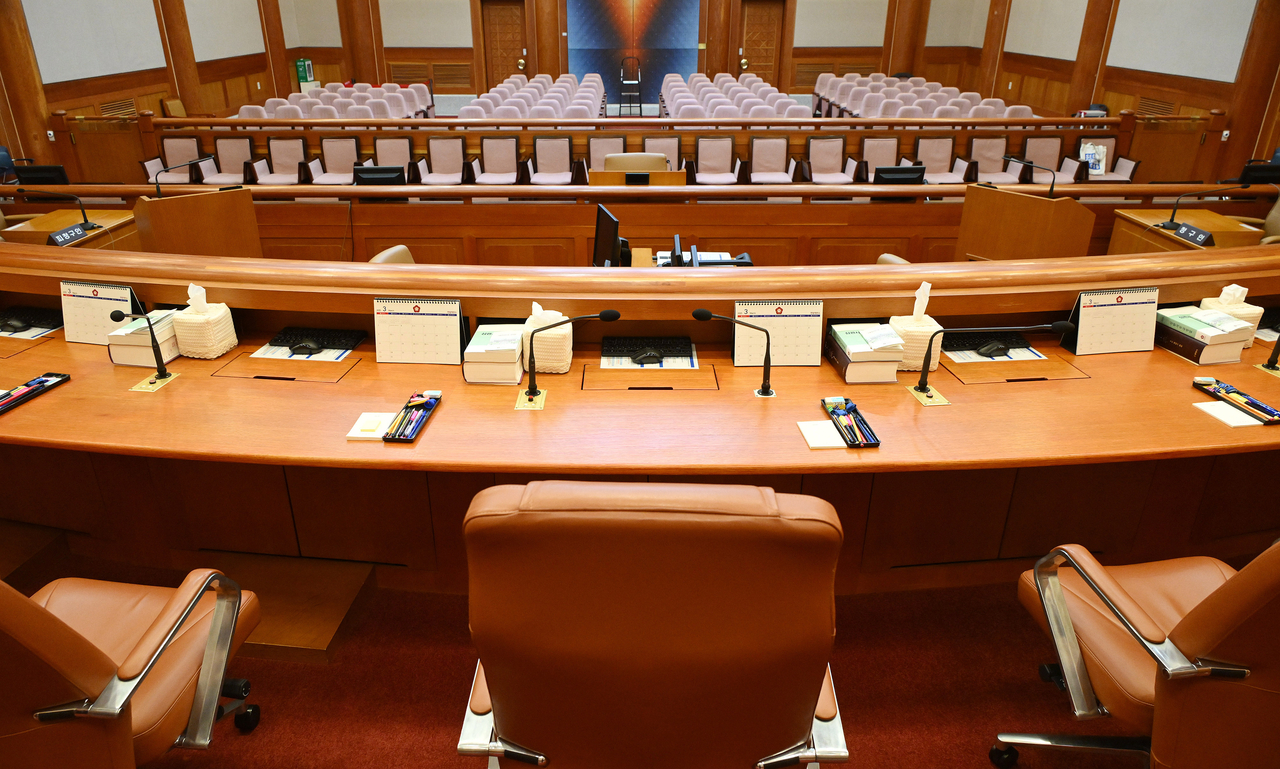
At 11 a.m. in a ruling to be broadcast live on TV, the Constitutional Court will deliver its decision on President Yoon’s impeachment. Yoon’s legal team confirmed Thursday that he will not attend the ruling.
Yoon has been suspended from duty since Dec. 14, 2024, after the National Assembly impeached him over his abrupt declaration of martial law late in the night of Dec. 3.
If at least six out of the court's eight justices vote to uphold the impeachment, Yoon will be removed from office. In any other case, he will be reinstated as president immediately.
Pivotal moment in Korean politics
If the court decides to remove Yoon from office, the election to pick the new leader of the country is mandated to take place within 60 days, meaning June 3 at the latest.
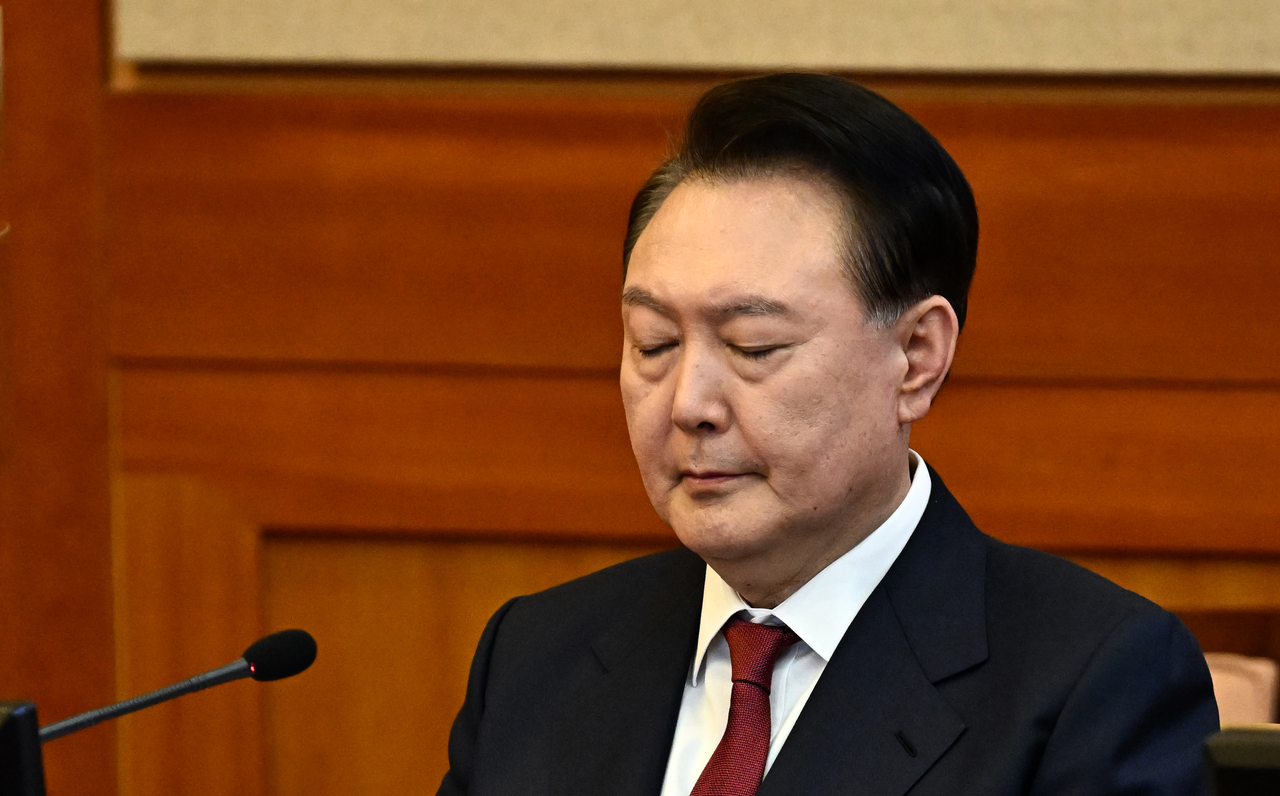
South Korean politics will immediately shift into election mode. Potential candidates — including Yoon's biggest political rival and main opposition Democratic Party of Korea leader Lee Jae-myung — would have to throw their hats into the ring by about May 10-11, in the case of a June 3 election.
If the verdict is to dismiss the parliamentary impeachment and reinstate Yoon, South Korean politics will undoubtedly plunge into another period of chaos, with the majority of the public wanting the president removed and anti-Yoon forces still controlling a majority of the parliament.
Some have feared that Yoon returning to office may lead to a second declaration of martial law, but the Ministry of National Defense on Thursday reaffirmed its stance that it would not to comply in the hypothetical event of a reinstated Yoon giving such an order.
Seoul braces for aftermath, protests
Seoul authorities are on high alert for any potential flare-up of violence following the court’s ruling.
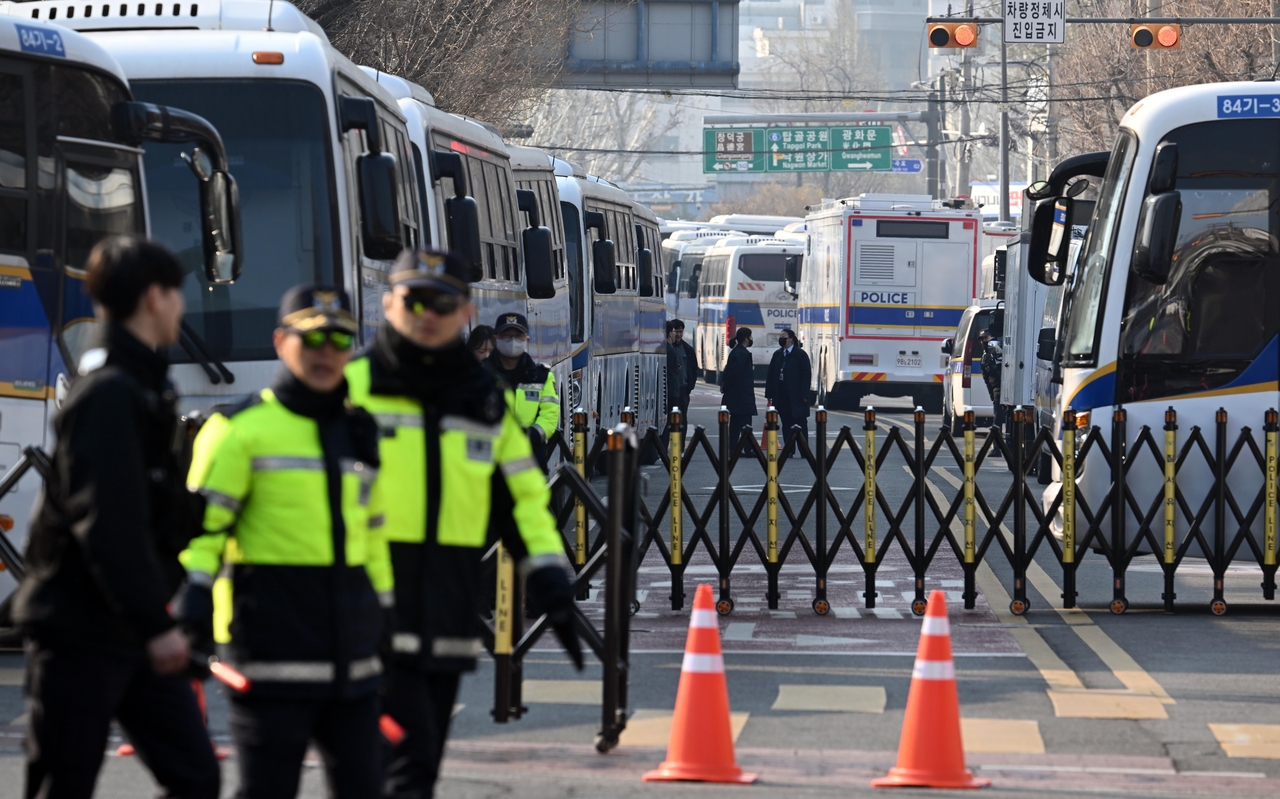
Over 5,000 police officers, under the command of 13 senior superintendent-level officers, have been mobilized in areas near the Constitutional Court to prevent possible conflicts between supporters and opponents of the president. Police have vowed to maintain a "vacuum" in the area immediately surrounding the court by forming a blockade with vehicles.
Additionally, 12,600 police, led by 34 high-ranking officers, are to be mobilized across what had been major protest spots in the city. Schools, museums, cultural facilities and even palaces in the vicinity of high-risk areas are closed on the crucial day.
Embassies of major trade partners and allies of South Korea are also being heavily guarded. The National Human Rights Commission has deployed agents to monitor any activities that may infringe upon human rights in clashes between authorities and protestors.
The boosted security is to prevent unfortunate potential incidents following the ruling. In 2017 after the verdict was delivered confirming Park's impeachment, four people died in mass protests sparked by pro-Park supporters.
Pro-Yoon protests already turned violent in the investigation phase for the president, who has faced both criminal charges and impeachment for insurrection, as well as power abuse. In the wee hours of Jan. 19, protestors launched an attack on the Seoul Western District Court that left scores of police officers and civilians injured.
minsikyoon@heraldcorp.com