The prosecution's bill of indictment against the national and Seoul police chiefs, arrested on charges of taking part in suspended President Yoon Suk Yeol's alleged insurrection, states that the police were told exactly which prominent political figures and outspoken opponents to arrest during the state of martial law on Dec. 3-4, according to local media outlets Thursday.
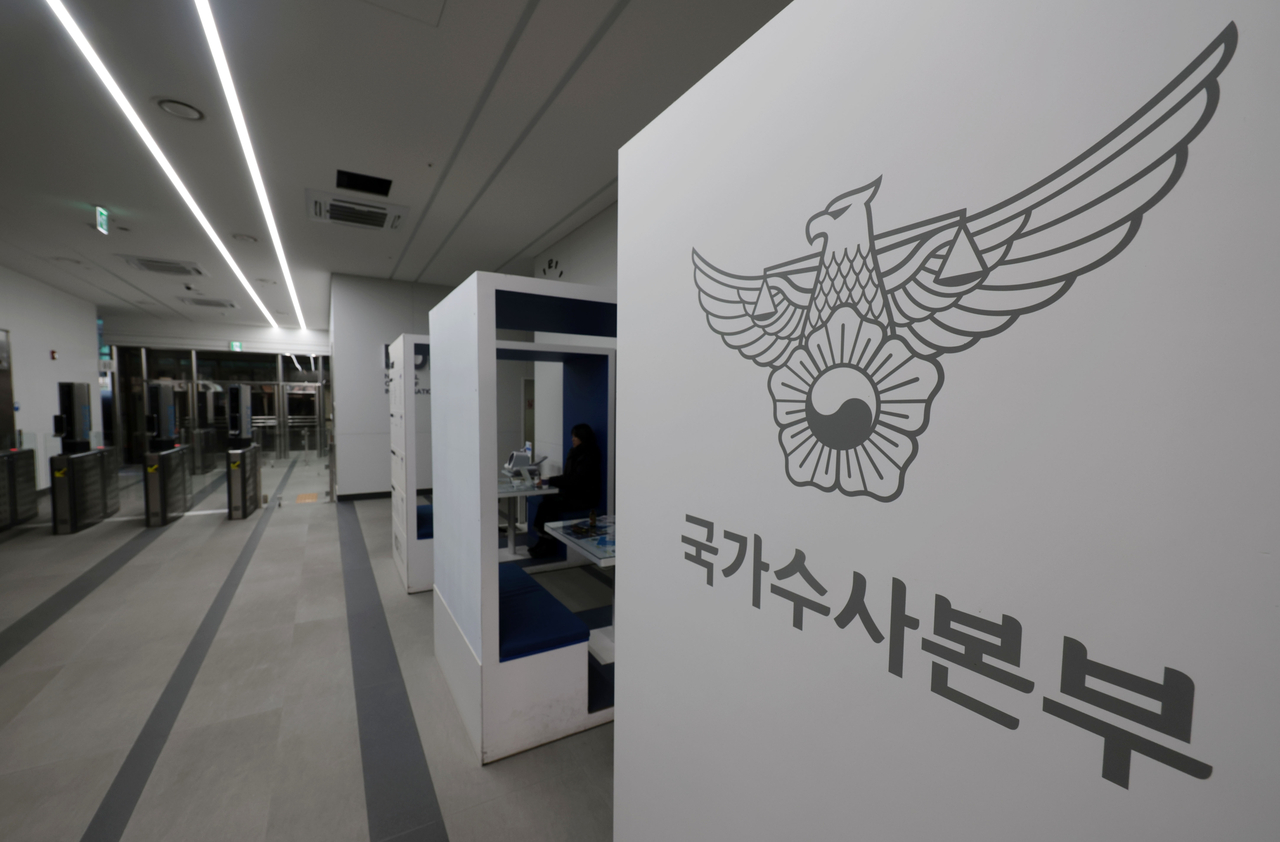
Officials of the National Office of Investigation had two phone conversations between 11:30 p.m. and 11:52 p.m. on Dec. 3 with the Defense Counterintelligence Command, according to the official document submitted to Rep. Park Eun-jung of the minor opposition Rebuilding Korea Party. It was part of the indictment against National Police Agency Chief Cho Ji-ho and Kim Bong-sik, then-chief of the Seoul Metropolitan Police Agency, who are both under arrest for abuse of power and their role in the alleged insurrection led by Yoon.
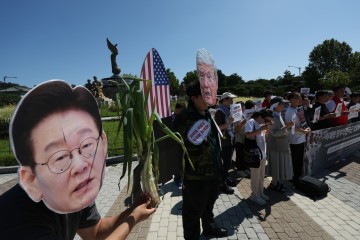
The conversation involved Gu In-hoe, chief of the DCC's Investigation Coordination Division, requesting police backup of 100 police officers and 20 escort vehicles from Lee Hyun-il, head of the NOI's Investigation Planning Division, specifically at the National Assembly, and then Lee asking, "Who exactly are we arresting?" and Gu telling him, "Han Dong-hoon and Lee Jae-myung (the leaders of the ruling and main opposition parties)."
Prosecutors believe that Lee Hyun-il then reported this conversation to his superiors at the NOI, Yoon Seung-young and Jeon Chang-hoon. They then respectively reported to NPA chief Cho and NOI chief Woo Jong-soo the plan to form a team of five counterintelligence agents, five police officers and five military police officers to support the military's arrest of the prominent political leaders.
In testimony related to the ongoing investigation of Yoon's alleged insurrection and abuse of power charges, various high-ranking military and police officials have indicated that the president ordered the arrest of a list of prominent political figures and his outspoken opponents.
The latest document is based on testimony from the DCC officials under investigation, and contrasts with the NOI's earlier claims that officials did not know whom they were supposed to take into custody.
The NPA on Thursday released a statement denying that police officials had any knowledge of the plan to arrest Han, Lee and others, and said that the prosecution's document was based only on the DCC officials' testimony.
The bill of indictment also showed that high-ranking officials had opposed police blocking lawmakers from entering the parliamentary building the night of Dec. 3, while the compound was being infiltrated by troops deployed under the orders of former Defense Minister Kim Yong-hyun, who was ultimately under Yoon's orders.
NPA chief Cho reportedly refused to rescind the orders for the troops to block lawmakers from entering the parliament, saying, "Refusing to follow the martial law decree would get us all arrested."
Among other orders, Yoon's short-lived martial law decree had banned all forms of political activity, including the National Assembly's activities -- a point that in particular is accused of being illegal and unconstitutional.
According to the Constitution, the president has the right to declare martial law when required to cope with a military necessity in a time of war, armed conflict or similar national emergency, but not the legal right to ban the activities of the National Assembly.
Yoon has been arrested and is currently being held in custody for allegedly leading an insurrection and committing abuse of power, while also undergoing trial to confirm his impeachment.
A motion to impeach him was passed by the National Assembly last month, resulting in his presidential powers being suspended.
minsikyoon@heraldcorp.com