PARIS (AFP) ― After decades making brief, murderous forays from central Africa’s forests, Ebola erupted into a global emergency in 2014, yet its success could spell its downfall as scientists scramble to relegate it to a footnote of medical history.
From a single infection in impoverished west Africa, the epidemic swept into bustling cities, killed thousands and unleashed a wave of fear in far-off Europe and America.
From a standing start in August, the World Health Organization gave the green light for the use of experimental treatments, and with vaccines being developed there are already a dozen leading candidates for anti-Ebola medication.
“People are very hopeful that we may be seeing some early results towards the end of the first quarter (of 2015) with some of these therapeutics,” said Michael Kurilla of the U.S. National Institute of Allergy and Infectious Diseases.
“If these things do prove to be efficacious, we may be able to approve some of them and then have cures or specific licensed treatments for Ebola.”
First diagnosed in the former Zaire in 1976, the virus killed 1,590 people in 24 outbreaks until 2012, with a death rate of up to 90 percent of the infected in the worst cases, the victims often suffering massive internal and external bleeding.
But it inflicted few deaths compared with diseases like AIDS or malaria and only broke out in poor, remote areas ― with drug research limited and driven mainly by the U.S. government’s bioterror fears.
“There has been little incentive to date for the private sector to invest in and commercialize products that might only ever be needed in the poorest parts of the world,” said Sharon Lewin, director of the University of Melbourne’s Doherty Institute for Infection and Immunity.
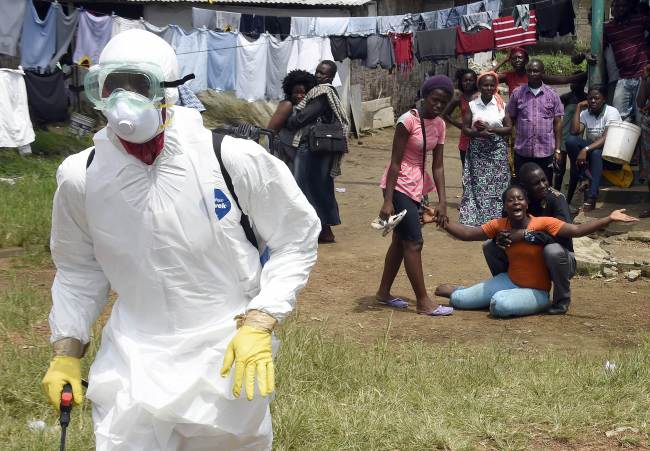
Since the beginning of the year, Ebola has killed more than 6,500 people, spilling from Guinea into its west African neighbors before causing the first-ever domestic infections outside of Africa ― two in the United States and one in Spain.
As governments closed borders and screened air passengers, indifference towards the epidemic evaporated and pharmaceutical companies began a race to develop treatments, vaccines and faster, mobile diagnostic tests.
koreaherald@heraldcorp.com