Dec. 2, 2014, marks the 43rd anniversary of the United Arab Emirates federation, founded in 1971 by the late president Sheikh Zayed bin Sultan Al Nahyan and his fellow members of the Supreme Council of Rulers, who laid the guiding policies for the success of the country more than 40 years ago and which remain the fundamental elements in the current policies of the government. The unified UAE superseded what were formerly known as the “Trucial States” following the British withdrawal. The occasion is observed by the seven emirates comprising the federation, namely Abu Dhabi, Dubai, Sharjah, Ras-al-Khaimah, Ajman, Umm al-Qaiwain and Fujairah, with joy and pride.
Over the course of the past year, the country has remained stable in one of the most fragile regions around the world. Thanks to the wise policies pursued by our leaders, citizens and expatriates are living in peace and security. Continuous economic and social progress is another noticeable achievement made over the past 12 months. The wise leadership of President Sheikh Khalifa bin Zayed Al Nahyan, together with the Vice President and Prime Minister and Ruler of Dubai Sheikh Mohamed bin Rashid Al Maktoum, five other members of the Supreme Council of Rulers, and the Crown Prince of Abu Dhabi and Deputy Supreme Commander of the UAE Armed Forces Gen. Sheikh Mohamed bin Zayed Al Nahyan, is behind what has been realized.
The country’s economy is performing well. The economic recovery witnessed over the last few years has continued its momentum, having a notable positive impact on business confidence. The oil and gas sector has remained the largest contributor to the GDP. The service sector including tourism, construction and real estate has performed soundly. The UAE has continued to strengthen its position as a top regional tourist destination. The property sector witnessed improvements in sentiment for both local buyers and foreign investors. Major new development projects have been announced in all seven emirates. One key achievement during the course of the past year has been in the country’s progress as a good place for doing business as shown by international reports and indices. The UAE economy is also continuing its course as the mostly closely integrated of all Arab economies in the global economic system, thanks to the bilateral agreements signed to promote cooperation with other nations.
The UAE has continued to play a role alongside other nations in dealing with issues of global common interest. It is committed to the sustainability of exhaustible natural resources, the conservation of the environment and the protection of labor rights. The country has also been engaged in efforts to respond to the rising turmoil in the region. It has continued its long-established policy of contributing humanitarian assistance to the victims of natural disasters. The fight against terrorism has also been a priority. Just last November, the UAE announced a list of 85 organizations it considered to be practicing or promoting terrorism.
In its ties with others, another of the guiding principles of the UAE is the promotion of dialogue, cooperation and conflict-resolution with nations in the Arab region, the broader Muslim community and beyond. While cherishing and protecting its own national culture and heritage, the country has been tolerant of other nationalities, cultures and faiths.
With regard to its bilateral ties with Korea, the UAE has shown keen interest in reinforcing the strategic partnership between the two countries, which was established in late 2009. This has been seen through visits by leaders and high-ranking officials, most recently the visit to Korea last February by Gen. Sheikh Mohamed bin Zayed Al Nahyan, crown prince of Abu Dhabi and deputy supreme commander of the UAE Armed Forces. From the Korean side, President Park Geun-hye visited the UAE last May to reinforce the friendly relationship. During these visits, issues of mutual interest were discussed and positions in regional and global settings were coordinated. In addition, the progress of joint projects was assessed.
Economically, the volume of trade approached $24 billion last year. It is expected to see more growth during 2014. Reciprocal in-bound investment also increased this year. The on-going major projects between the two strategic partners, namely the peaceful nuclear power plants by the Korean consortium in UAE, the oil and gas fields developed by Korea in the Abu Dhabi emirate, and the delivery and storage of UAE oil in Korean facilities, are being carried out smoothly. Another significant development is the conclusion of a major health cooperative project whereby the management of the state-of-the-art Sheikh Khalifa Specialized Hospital in Ras-al-Khaimah has been delegated to Seoul National University Hospital.
Firms from each nation have increased their presence in the other nation through the establishment of branch offices in order to be in close proximity for quick and easy communication with partners as well as for seeking new business opportunities or partnerships. Thanks to the agreements reached between higher educational authorities and other institutions and departments from both sides, the number of UAE students and trainees coming to Korea has also grown. People-to-people exchanges have significantly expanded as shown in the rise in the number of tourists and the number of visitors seeking medical treatment.
In the future, there will be great potential for the partnership to be further expanded and cemented. Areas in sight include new and renewable energy, green growth, information and communications technology, financial services, joint projects and investment management as well as other future growth engines.
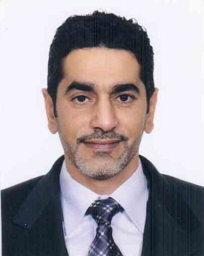
By Abdulla Al Romaithi, Ambassador of the United Arab Emirates
koreaherald@heraldcorp.com