Six hours of sleep or less linked to 20% higher odds of obesity
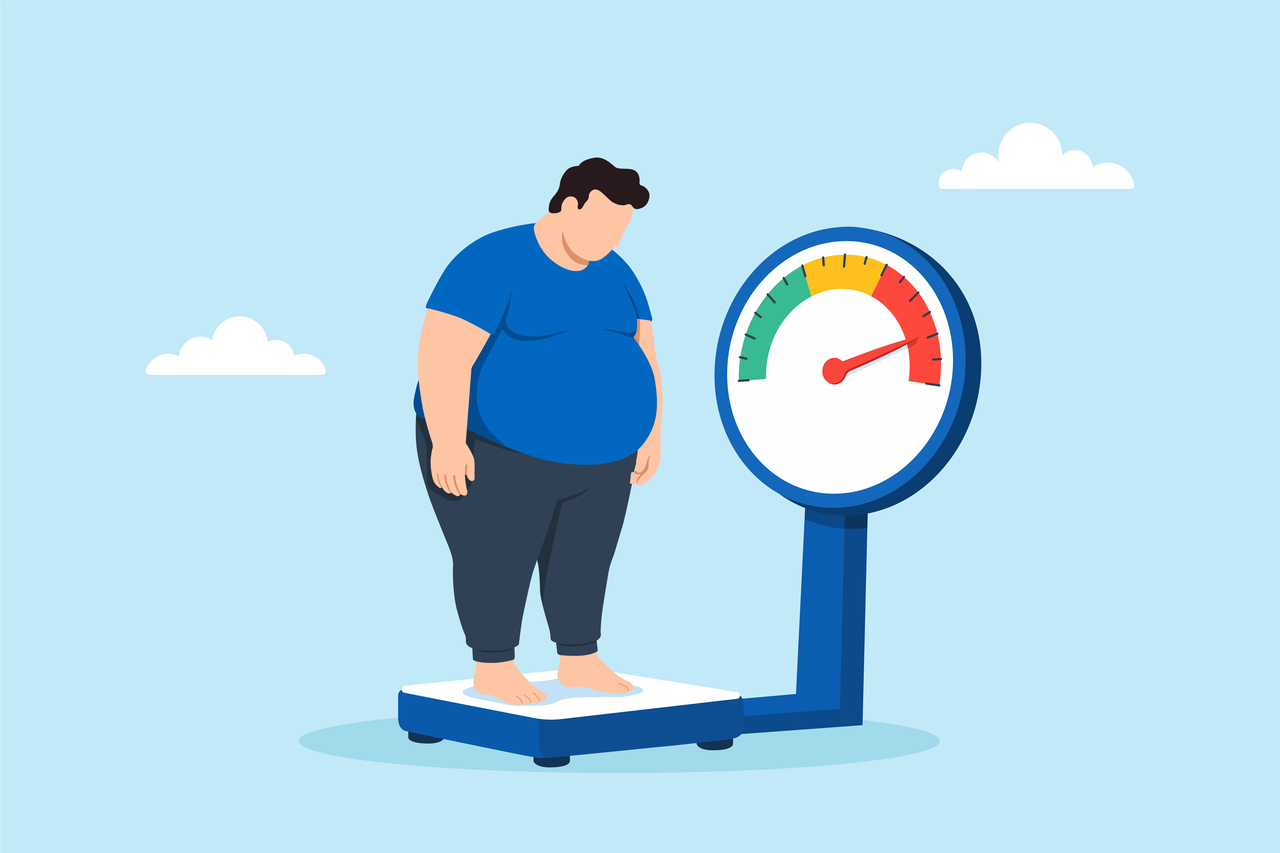
More than half of South Korean men in their 30s and 40s were classified as obese in a government analysis released Monday.
The analysis, based on the 2025 Community Health Survey, found that obesity rates among men were highest in those two age groups, at 52.1 percent for men in their 30s and 53.1 percent for those in their 40s.
Across all age groups, the obesity rate was 42.5 percent for men, nearly twice the 22.9 percent recorded for women. Among men, the rate declined after their 40s. Among women, it generally rose with age, from a low of 16.4 percent for those in their 20s to a high of 27.4 percent for those aged 70 or older.
The median obesity rate across South Korea’s cities, counties and districts reached 35.4 percent in 2025, up 7.5 percentage points from 2016.
The annual survey, conducted by the Korea Disease Control and Prevention Agency, covers about 230,000 adults aged 19 or older through one-on-one interviews about health behaviors and chronic conditions.
The analysis defines obesity as a body mass index, or BMI, of 25 or higher, calculated from self-reported height and weight.
How people see their weight
The analysis also examined how people tried to manage their weight when their perception differed from their BMI classification.
Among adults classified as obese who did not see themselves that way, 36 percent made no attempt to manage their weight. Men accounted for 77.4 percent of those who made no attempt, and the pattern was more common among adults aged 60 or older.
Among adults classified as underweight who considered themselves obese, 39 percent tried to lose weight. Women accounted for 80.6 percent of those who tried, and the pattern was more common among adults in their 30s and 40s.
The analysis found that people who did not do strength exercises had 1.3 times the odds of obesity compared with those who did. Those who slept six hours or less had 1.2 times the odds of obesity compared with those who slept seven to eight hours.
Skipping breakfast, not walking for exercise and drinking alcohol were each associated with about 1.1 times the odds of obesity compared with their respective reference groups. The estimates were adjusted for other factors in the analysis.
Regional gap
Among major cities and provinces, Ulsan had the highest obesity rate, followed by South Jeolla Province and Gangwon Province. Sejong had the lowest rate, followed by Daejeon and Seoul.
The 10 local areas with the highest obesity rates had higher rates of diagnosed chronic conditions such as hypertension and diabetes, as well as higher rates of high-risk drinking, than the 10 areas with the lowest obesity rates.
They also had lower monthly household incomes and lower rates of walking and strength exercise.
“With disparities in obesity rates and health behaviors across regions confirmed, local governments and relevant agencies need to pursue obesity prevention and management policies tailored to local conditions,” said Lim Seung-kwan, commissioner of the Korea Disease Control and Prevention Agency.
shwang9@heraldcorp.com