President talks about everything from controversies over his social media use to his sleeping habits
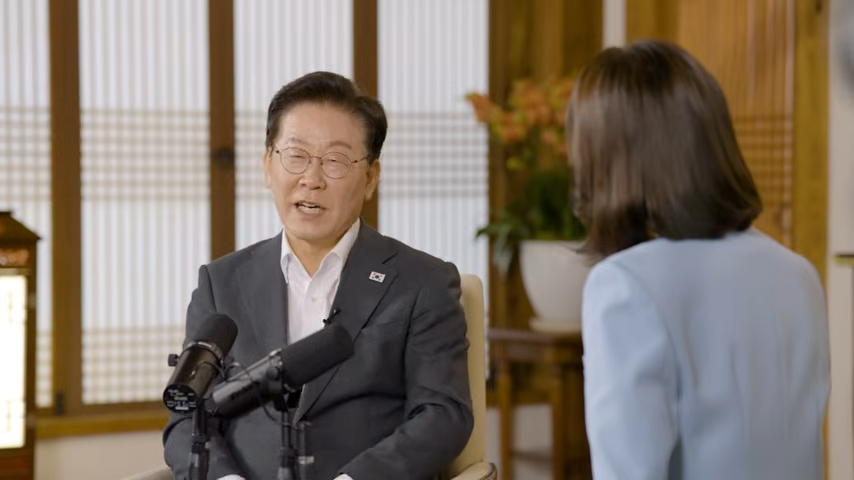
President Lee Jae Myung said he was considering an unconventional way to bring the public closer to the presidency: going live from his office, without warning.
“I'm thinking of occasionally going live without warning, even from my office,” Lee said in the debut episode of a new presidential YouTube program, “The President's Y,” which premiered Thursday at 9 p.m.
“I'm thinking I might go live occasionally, even from my office, without announcing it in advance.”
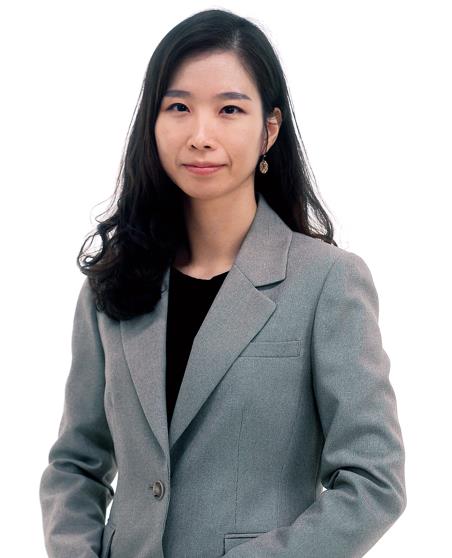
Son Jeong-eun, a former television news anchor who hosted the program, welcomed the suggestion, saying, “That sounds like a good idea.”
“I'll give it a try,” Lee replied.
The program marks a new experiment in Lee's efforts to communicate directly with South Koreans, mixing policy discussions and social media exchanges with lighter moments that reveal a more personal side of the president.
The first episode, filmed Wednesday at Sangchunjae, a traditional Korean building within the presidential compound, runs about 30 minutes.
The program is expected to air every two to three weeks on two YouTube channels: Lee+Imagine, operated by state-run broadcaster KTV, and Lee Jae Myung TV, the president’s official YouTube channel.
The program's title, “Y,” follows X, the social media platform Lee frequently uses to communicate with the public, while also playing on the English word “why” to explain the thinking behind his policies and decisions.
The inaugural episode featured three segments: “The President's Dilemma,” exploring Lee's use of social media and livestreamed cabinet meetings; “Retweeting Out Loud,” in which he responded verbally to a citizen's online post; and “The President's Daily Life,” offering a glimpse into his personal routines and reflections on the presidency.
Although the first episode was prerecorded, Lee expressed a preference for live broadcasts, arguing that edited videos could leave viewers wondering what had been omitted.
“I'd like to try doing live broadcasts in the future,” he said, urging Son not to be afraid.
Son replied that she was afraid of going live.
“People tend to think that edited videos don't show everything,” Lee said. “That's why I do live broadcasts despite the risks. I want to show people everything, holding nothing back.”
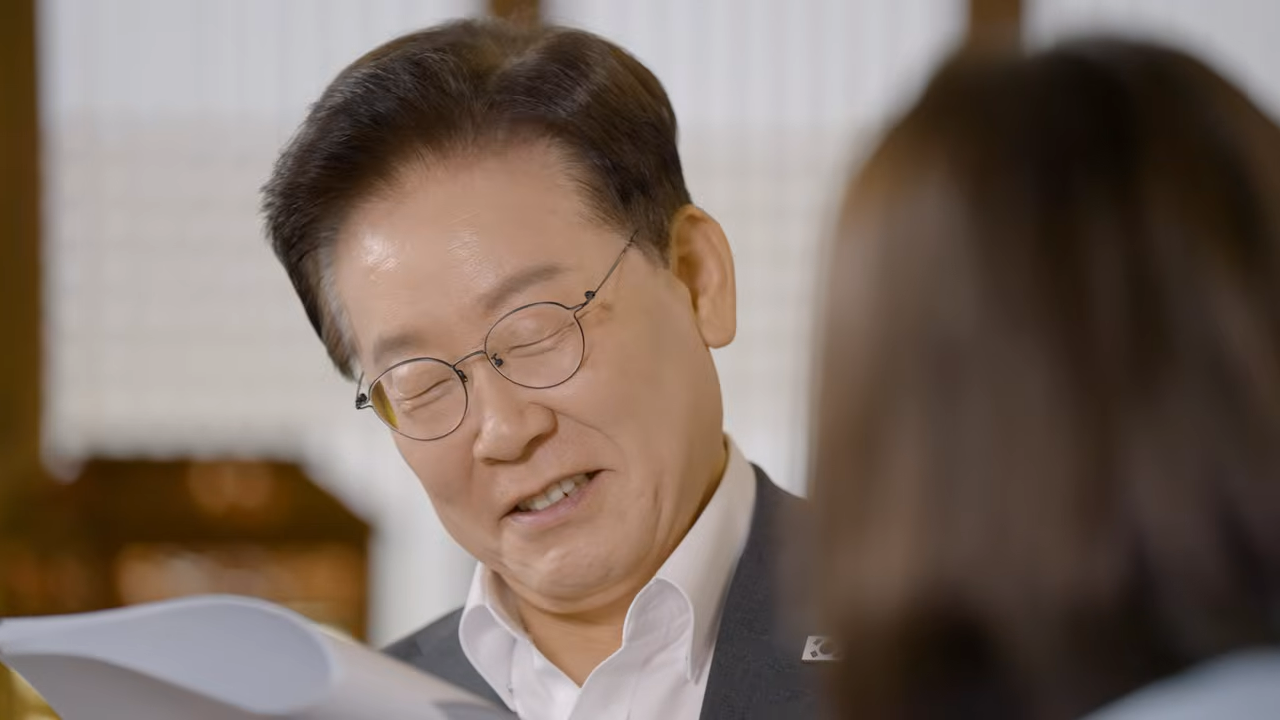
In the first segment, Lee defended his extensive use of X, where his posts and responses to critics have sometimes stirred controversy.
“To me, asking why a president uses social media is like asking why he goes out and meets people,” he said. “There are people on social media, too.”
Lee said the platform helped him gather ideas and spot developments, sometimes faster than official government reports.
He also defended livestreaming cabinet meetings, despite concerns that the broadcasts could expose presidential mistakes.
“The official work a president does belongs to the people. It doesn't belong to me,” he said. “The people are the owners. We have to show them.”
Asked about his decision to make cabinet meetings public, Lee said, “I've always favored openness. It's one way to build trust.”
For Lee, direct communication was more than a matter of political style.
“I've faced countless attacks throughout my life, often from the media, politicians and those in power,” he said. “If I hadn't communicated directly with the people, I probably wouldn't be sitting here today.”
He said direct communication was “like a lifeline” to him.
The second segment, “Retweeting Out Loud,” invited Lee to respond verbally to social media posts rather than typing replies.
Asked about violent offenders committing crimes while wearing electronic monitoring devices, Lee acknowledged the system's limitations and said the government was preparing to strengthen monitoring.
Lee also noted that written posts could sound harsher than intended because they lacked facial expressions and tone of voice.
“I used to use a lot of emojis,” he said, adding that he now avoided them for fear of appearing frivolous.
The final segment shifted away from policy and toward the man behind the presidency.
Asked how he managed his demanding schedule, Lee credited his parents with two valuable inheritances: physical stamina and fair skin.
“I fall asleep as soon as I put my head down, anywhere,” he said. “My wife finds it amazing. She says I start snoring within a minute of saying, ‘I'm going to sleep.’”
Lee said he slept about six hours a night and could feel refreshed after dozing at his desk for just one to five minutes.
The conversation also turned somber. Asked what saddened him most during his presidency, Lee spoke of people who died prematurely, including victims of workplace accidents.
“Every human life is precious,” he said. “Each person's life is an entire universe to them.”
But the president, who had spent much of the program advocating greater openness, still had his limits. Asked to recall a moment when he had felt particularly angry during his presidency, Lee declined.
“I don't think I should talk about that,” Lee said. “I can't tell you everything. Maybe when we get to know each other better.”
dagyumji@heraldcorp.com