
From traditional Korean saju and face reading to tarot cards and even pet fortune-telling, an exhibition in Seoul is offering visitors a chance to explore a wide range of ways to glimpse their future.
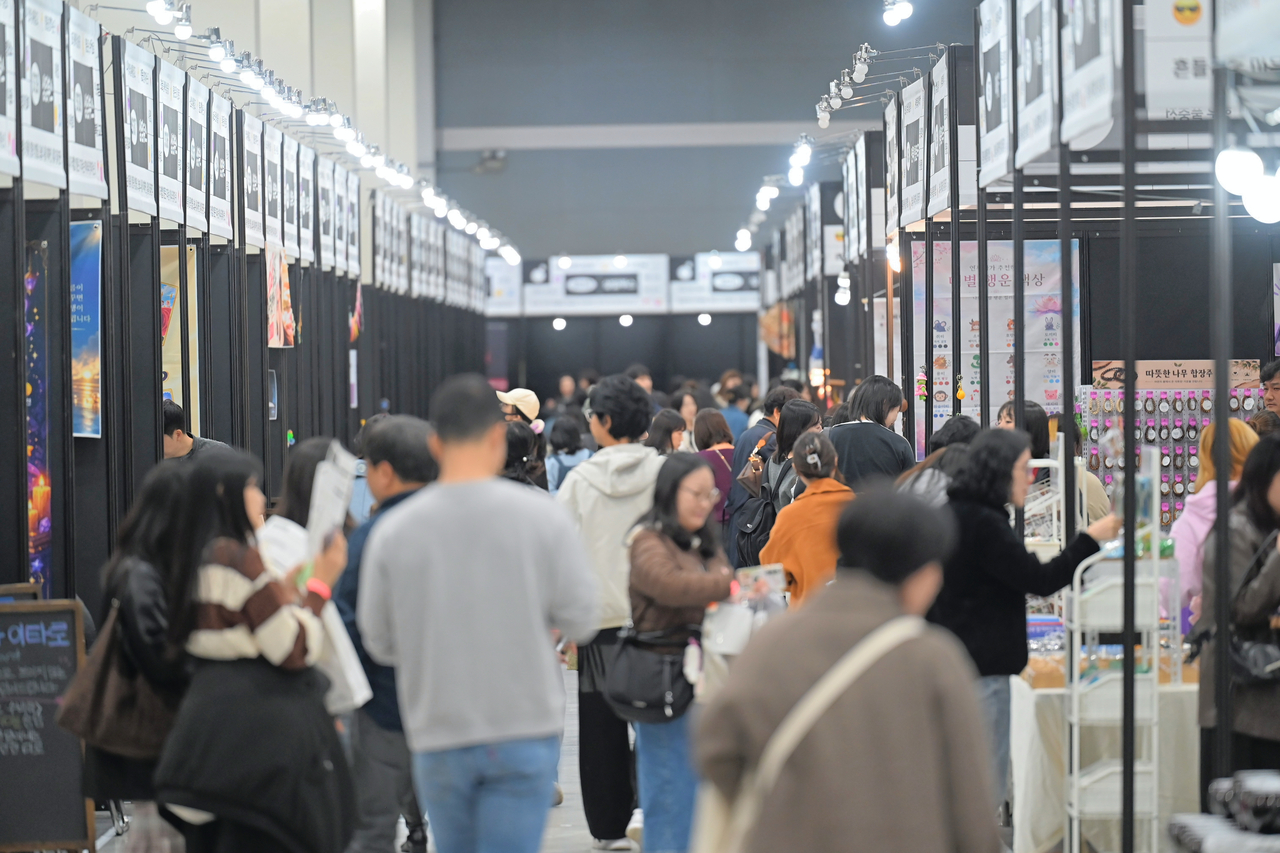
The second edition of Fortune Adventure opened Thursday at the aT Center in Yangjae, southern Seoul, bringing together more than 200 consultation booths covering at least 13 types of fortune-telling. The four-day event runs through Sunday.
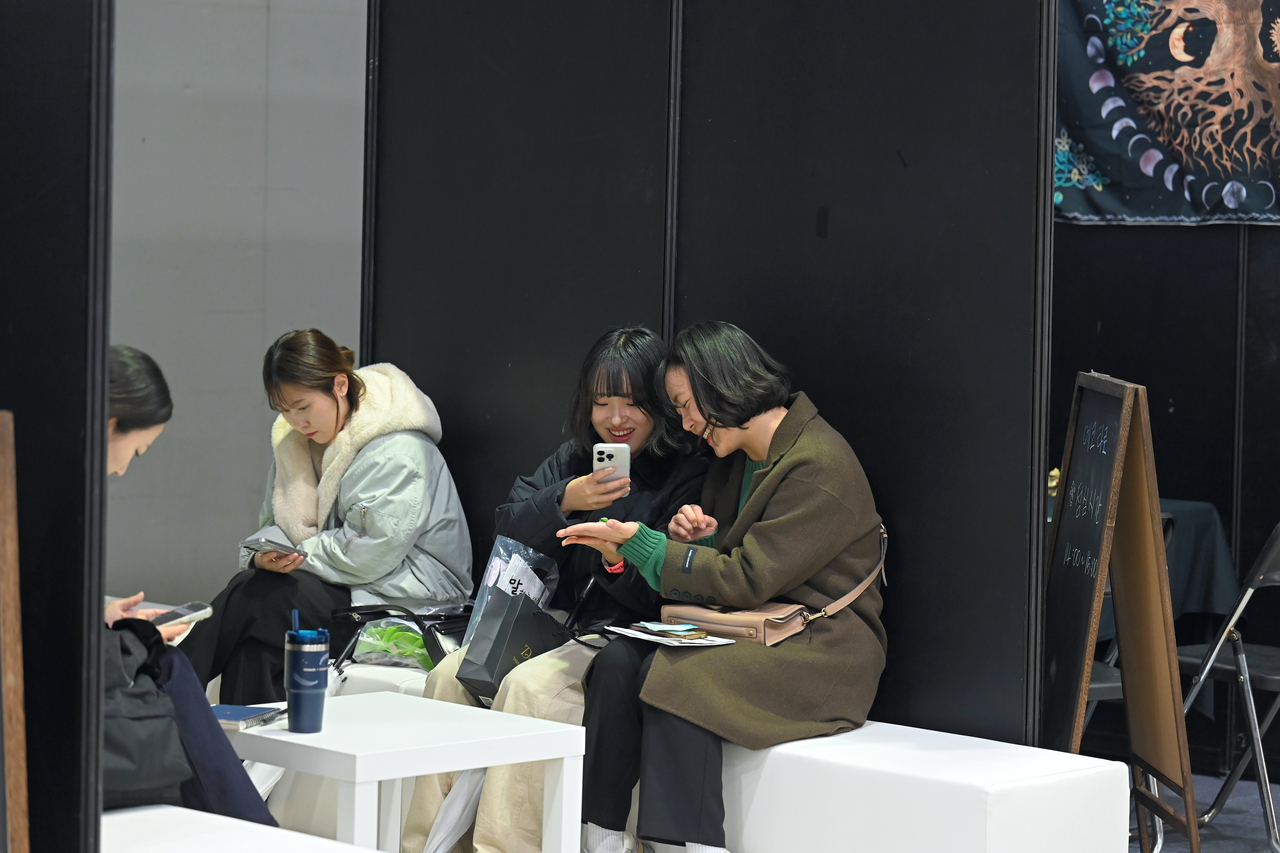
For 12,000 won ($8.40), visitors can book a 10-minute reading with a practitioner of their choice, allowing them to sample several methods without having to visit different fortune-tellers across the city.
The idea behind the exhibition came from a simple observation: People often want to consult more than one fortune-teller, but finding practitioners who suit their preferences and visiting them individually can be time-consuming.
"Why not bring them all together in one place?" said Kim Minji, organizer of the exhibition and founder and CEO of Mind Design, explaining that the exhibition was designed to make it easier for visitors to explore different fortune-telling methods and find practitioners whose approaches suit them.
Pets, merch, name changing and plastic surgery?
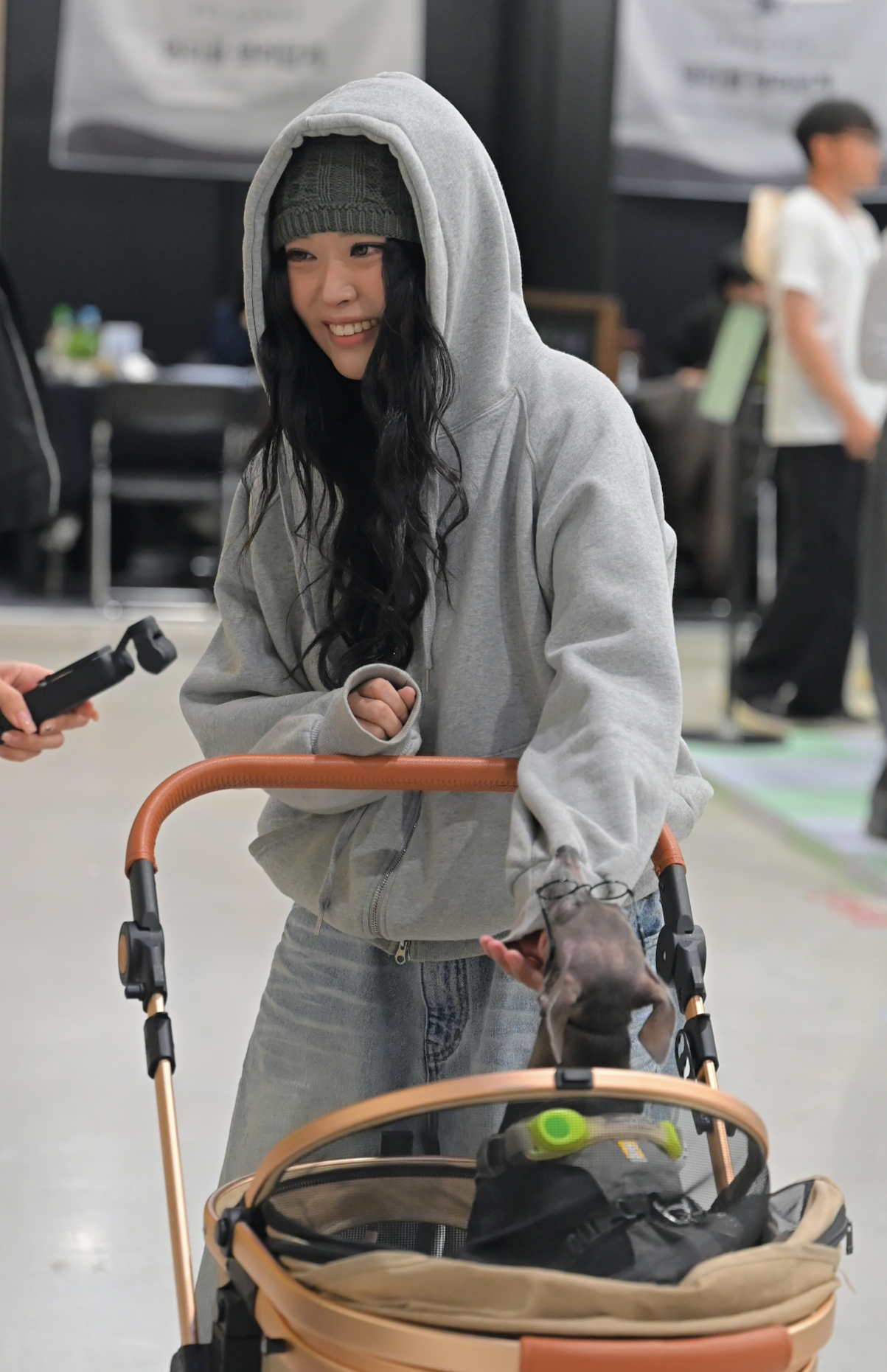
Among this year's more unusual additions is a dedicated pet fortune-telling zone, where owners can seek readings about their animal companions.
Hwang Ye-joo, who works in the beauty industry and is also exploring tarot reading, visited with her dog, Logan, curious whether he was happy despite their less frequent outings due to her busy work schedule.
"I wondered if he might be upset about that," she said. "Thankfully, the reading said he wasn't. That was such a relief."
Hwang was also surprised to hear that Logan's fussiness over food might have been caused by overfeeding rather than dissatisfaction with his meals.
The exhibition also reflects a broader consumer trend known as "lucky maxxing," in which people seek to attract good fortune through small everyday rituals and items believed to bring luck.
From keychains and accessories to fragrances and home decor, lucky charms have increasingly taken the form of everyday lifestyle products rather than traditional talismans.
At the exhibition, 53 businesses operate 74 retail and experience booths offering products ranging from lucky charms and fragrances to decorative items and teas inspired by the traditional five elements — wood, fire, earth, metal and water.
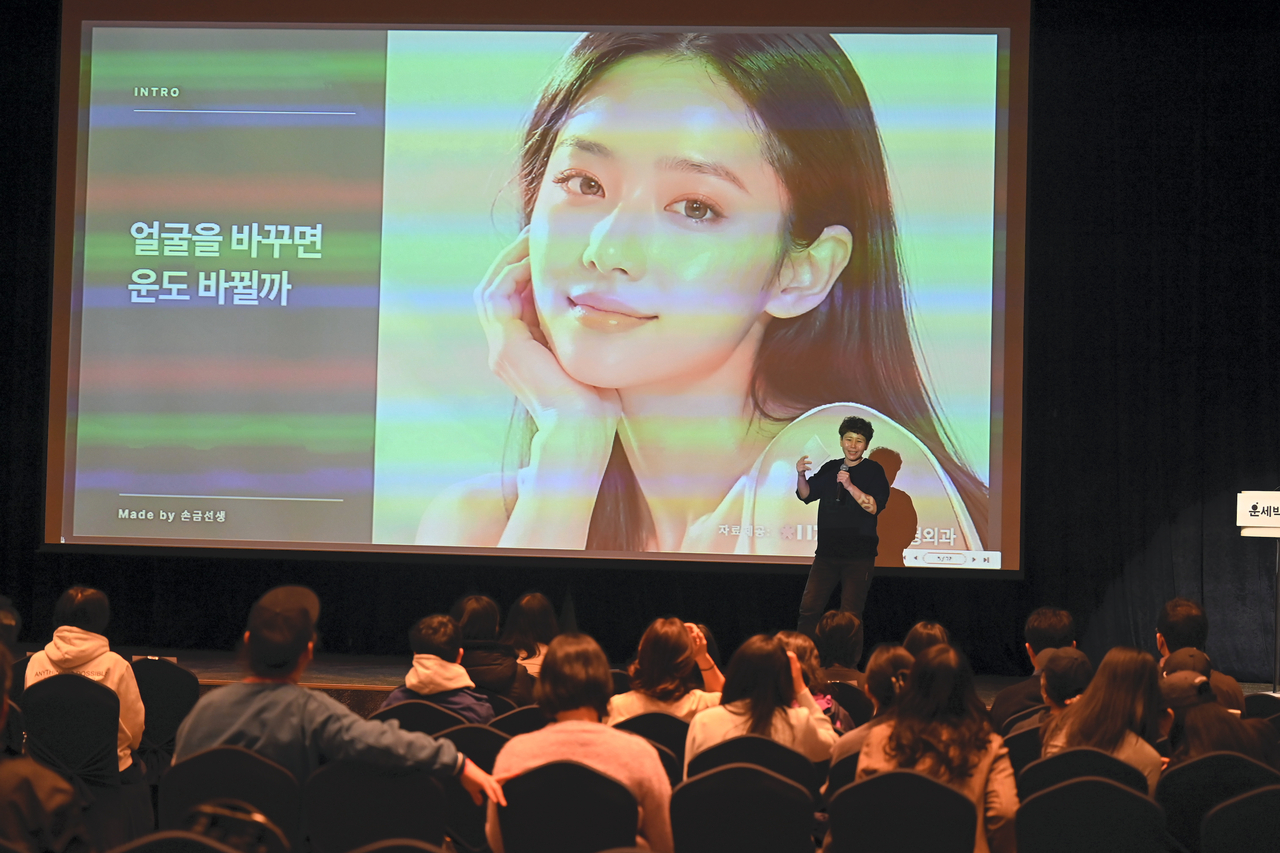
The exhibition also explored the intersection of fortune-telling and cosmetic surgery, with a lecture Thursday examining whether changing one's face could change one's fortune.
Known as "gwansang seonghyeong," or physiognomy-based cosmetic surgery, the practice involves altering facial features believed to influence one's luck.
Kim Seon-ho, a physiognomy practitioner and student of the lecturer, said some plastic surgery clinics in Gangnam collaborate with face-reading practitioners. He believes the potential benefits lie more in boosting confidence than changing destiny, recalling a client who appeared more confident in business negotiations after undergoing cosmetic procedures.
"Conventional cosmetic surgery focuses on aesthetics and current beauty trends," Kim said. "This approach incorporates physiognomy, based on the belief that changing certain facial features could change one's fortune."
Tech meets tradition
Kim Ho-jin, a veteran saju practitioner who operates Saju Therapy, is working with his son, Kim Gi-han, to take traditional Korean fortune-telling into the digital age.
The elder Kim's journey into saju began after his business went bankrupt in his 40s. Struggling to understand why his company had failed, he consulted a fortune-teller who told him that his fate had been unfavorable for running a business.
Initially skeptical, Kim became curious enough to study saju. Ironically, after about a decade of study, he went on to establish a new business, Saju Therapy, offering consultations and teaching the practice to others. He is among the practitioners offering readings at the exhibition's VIP consultation booths.
His son, who studied law, was not always enthusiastic about his father's unconventional career path. But after studying saju himself, the younger Kim eventually joined his father in the business.
At this year's exhibition, Kim Gi-han, the son, introduced a cat-themed, AI-based saju service, combining his father's knowledge of traditional fortune-telling with new technology and a touch of whimsy.
The elder Kim expressed concerns about AI-generated fortune readings developed without sufficient knowledge of traditional saju principles, warning that consumers may struggle to distinguish the real thing from imitations.
"AI can answer all kinds of questions, but you can't necessarily trust those answers," he said, explaining that the pair are working to incorporate his own saju theories into their system.
tammy@heraldcorp.com



