

Long before Jongno-3-ga became a tourist destination, it was a community hub where gay men met and connected — a history some are determined to preserve
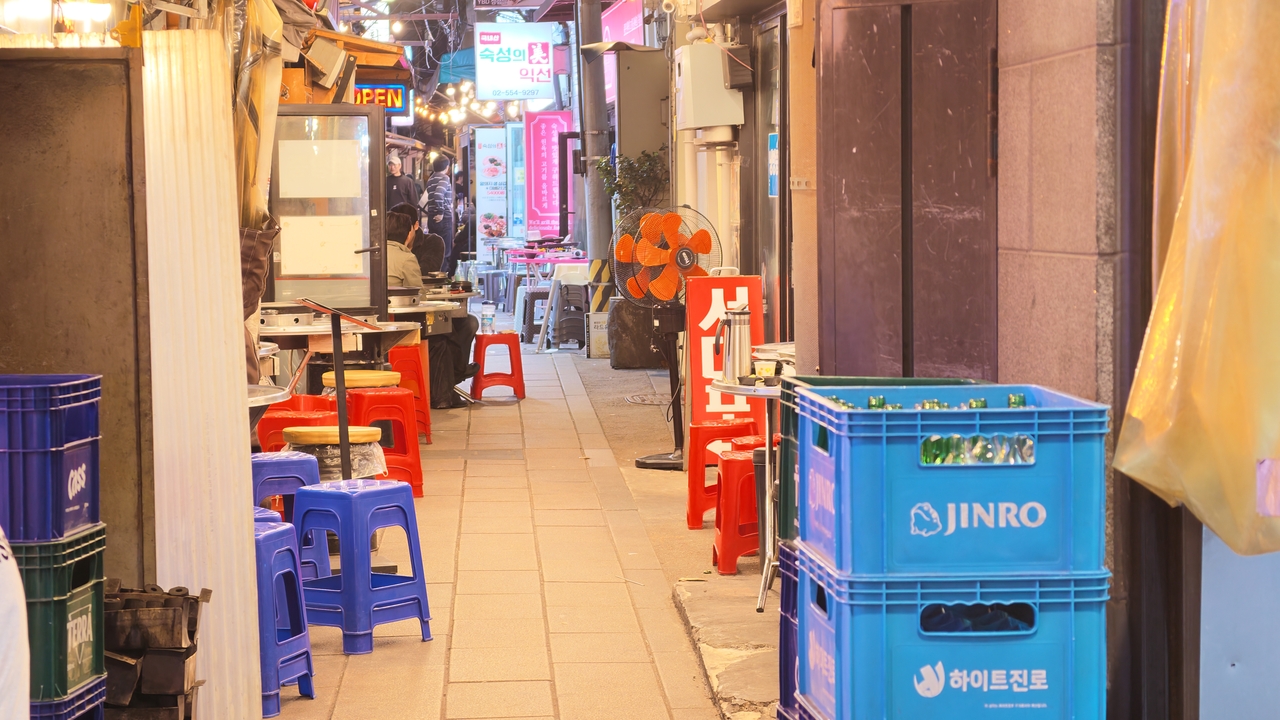
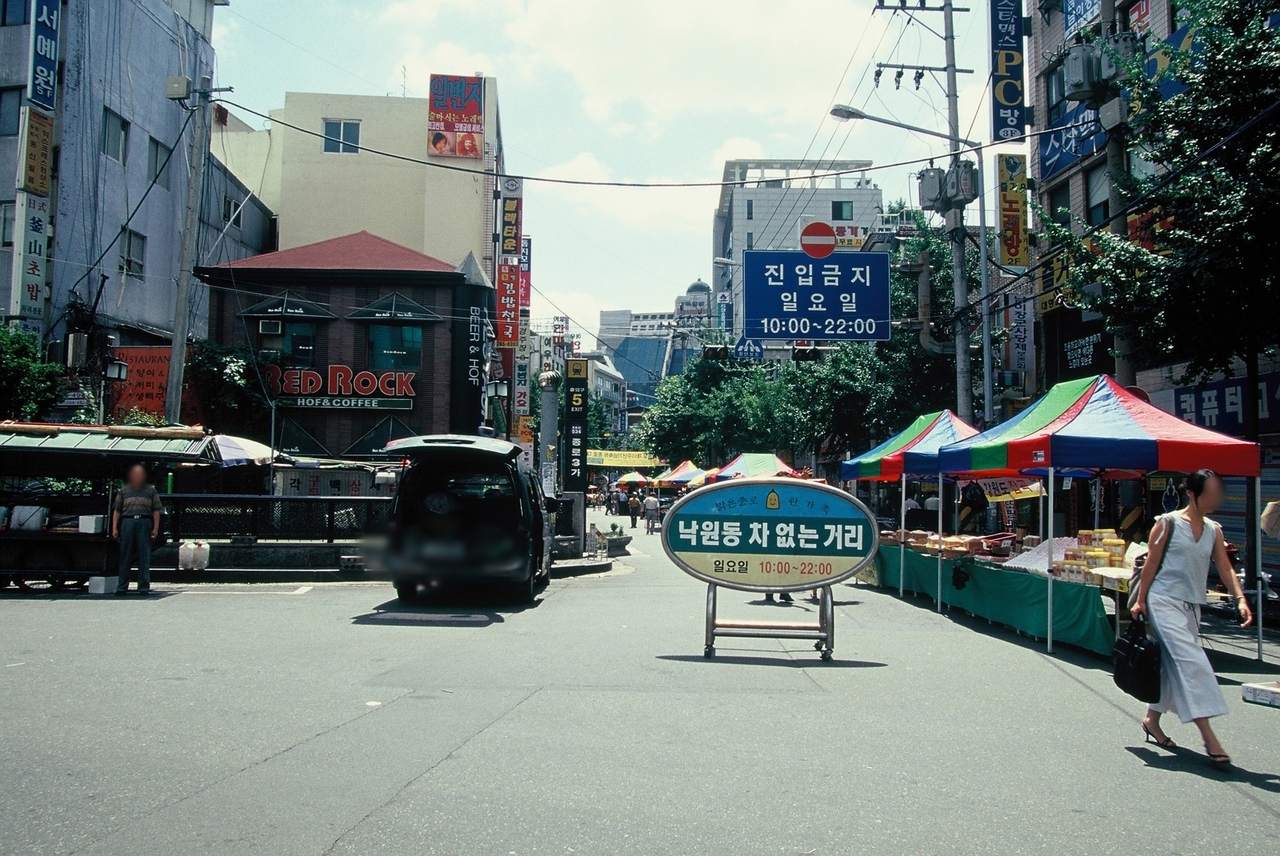
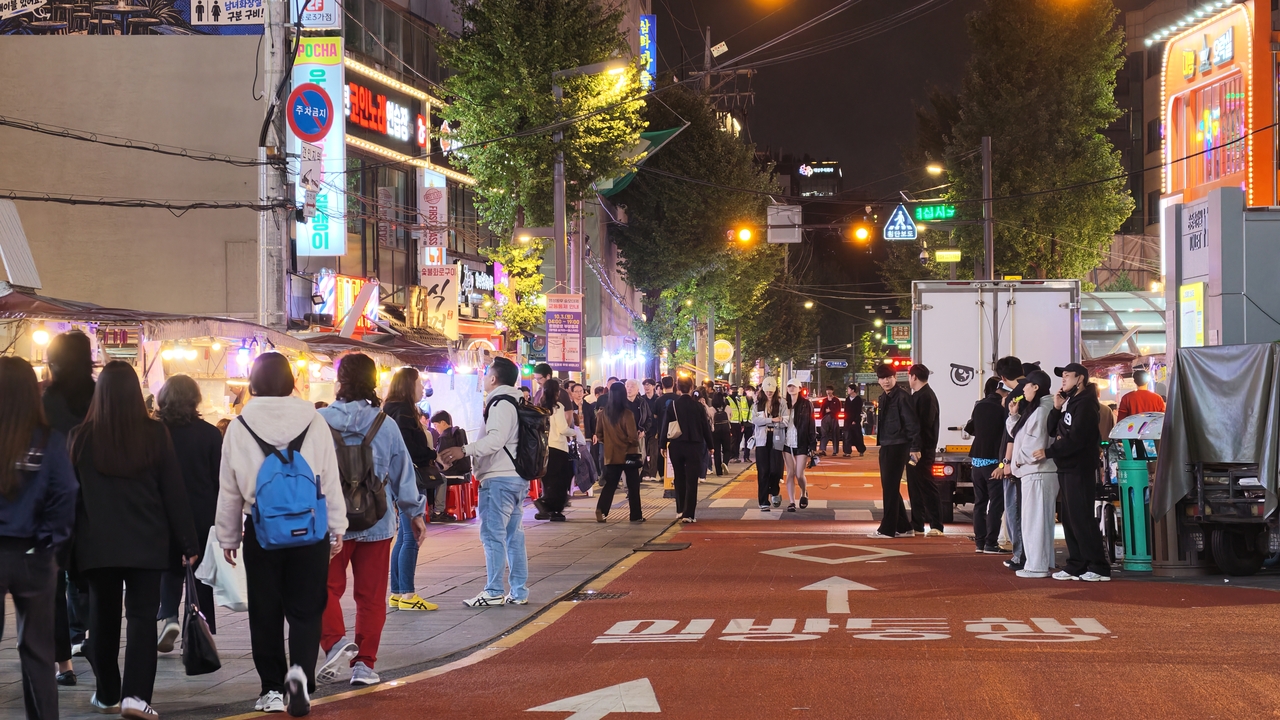
Outdoor food stalls spill into an alley in Jongno, Seoul, where locals and tourists grill meat and drink soju late into the evening.
Less than two meters away, the bars on the other side of the alley give off a different vibe: no outdoor seating, their doors firmly shut.
The bars aren't closed. They are gay bars.
For decades, the alley has served as a gathering place for gay men looking to meet new people, share drinks, and find a sense of community.
But the area of Jongno-3-ga has grown into an increasingly popular nightlife destination. The neighborhood is changing, and so are the conditions for the longtime communities.
"Many gay bars are located on the upper floors or underground. With so many people sitting at the outside floors, it has become inconvenient for gays to pass through the crowd and enter these bars," said Kim Hyun-goo, also known by his activist name Gooya.
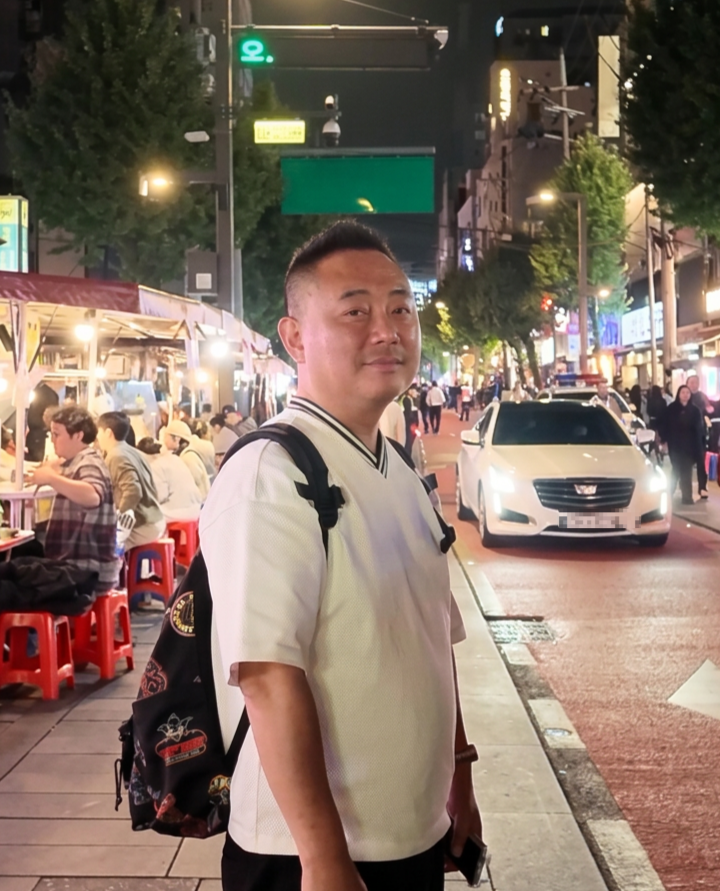
Kim is among South Korea's early queer rights activists and directs the Ivan Stop HIV/AIDS Project — Ivan is a Korean slang term for queer people. As part of the project, Kim visits newly established gay bars and popular gathering spots to provide condoms and educational guidance, which has enabled him to see the changes in the gay nightlife on the front line.
Since 2024, he has organized walking tours in Itaewon and since 2025, in Jongno to document the history of the city's queer communities that have been overlooked and forgotten by many people.
Walking around the neighborhood with The Korea Herald, Kim said Jongno had long been a safe space for gay men. Kim asked the reporter not to photograph the store signs or explicitly explain where the bars are located, as he did not want to disturb men enjoying their brief nights out.
Recalling his first visits to Jongno in the mid-1990s, Kim remembers the neighborhood as a place where meeting familiar faces was easy.
"There are small bars in Jongno where you can run into familiar faces without making plans," Kim said. "You get to know the owners and staff, too, and come and go as comfortably as if it were our own home. It is why Jongno remains a more comfortable and welcoming place for me to visit than other neighborhoods."
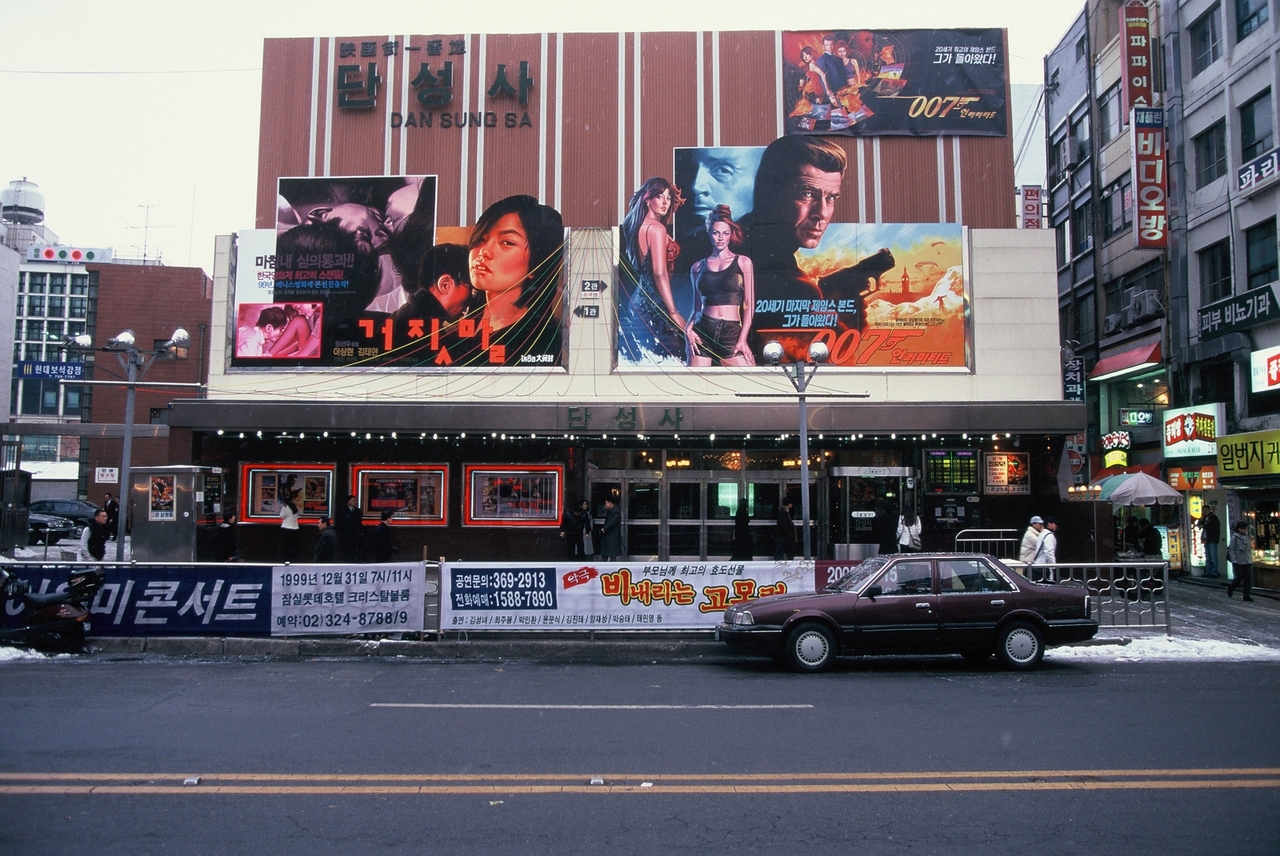
Centered around theaters and public baths from the early 1970s, Jongno became one of South Korea's longest-standing gathering regions for gay men. Its central location made it accessible, while inexpensive restaurants and drinking spots offered affordable places to spend an evening.
Back in the 90s and early 2000s, publications including Sunday Seoul and Weekly Kyunghyang often featured the spots in stigmatizing terms, but it was enough for men to check out the region out of curiosity and meet others with similar experiences at a time when online dating platforms were not yet available.
Over the following decades, more gay bars opened around the main streets near Exits 4 and 5 of Jongno 3-ga station. Men across generations, from their 20s to 70s, came for spontaneous get-togethers or friendly meetups.
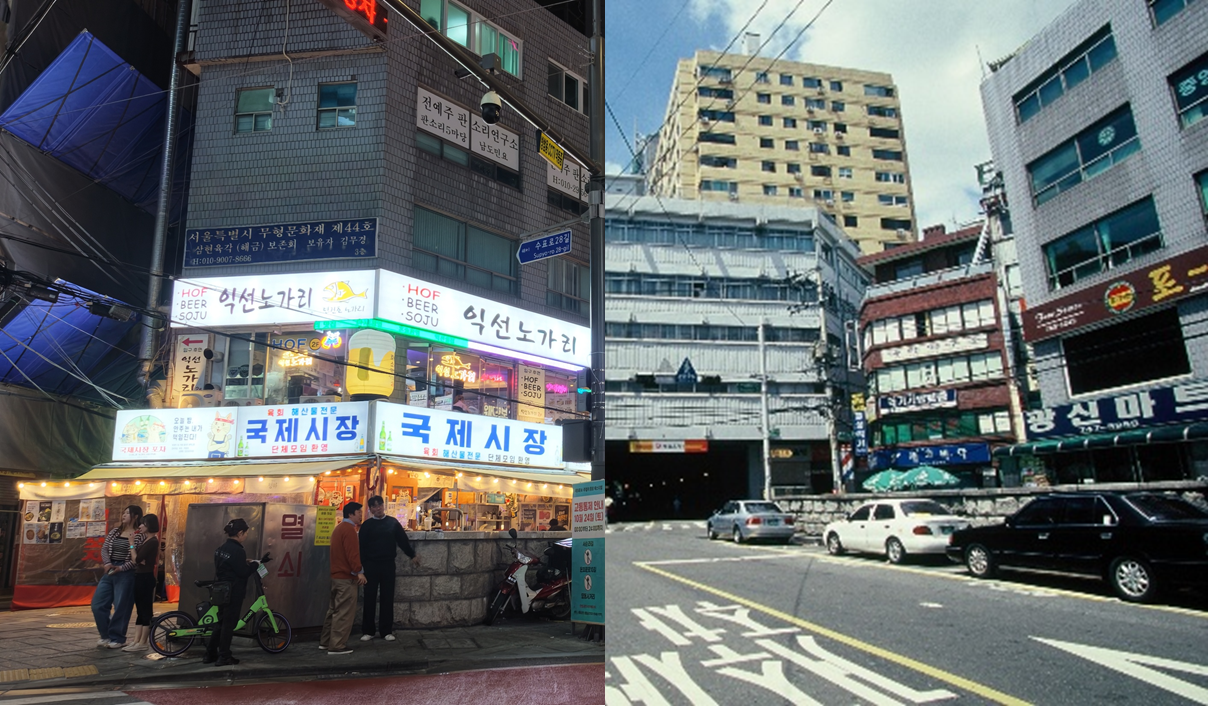
"This place used to be the Gwangsin Supermarket, where all gays gathered," Kim said, pointing to a restaurant right in front of Jongno 3-ga's Exit 5. "The main street here used to be filled with young gay men drinking at pojang macha," referring to the street-side tents and stalls serving food and alcohol. Now, it's a mixed crowd.
The atmosphere Kim remembers has gradually changed as Jongno has attracted a broader mix of visitors. In September, British magazine Time Out named Jongno the world's coolest neighborhood, and the population has only gotten denser recently.
For non-queer communities, the Jongno neighborhood features historic sites and unique vibes across the Nakwon Musical Instruments Arcade, Seosulla-gil and Ikseon-dong. With many restaurants, cafes and popular outdoor drinking spots, more and more visitors come seeking the neighborhood's retro atmosphere and lively nightlife.
"There was a time during the COVID-19 pandemic when gay bars did let females come in due to financial reasons," Kim said. "But now, it is very uncomfortable to have females wander in front of the gates and ask what kind of bar it is. It puts us in an awkward spot."
Unlike gay bars in Itaewon where female visitors can come in — albeit for an additional fee — bars near Jongno 3-ga station tend to be more cliquish.
Gay bars are not so different from other drinking establishments. Some have conventional tables, while others feature bar-height counters. They serve soju and cocktails, accompanied by an assortment of side dishes. The decor, however, can offer clues to the clientele: Beside the occasional rainbow banner, some bars display photographs of bare-chested men on their walls, while others play music videos featuring female K-pop idols.
“You know what this place is about, right?”
A staff member at a gay bar on the second floor of a building tucked into a narrow alley asked as we stepped inside. He did not turn us away, but his question suggested he wanted to make sure we understood the nature of the establishment — and that I was aware of how my presence as a woman might be received.
By 7 p.m. on a Wednesday, about half the tables were occupied, all by men.
The changing landscape is also visible in its buildings. Older theaters and establishments have disappeared or given way to newer commercial venues, while larger restaurants have become more prominent.
"These alleys used to be filled with shorter buildings, with gay bars on the ground floor or stew restaurants seniors often visited. Now, it's all motels," Kim said.
"This alley, too, used to be filled with local favorites — cheap and good. Now most of them are gone, replaced by big barbecue or seafood restaurants."
As the mix of businesses and new population has changed, some gay bars have moved farther into side streets, away from the main thoroughfares.
For gay men, relocations of gay bars are not a mere issue.
For men who want to keep their visits or sexual orientation private, the journey to a bar can itself become uncomfortable. Some must pass through crowded outdoor dining areas, where people may look at them or ask about the venues they are entering.
"More and more gay bars are encouraged to move out, deeper into the alleys," Kim said. "Some fear that some acquaintance might recognize them entering gay bars."
Historic venues, including Bada Cinema, Hwashin Theaters and the Pagoda Theater, are now gone.
These changes, however, don't necessarily mean fewer establishments or a shrinking of the local gay community. There are around 120 gay bars in the neighborhood, with new bars opening and new spots discovered through word of mouth, according to Kim.
"When one disappears, new ones open in vacant space nearby, just in places where other businesses might now come in," he said.
Even in the era of digital dating and online communities, physical communities remain essential for men seeking companionship and a sense of belonging.
For Kim, the familiarity is part of what continues to draw him back, but the familiar streets that once allowed gay men to gather and socialize are now crowded, making even a walk through the neighborhood less comfortable.
"It's not as fun anymore," Kim said.
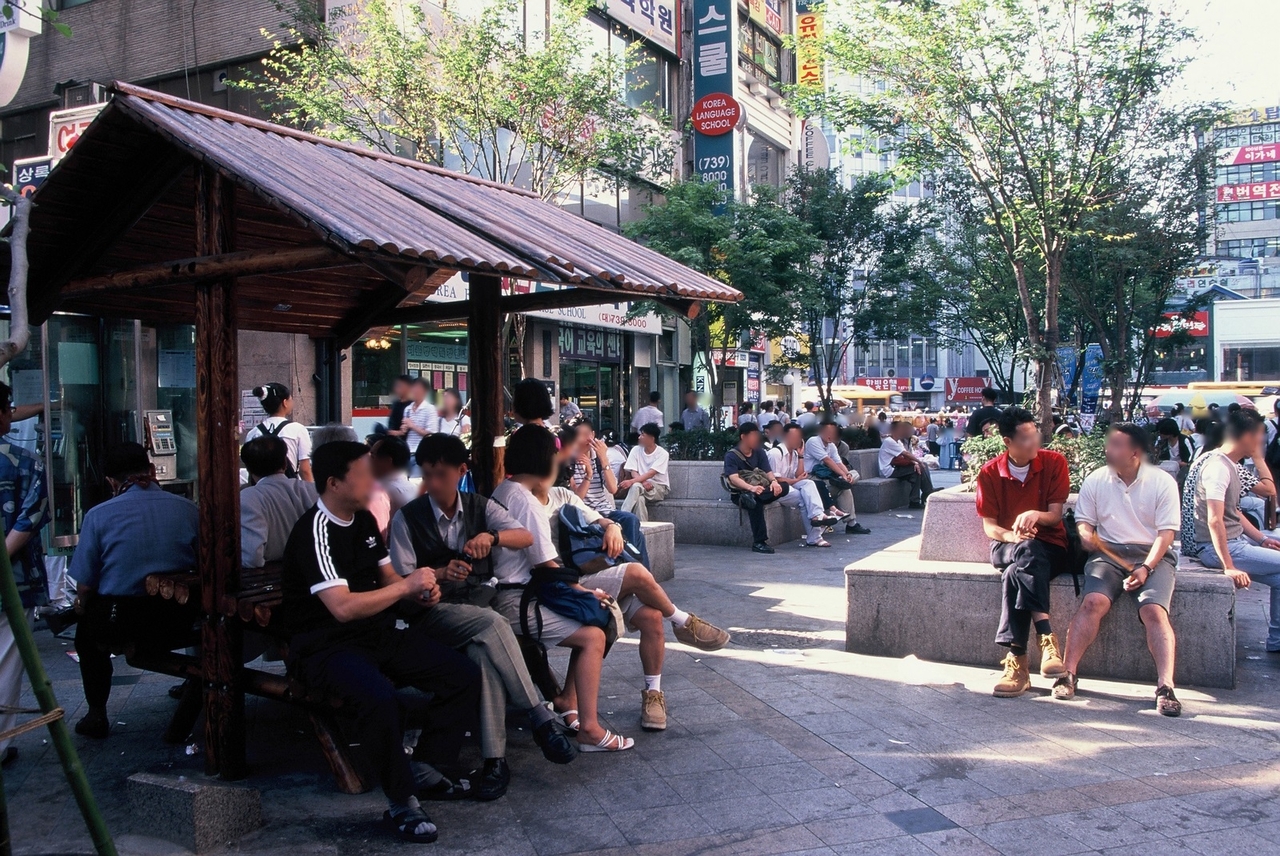
The establishments and the people in the photos are not directly related to the gay communities described in the article. Staff reporter Hwang Sun-jun contributed to this article. — Ed.
mjcha@heraldcorp.com


