By Ronan Thomas
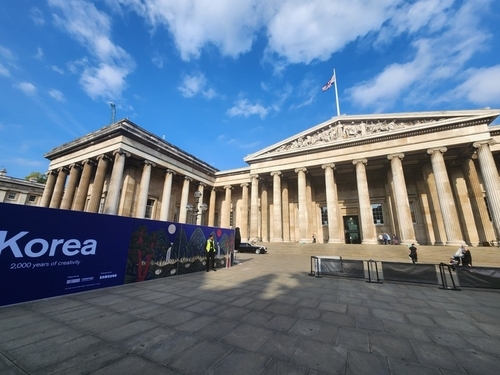
LONDON — South Korea’s cultural and artistic exports have never been more popular in Britain. Unlike its short-lived 1990s UK cultural soft power contemporary, "Cool Britannia," the so-called Hallyu remains vibrant and enduring here. These days, K-pop, South Korean films, electronics, gaming, mobile phones, cars, food and K-beauty are all embedded in the UK consumer marketplace, particularly amongst younger generations. A major new art exhibition "Korea: 2,000 years of creativity" now running at London’s British Museum, offers yet more evidence of a British fascination for all things Korean.
"Korea: 2,000 years of creativity" opened at the British Museum’s Bloomsbury site on Oct. 1 and is set to run to Jan. 31, 2027. The exhibition — displaying 185 Korean artifacts and original artworks from 300 BC to the present day — is the first dedicated Korean exhibition at the British Museum for over 40 years. Many of the exhibition’s objects and artworks have never been seen in the UK before. In 2000, the British Museum opened a Korea Foundation Gallery — with a wonderful reconstruction of a 19th-century sarangbang (scholar’s study) — but the last standalone Korean exhibition took place as far back as 1984.
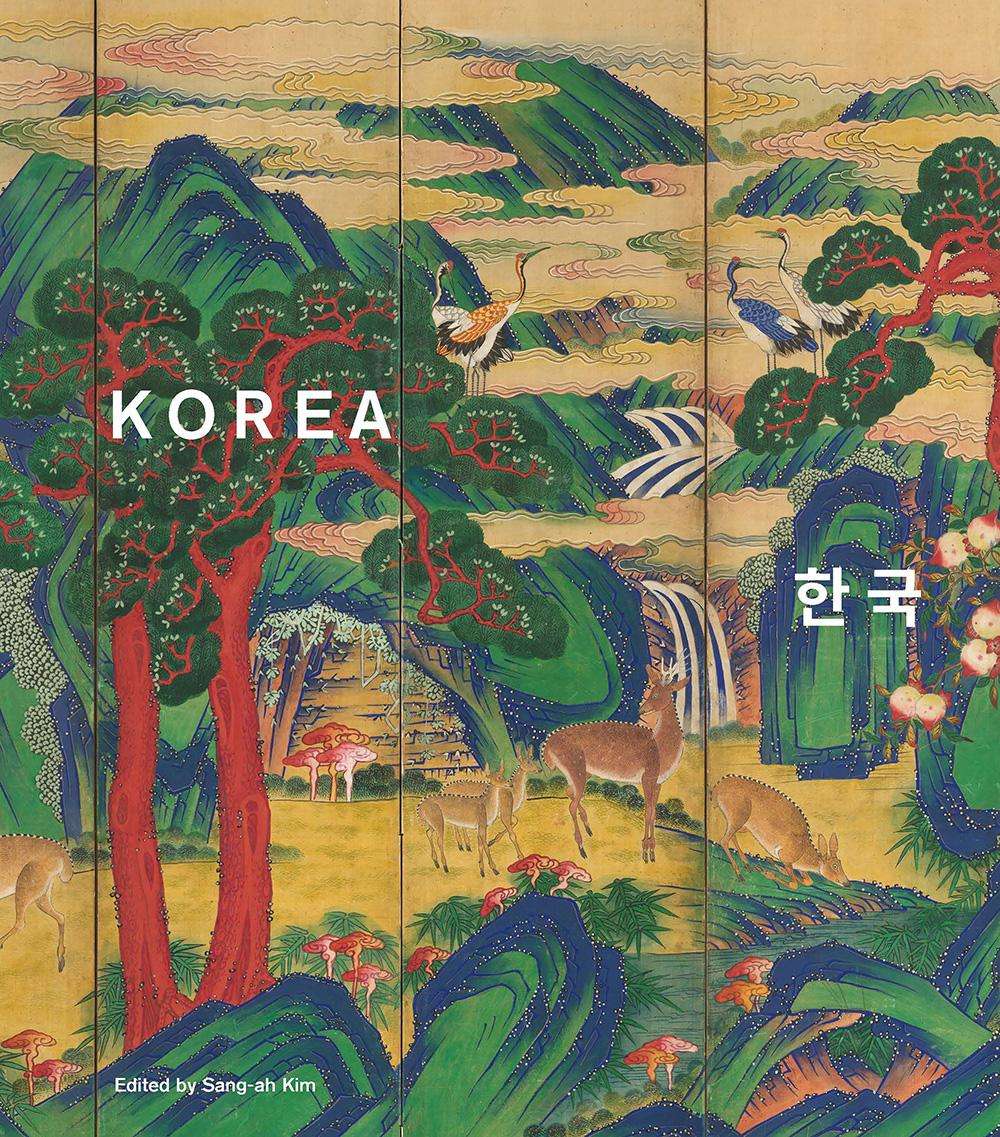
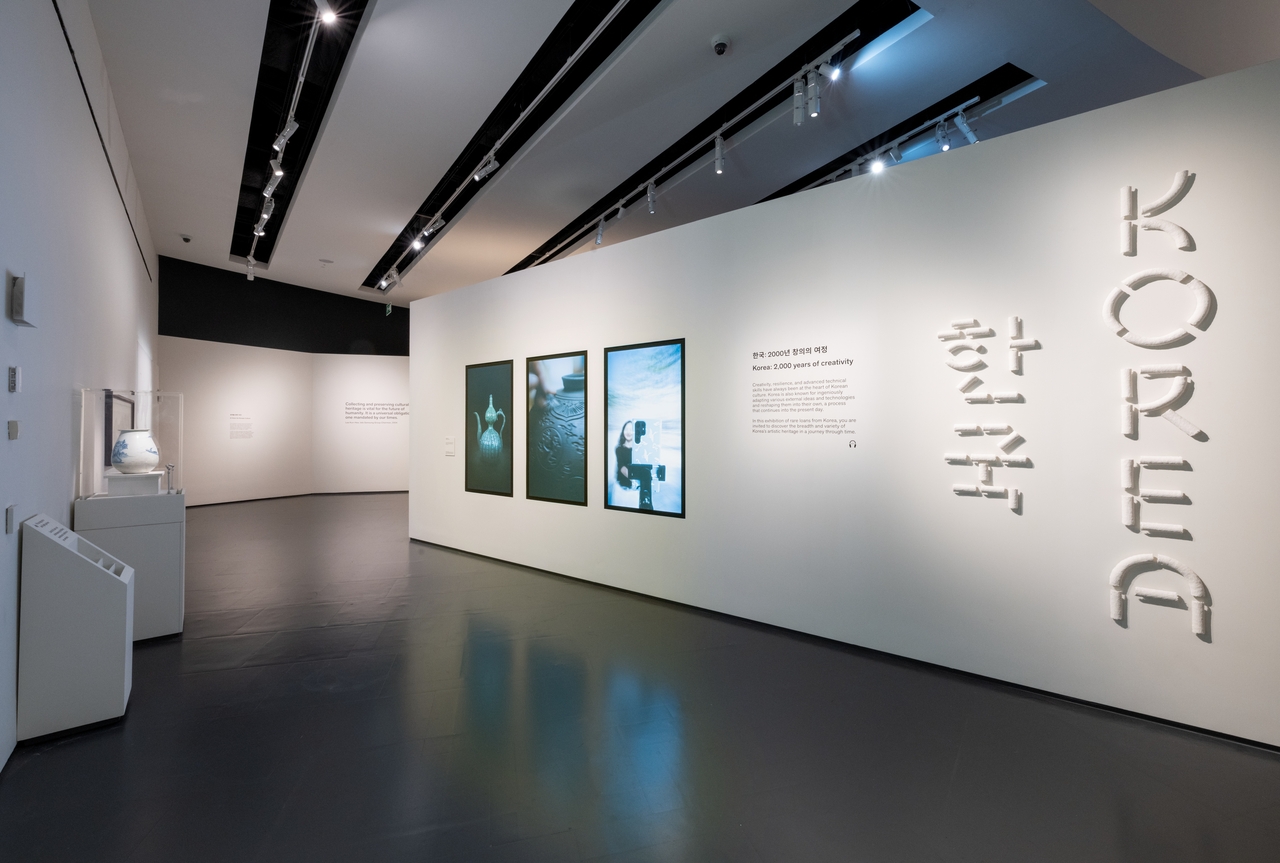
Korean showcase at the British Museum
The new exhibition draws extensively from the collection of late Samsung Chair Lee Kun-hee (1942-2020), a repository of over 23,000 works bequeathed by his family to South Korea in 2021. It is both a Samsung Electronics corporate partnership and a British Museum collaboration with the National Museum of Korea and the National Museum of Modern and Contemporary Art, Korea. The British Museum also provides artifacts from its own world-famous collections. The exhibition opened in South Korea in 2022 and travelled to the Smithsonian National Museum of Asian Art in Washington and the Art Institute of Chicago before reaching London.
"Korea: 2000 years of creativity" takes in a broad sweep of Korean history and aims to bridge past and present. It tells Korea’s story of adaptation and innovation, from prehistory, dynastic kingdoms, two centuries of isolation, 20th-century Japanese occupation (1905-1945), the Korean War (1950-1953), to rising global economic influence and effective "soft power" projection today. The exhibition gallery story begins around 300 BC, with Iron Age artifacts displayed from Korea’s Three Kingdoms Period (57 BC- AD 676), Unified Silla period (676-935), Balhae Kingdom (698-926) and Goryeo Kingdom (918-1392), during which Buddhism became the state religion. The gallery displays advance to the Neo-Confucian Joseon Kingdom (1392-1897), the Great Korean Empire (1897-1910), and up to the present day. The artifacts include Bronze Age weaponry, 5th century AD gilt burial shoes, a 6th century Shilla gold crown, jewellery and pottery, 6th and 7th century Buddhist sculpture and icons, a bronze 8th century monastery bell, 12th and 13th century Goryeo celadon stoneware ceramics and 12th century lacquerware. Representing the 18th and 19th centuries are Buncheong clay ceramics, white porcelain, the striking bronze "Sacred Bell of Great King Seongdeok (cast 1771)," calligraphy and porcelain writing tools. The exhibition finishes with 20th-century paintings, sculpture and contemporary experimental artworks.
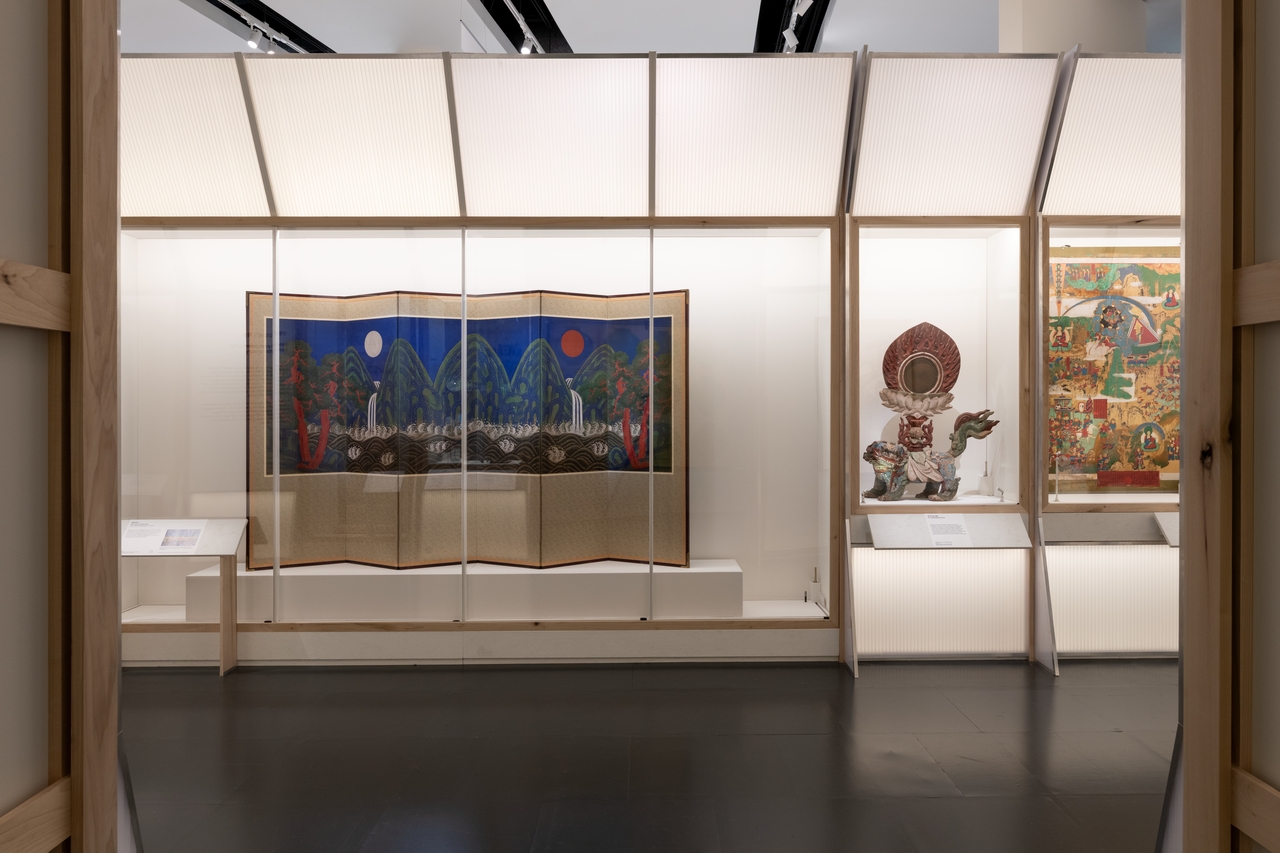
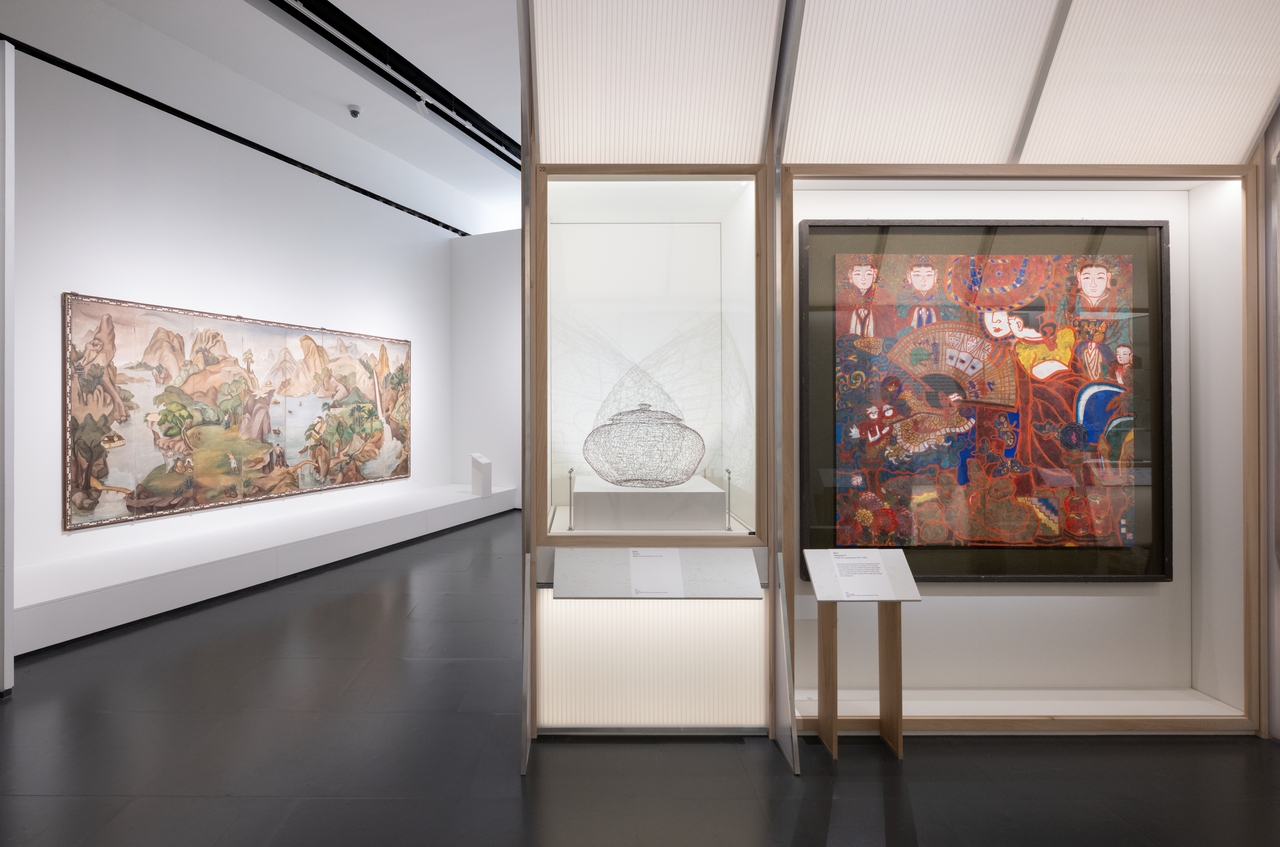
Fourteen of the artworks have South Korean National Treasure or Treasure status and are particularly rare. Of these, the landscape painting "Clearing After Rain on Mount Inwang" (1751) by Joseon-era artist Jeong Soon (1676-1759) and the 19th-century satirical people versus government "Tiger and Magpie" ink drawing stand out as particularly striking. Next to the former artwork, a large video display shows its tranquil, mountainous detail, accompanied by birdsong. The 19th-century "Chaekgado (Scholar’s accoutrements in a bookcase)," "Sun, Moon, and Five Peaks (Irworobongdo)" and "Ten Symbols of Longevity" (all ink panel folding screens created by Neo-Confucian court painters) are welcome additions and remain iconic in South Korea.
The current exhibition seeks to link today’s vibrant South Korean artistic and youth culture with a rich national heritage. It will appeal not only to British and international visitors across generations but also to the estimated 25,000 permanent South Korean residents today living in London, as well as the tens of thousands more South Korean students currently at UK universities in 2026. As evidence of the enduring contemporary resonance of traditional artworks with audiences in South Korea and beyond, K-Pop girl band Huntr/x performed and sang before a background of an Irworobongdo copy in the animated global hit film "KPop Demon Hunters." The British Museum exhibition’s official ambassador is also well-known South Korean actor Lee Byung-hun, currently promoting its opportunities for cultural exchange.
Today, Korea: 2,000 years of creativity at the British Museum proves that the Hallyu creative and artistic Korean Wave, appealing to audiences around the world, clearly has far deeper roots. Exhibition curator Kim Sang-ah from the British Museum’s Asia Department puts it into useful perspective: "Popular culture is an excellent doorway to a country's art, provided the doorway doesn't become the destination."
"Korea: 2000 years of creativity" at the British Museum, London, runs to Jan. 31, 2027.

Ronan Thomas writes on modern history and international relations. He can be reached at ronan_thomas@yahoo.co.uk. The views expressed here are the writer’s own.— Ed.
khnews@heraldcorp.com