
Policy generates W650.6b in annual social benefits, operators face trillions of won in losses
Free subway rides for people aged 65 and older in Korea generated an estimated 650.6 billion won ($492 million) in social benefits in 2025, as the growing senior population adds financial pressure on metro operators, a study released Thursday found.
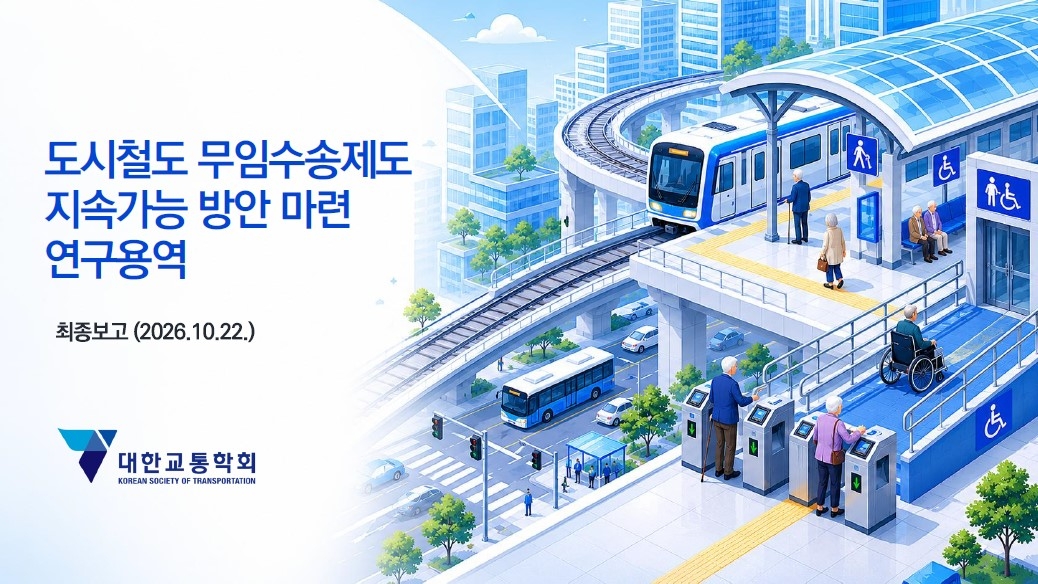
The Korean Society of Transportation conducted the study beginning in July at the joint request of six metro operators, including Seoul Metro.
The report estimated health benefits at 338.6 billion won, including suicide and depression prevention, fewer major illnesses and reduced need for long-term care. Transportation and environmental benefits totaled 229.3 billion won, while increased spending at local businesses contributed 82.7 billion won.
The report projected annual benefits would reach 898.3 billion won in 2035 and 1.06 trillion won in 2050.
“This clearly shows that free travel goes beyond fare exemptions, serving as a public investment that reduces national welfare spending and other costs,” a Seoul Metro official said.
Who pays for the free rides?
The report also examined policy alternatives and their financial implications, and called for government support to keep the scheme sustainable as Korea’s senior population grows.
When the policy took effect in 1984, people aged 65 and older numbered 1.67 million, or 4.1 percent of the population. By September 2026, that figure had risen to 11.31 million, or 22.1 percent, according to the Korean Statistical Information Service, expanding the pool of eligible passengers.
In Seoul, the cost of free rides falls on the operator. Seoul Metro said in June that it bore its free-travel losses entirely without central or local government compensation.
The report said the six operators’ combined net losses from their overall operations — not free travel alone — totaled 1.48 trillion won in 2025 and were projected to reach 1.91 trillion won in 2030 and 3.15 trillion won in 2050.
Public responses further highlighted calls for government funding. Among 2,000 adults surveyed nationwide, 73.6 percent said central or local governments should take primary financial responsibility, while just 9 percent chose operators.
The report cited France’s transport levy, Versement Mobilite, and local government funding as mechanisms for covering fare concessions. In the United Kingdom, local transport authorities compensate operators for revenue lost through free travel for seniors, it said.
Options for reform
The report proposed alternatives including the establishment of a consultative body led by the transport and welfare ministries to clarify responsibilities and develop cost calculations based on eligibility and ridership, alongside raising the eligibility age from 65 to 70.
Raising the age would delay the point at which accumulated losses wipe out operators’ equity by up to two years, depending on the operator. For Seoul Metro, it would postpone that point from 2033 to 2034.
However, the report concluded that an age increase alone would not resolve the financial problems. It called for fundamental changes to funding arrangements, including central government support, alongside reforms to the scheme to secure its long-term financial sustainability.
shwang9@heraldcorp.com